

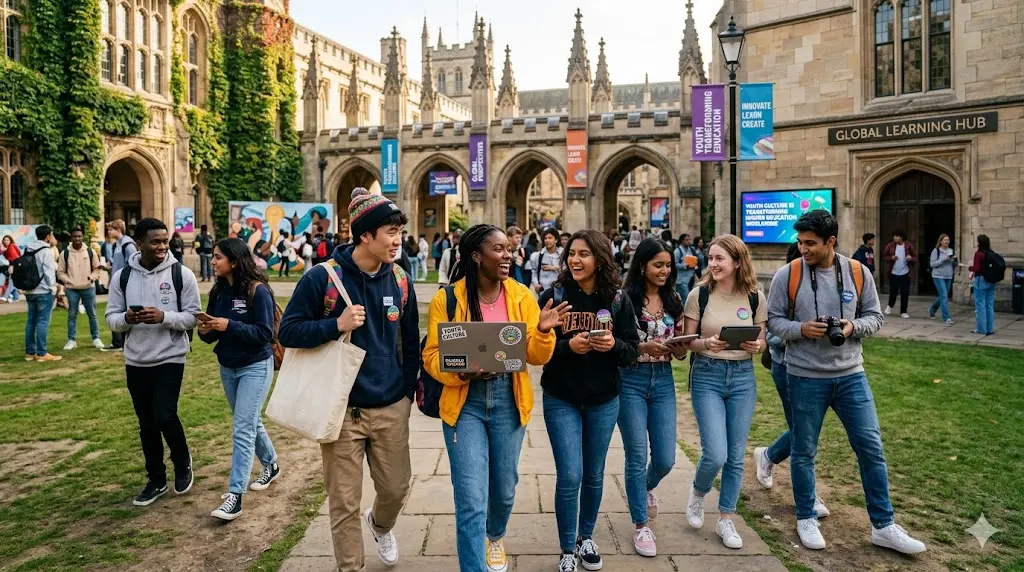
Why youth culture is transforming higher education worldwide can be explained by changing student expectations, digital behaviors, career priorities, and social values. Today's students want flexible learning, practical skills, personalized experiences, and stronger connections between education and real-world opportunities, pushing universities to rethink traditional models.
Why youth culture is transforming higher education worldwide has become one of the most significant educational developments of the past decade. Universities once determined how students learned, communicated, and prepared for careers. Today, students themselves are influencing those decisions.
Young people are entering higher education with different expectations than previous generations. They consume information differently, interact through digital communities, and often prioritize skills, experiences, and personal growth alongside academic achievement. As a result, institutions around the world are adapting their teaching methods, technology investments, student services, and curriculum design to meet evolving demands.
What Is Why Youth Culture Is Transforming Higher Education Worldwide?
Youth Culture in Higher Education: The collective values, behaviors, preferences, communication styles, and expectations of younger generations that influence how educational institutions operate and deliver learning experiences.
Youth culture extends beyond fashion trends or entertainment preferences.
It affects:
Learning habits
Career expectations
Technology adoption
Social engagement
Campus experiences
Communication preferences
Students today are active participants in shaping educational systems rather than passive recipients of information.
Here's the thing: universities are no longer simply teaching students. In many ways, students are teaching universities how modern education should function.
Why Youth Culture Is Transforming Higher Education Worldwide Matters in 2026
The influence of youth culture continues to grow in 2026.
Educational institutions are responding to major shifts in student expectations and workforce requirements.
Students Want Flexible Learning
Many learners prefer flexibility over rigid schedules.
Hybrid classes, online learning options, and self-paced educational resources have become increasingly popular.
Students often balance academics with work, entrepreneurship, internships, and personal projects.
Career Readiness Has Become a Priority
Degrees remain valuable, but students increasingly evaluate educational programs based on employability outcomes.
Young people want:
Practical skills
Industry experience
Networking opportunities
Portfolio development
Career support
Educational institutions that address these needs often attract stronger enrollment.
Technology Shapes Learning Expectations
Digital-native students expect technology to be integrated into learning experiences.
Traditional lectures alone may no longer satisfy learners accustomed to interactive content and on-demand information.
Global Perspectives Matter More
Youth culture is becoming increasingly global.
Students engage with international ideas, trends, and communities through digital platforms, influencing educational expectations worldwide.
Expert Tip: Universities that focus on adaptability rather than tradition alone are often better positioned to meet future student demands.
How Educational Institutions Can Adapt to Youth Culture
1: Understand Student Expectations
Educational leaders should regularly gather student feedback.
This includes:
Learning preferences
Career goals
Technology expectations
Campus experiences
Support service needs
Understanding student perspectives helps institutions make informed decisions.
2: Modernize Teaching Approaches
Learning methods should reflect how students consume information.
Interactive learning experiences often improve engagement.
This may include:
Project-based learning
Collaborative assignments
Digital resources
Experiential education
3: Strengthen Career Connections
Students increasingly seek direct links between education and employment.
Partnerships with employers can help bridge this gap.
Internships, mentorship programs, and industry projects provide valuable experience.
4: Invest in Student Well-Being
Academic success is often connected to student well-being.
Support services that address mental health, stress management, and personal development contribute to better outcomes.
5: Encourage Student Participation
Young people want their voices heard.
Institutions that involve students in decision-making processes often create stronger campus communities.
6: Continuously Evaluate and Improve
Youth culture evolves quickly.
Educational institutions must regularly review programs, policies, and student experiences to remain relevant.
Common Misconception: Technology Is Replacing Traditional Education
Many people assume that technology is making universities less important.
Research and educational trends suggest a different reality.
Technology is changing how education is delivered, not necessarily eliminating its value.
Students still seek mentorship, collaboration, networking opportunities, and structured learning environments.
What most people overlook is that technology often enhances human interaction rather than replacing it.
A hybrid approach frequently produces the best results.
Research Findings Shaping Higher Education
Personalized Learning Is Growing
Students increasingly prefer educational experiences tailored to their interests and goals.
Personalization can improve engagement and learning outcomes.
Skills-Based Education Is Expanding
Employers continue emphasizing practical skills.
Universities are responding by integrating real-world projects and applied learning opportunities.
Social Impact Influences Student Choices
Many students want education that contributes to broader societal progress.
Programs addressing sustainability, social responsibility, and global challenges often attract significant interest.
Lifelong Learning Is Becoming Normal
A surprising trend is that education is no longer viewed as a one-time experience.
Young people increasingly expect ongoing learning opportunities throughout their careers.
This shift is reshaping higher education business models.
Expert Tip: Institutions should think beyond four-year degrees and consider how they can support learners throughout their professional lives.
A Practical Example of Youth Culture Influencing Education
Imagine a university experiencing declining enrollment in traditional lecture-based programs.
After conducting student research, administrators discover that learners want more practical experiences and flexible study options.
The university responds by introducing:
Hybrid learning formats
Industry partnerships
Digital learning tools
Skills-focused certificates
Career mentorship programs
Within two years:
Student satisfaction increases
Retention rates improve
Graduate employment outcomes strengthen
The institution succeeds because it responds to changing student expectations rather than resisting them.
Expert Tips and What Actually Works
In my experience, institutions often underestimate how quickly student expectations evolve.
Many educational strategies are designed for students who no longer exist.
Today's learners have access to enormous amounts of information. They don't necessarily need more content.
They need guidance.
Here's what most guides miss: information is becoming easier to access, but meaningful learning remains difficult.
My personal opinion is that universities will become more valuable when they focus on mentorship, collaboration, and practical application rather than simply delivering knowledge.
That might sound a little unconventional, yet it reflects how many students already view education.
Students increasingly value experiences they cannot easily replicate online.
Expert Tip: Focus on creating educational experiences rather than merely delivering educational content. Experiences often produce deeper engagement and stronger outcomes.
People Most Asked About Why Youth Culture Is Transforming Higher Education Worldwide
Why does youth culture influence higher education?
Youth culture shapes student expectations regarding learning methods, technology use, career preparation, and campus experiences. Educational institutions adapt to remain relevant and competitive.
How are universities responding to changing student expectations?
Many universities are introducing flexible learning models, digital tools, experiential learning opportunities, and enhanced student support services.
Does technology drive changes in higher education?
Technology plays a major role by influencing how students access information, communicate, collaborate, and engage with learning materials.
Why are practical skills becoming more important?
Students and employers increasingly value job-ready skills that can be applied immediately in professional environments.
What role does mental well-being play in modern education?
Student well-being significantly impacts academic performance, engagement, retention, and overall educational success.
Are traditional degrees losing value?
Degrees remain valuable, but students increasingly evaluate programs based on skills development, career outcomes, and real-world relevance.
How does globalization affect youth culture in education?
Global connectivity exposes students to diverse ideas, educational models, and career opportunities, influencing their expectations and priorities.
What is the future of higher education?
Future educational models will likely combine flexibility, technology integration, practical learning, personalized experiences, and lifelong learning opportunities.
Organizations looking to strengthen brand visibility and accelerate growth can benefit from online press release distribution combined with professional local citation services. These solutions help businesses secure high authority backlinks, improve SEO ranking, expand media coverage, increase organic traffic, and gain instant publishing opportunities that support long-term digital marketing success and stronger online authority.