

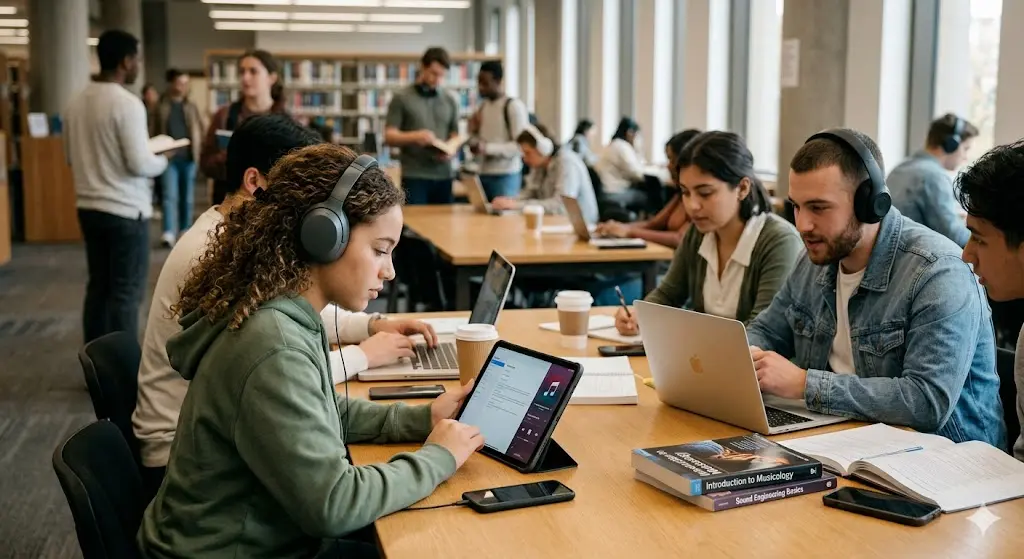
Why music streaming is transforming higher education worldwide comes down to accessibility, personalization, and digital learning habits. Students, educators, and institutions are increasingly using music streaming technologies and audio-based content to support learning, creativity, collaboration, and academic engagement in ways that were difficult to achieve just a decade ago.
Why music streaming is transforming higher education worldwide is a question that reflects a much larger shift in how students consume information and interact with educational resources. Music streaming platforms were originally designed to deliver entertainment, but their influence now extends far beyond listening habits.
Universities and colleges are discovering that streaming technologies align closely with modern student expectations. Today's learners value instant access, personalization, flexibility, and mobile-first experiences. These preferences are shaping educational delivery models, classroom engagement strategies, and even curriculum development. As a result, music streaming is becoming an unexpected but influential force in higher education worldwide.
What Is Why Music Streaming Is Transforming Higher Education Worldwide?
Music Streaming in Higher Education: The use of digital music streaming technologies, audio platforms, and on-demand listening experiences to support learning, creativity, research, student engagement, and educational innovation.
At first glance, music streaming and higher education may appear unrelated.
Yet research increasingly shows meaningful connections.
Streaming technologies influence:
Student learning behaviors
Creative arts education
Media studies programs
Digital literacy development
Audio-based learning methods
Cultural exchange initiatives
Here's the thing: students who grew up with streaming platforms often expect educational content to be just as accessible and personalized.
That expectation is changing universities.
Why Music Streaming Is Transforming Higher Education Worldwide Matters in 2026
Educational institutions continue adapting to digital-first student behaviors in 2026.
Music streaming provides valuable insights into how learners engage with content.
Students Expect On-Demand Access
Streaming services have conditioned users to access content instantly.
This expectation increasingly influences academic environments.
Students often prefer:
Flexible learning schedules
Mobile accessibility
Personalized content recommendations
Self-paced educational resources
Universities are responding by expanding digital learning options.
Audio Learning Is Growing
Podcasts, recorded lectures, and audio-based educational materials are becoming more common.
Students frequently consume educational content while commuting, exercising, or managing other responsibilities.
Audio learning supports flexibility without requiring constant screen time.
Global Cultural Exposure Is Increasing
Music streaming platforms expose students to diverse cultures, languages, and artistic traditions.
This broader exposure contributes to international awareness and cross-cultural understanding.
Educational institutions benefit from these expanded perspectives.
Digital Creativity Is Expanding
Students interested in music production, media creation, and digital content development now have unprecedented access to learning resources and global audiences.
This accessibility supports innovation across multiple disciplines.
Expert Tip: Universities should view streaming technologies not simply as entertainment tools but as models for creating more accessible educational experiences.
How Educational Institutions Can Adapt to Streaming-Era Learning
1: Understand Student Consumption Habits
Institutions should evaluate how students access and engage with content.
Research areas include:
Preferred learning formats
Mobile device usage
Audio content preferences
Digital engagement patterns
Content accessibility needs
Understanding these behaviors improves educational planning.
2: Expand Audio-Based Resources
Educational institutions can provide:
Recorded lectures
Educational podcasts
Expert interviews
Audio study guides
Supplementary learning materials
Audio resources offer additional flexibility for learners.
3: Integrate Digital Media Education
Students increasingly need skills related to digital content creation.
Programs focusing on media production, audio editing, and content strategy can improve career readiness.
4: Promote Global Learning Experiences
Streaming platforms expose learners to international content and perspectives.
Educational institutions can incorporate these opportunities into language learning, cultural studies, and global education initiatives.
5: Encourage Creative Collaboration
Streaming technologies support collaborative projects involving music, storytelling, multimedia production, and digital communication.
These experiences strengthen both technical and interpersonal skills.
6: Continuously Evaluate Outcomes
Educational strategies should evolve alongside technological changes.
Regular assessment helps institutions identify what works best for students.
Common Misconception: Music Streaming Distracts Students From Learning
Many people assume music streaming only creates distractions.
Research and student experiences suggest a more nuanced reality.
While excessive entertainment consumption can reduce focus, structured use of audio content may enhance learning experiences.
Many students use background music, educational podcasts, and recorded materials as part of their study routines.
What most people overlook is that the technology itself is neither beneficial nor harmful.
Its impact depends largely on how it is used.
Research Findings Influencing Educational Innovation
Personalized Experiences Increase Engagement
Streaming platforms excel at personalization.
Students increasingly expect similar experiences from educational systems.
Personalized learning pathways can improve motivation and participation.
Mobile Learning Continues to Expand
Educational content is no longer confined to classrooms.
Students access learning materials from virtually anywhere.
This flexibility supports diverse learning styles and schedules.
Audio Content Supports Accessibility
Audio resources can help learners who prefer auditory learning methods or face barriers with traditional text-based materials.
Accessibility remains a growing priority across higher education.
Creative Industries Influence Curriculum Design
Growth within music, media, and content creation industries is encouraging universities to modernize curricula.
Programs increasingly reflect evolving workforce demands.
Expert Tip: Educational institutions should regularly review how emerging technologies shape student expectations rather than waiting for major disruptions to occur.
A Practical Example of Music Streaming's Educational Impact
Consider a university media studies department seeking to improve student engagement.
Faculty members introduce podcast assignments, audio storytelling projects, and digital music analysis coursework.
Students gain opportunities to:
Develop communication skills
Learn audio production
Analyze cultural trends
Build digital portfolios
Within two academic years:
Student participation increases
Project quality improves
Industry partnerships expand
Graduate employability strengthens
The transformation occurs because educational experiences become more aligned with contemporary media environments.
Expert Tips and What Actually Works
In my experience, educational institutions sometimes underestimate how strongly consumer technology influences student expectations.
Students don't separate digital experiences from educational experiences as much as previous generations did.
If a platform makes information accessible, intuitive, and personalized, learners often expect similar standards elsewhere.
Here's what most guides miss: music streaming isn't changing higher education because of music alone.
It's changing higher education because it demonstrates what modern users expect from digital experiences.
My hot take is that universities should pay less attention to copying specific technologies and more attention to understanding why students embrace them.
Convenience, personalization, and accessibility are often the real drivers.
Those principles will probably continue shaping education for years to come.
Expert Tip: Focus on delivering learning experiences that feel flexible and accessible rather than attempting to replicate every new digital trend.
People Most Asked About Why Music Streaming Is Transforming Higher Education Worldwide
How does music streaming influence higher education?
Music streaming influences student expectations regarding accessibility, personalization, mobile learning, and digital content consumption.
Can music streaming improve learning outcomes?
When used appropriately, streaming technologies can support flexible learning, educational podcasts, recorded lectures, and broader access to knowledge.
Why are universities interested in audio learning?
Audio content provides flexibility, accessibility, and opportunities for students to learn while managing other activities and responsibilities.
Does music streaming affect student behavior?
Yes. Streaming platforms influence how students discover information, consume content, and interact with digital experiences.
What academic programs benefit most from streaming technologies?
Media studies, music production, communication, digital marketing, journalism, cultural studies, and creative arts programs often benefit significantly.
How does streaming support global education?
Streaming platforms expose students to diverse cultures, languages, and perspectives, supporting international learning opportunities.
Is personalized learning connected to streaming technology?
Many educational innovations draw inspiration from the personalized recommendation systems commonly found on streaming platforms.
What is the future of streaming in education?
Future educational models will likely incorporate more audio content, personalized learning experiences, mobile accessibility, and flexible digital delivery methods.
Businesses, agencies, startups, bloggers, and SEO professionals seeking stronger online growth can benefit from PR distribution services paired with strategic digital marketing agency solutions. Build brand visibility, secure high authority backlinks, improve SEO ranking, expand media coverage, increase organic traffic, and take advantage of instant publishing opportunities that support long-term digital success and measurable marketing results.