

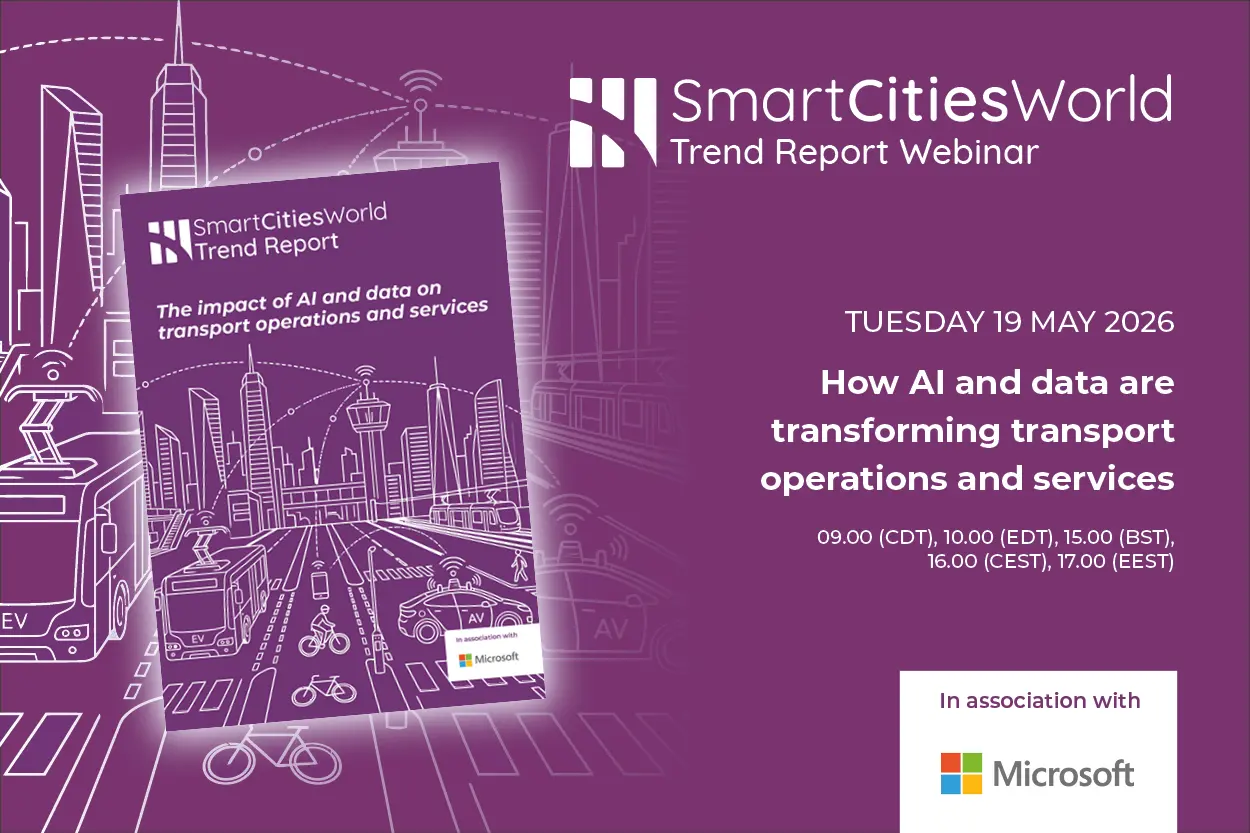
The rapid evolution of artificial intelligence is set to redefine how transport operations and services are delivered across cities worldwide. From intelligent traffic management to predictive maintenance and autonomous mobility, the potential is enormous. Yet, as experts from technology firms and municipal governments stress, the path to successful AI deployment is paved not with algorithms but with robust data foundations, workforce readiness, and responsible governance.
AI in Transport: The Data Imperative
According to Katherine Flesh, an industry expert at Microsoft, transport agencies are increasingly turning to AI to improve services and operational efficiency. However, the greatest opportunities will depend on how well agencies manage the data that drives these systems. Flesh emphasises that AI models are only as good as the data they ingest. Inconsistent, fragmented, or low-quality data can lead to flawed outcomes, eroding public trust and limiting the effectiveness of AI initiatives.
She points to three critical pillars: strong data foundations, a workforce prepared to work alongside intelligent systems, and responsible governance frameworks that ensure transparency and accountability. Without these, AI projects risk becoming costly experiments rather than transformative tools.
This sentiment echoes across the wider smart city landscape. As transport networks generate vast amounts of data from sensors, GPS, ticketing systems, and connected vehicles, cities must invest in the infrastructure to collect, clean, and integrate this information. Data interoperability is key, allowing different systems and agencies to share insights seamlessly.
Strategic Infrastructure Resilience
Beyond transport, the role of data and AI extends to building more resilient infrastructure. A panel discussion at the SmartCitiesWorld Summit 2026 focused on how cities can move towards a more strategic, risk-based approach to infrastructure resilience. Rather than reacting to failures after they occur, cities are now using predictive analytics and digital twins to anticipate vulnerabilities and prioritise investments.
Digital twins, in particular, offer a powerful means to simulate scenarios, test interventions, and optimise maintenance schedules. By creating a virtual replica of physical assets, from bridges to water systems, city officials can make data-driven decisions that reduce downtime and extend asset life. The same technology is being applied to transport hubs, enabling authorities to manage passenger flows, energy use, and maintenance in real time.
Digital Twins and AI in Urban Management
An on-demand panel discussion, “Operating Smarter: Using Digital Twins and AI to Reshape Urban Infrastructure Management,” delved into these topics. The conversation brought together city planners and technology experts to explore how digital twins are moving from experimental pilots to mainstream practice. They highlighted examples where AI-enhanced digital twins have improved traffic flow, reduced emissions, and enhanced public safety.
One of the key takeaways was the importance of aligning digital twin initiatives with clear policy objectives. Rather than adopting technology for its own sake, cities need to define the problems they want to solve. This requires close collaboration between technical teams, city departments, and community stakeholders.
Preparing for AI: The Case of Sunderland
The city of Sunderland offers a compelling example of how to prepare for AI by focusing on data groundwork. A dedicated webinar explored how Sunderland has built the necessary data infrastructure to support intelligent systems across public services. The city’s smart city programme is delivering measurable economic, social, and public-service benefits, with new research showing how long-term connectivity investment, civic leadership, and trusted partnerships are turning digital ambition into real impact.
Sunderland’s approach includes the development of a comprehensive digital infrastructure that supports everything from smart lighting to traffic management. The city has also invested in skills development, ensuring that its workforce can harness the power of AI. This holistic strategy is positioning Sunderland as a leading smart city, using digital infrastructure and low-carbon innovation to build a resilient, future-focused economy.
The latest SmartCitiesWorld City Profile on Sunderland details these achievements, highlighting how the city has leveraged public-private partnerships to accelerate its transformation. Key projects include the deployment of IoT sensors across the urban area, a city-wide data platform, and initiatives to promote sustainable transport.
Leadership and Climate Action in Glasgow
Leadership is another vital ingredient in the smart city equation. Susan Aitken, Leader of Glasgow City Council, has been a prominent figure in this regard. As she prepares to step down following nine years at the helm, Aitken reflected on how leadership, courage, and community have combined to make the city a global superpower of local climate action.
Under her stewardship, Glasgow launched ambitious projects to decarbonise its transport fleet, expand cycling and walking networks, and retrofit buildings for energy efficiency. Aitken stressed that meaningful change requires political will and a willingness to take risks. “We have to be bold,” she said, “because the climate crisis demands nothing less.” Her legacy includes a strengthened relationship between local government and citizens, which has been instrumental in driving the city’s green agenda.
Energy Systems and Local Authority Control
The transformation of urban energy systems is also central to the smart city vision. Another session at the SmartCitiesWorld Summit 2026 examined how energy systems can be shaped by local authorities through renewables, flexibility, storage, and smarter networks. Cities are increasingly taking control of their energy futures, setting up municipal energy companies, and investing in district heating systems powered by waste heat or renewable sources.
Data analytics is playing a crucial role in optimising these systems. Smart grids that use real-time data to balance supply and demand can integrate renewable energy more effectively, reduce peak pressures, and lower costs. Local authorities are also exploring demand-side flexibility, where users adjust their consumption to match supply, supported by smart meters and intelligent appliances.
Smart Lighting and Cybersecurity
Smart lighting is another area where cities are making tangible progress. The final episode of “Cities Thriving on Lighting” explored how global cities are approaching smart lighting and the related cybersecurity risks today. As streetlight networks become connected and interoperable, they also become potential entry points for cyberattacks. Protecting these critical systems is now a top priority for city IT departments.
The second episode of the same series examined the technology and considerations behind turning existing streetlight networks into secure, interoperable, and future-proof infrastructure. Cities are moving away from proprietary systems towards open standards that allow for multi-vendor solutions and easier upgrades. This approach not only reduces costs but also enables advanced features such as adaptive lighting based on pedestrian presence, environmental monitoring, and even electric vehicle charging.
By viewing streetlights as a backbone for smart city sensors, cities can avoid the expense and disruption of installing separate networks. However, this convergence also demands rigorous cybersecurity measures, including regular audits, encryption, and secure remote access protocols.
Dublin’s Digital and Sustainable Innovation
Dublin is another city that is innovating to improve experiences and services for its communities. The latest SmartCitiesWorld City Profile highlights digital twin projects, traffic reduction measures, and economic growth initiatives. Dublin has embraced smart mobility solutions, from real-time bus tracking to smart traffic signals that prioritise public transport. The city’s digital twin of its city centre is being used to model the impact of new developments and plan for a more pedestrian-friendly environment.
These efforts are contributing to Dublin’s reputation as a vibrant European hub for technology and sustainable development. The city is also focusing on social inclusion, ensuring that digital transformation benefits all communities and does not widen existing inequalities.
The Role of Events and Partnerships
Events and partnerships play a crucial role in accelerating the adoption of smart city technologies. Ecomondo, a major European trade fair for environmental sustainability, has discussed the priorities shaping healthier, more sustainable cities. According to its organisers, the SmartCitiesWorld Summit offers a valuable platform for sharing practical solutions and building new connections. By bringing together policymakers, industry leaders, and academics, such events facilitate the exchange of ideas and best practices that can help cities overcome common challenges.
The conversations happening at these gatherings underscore a broader trend: the shift from isolated projects to integrated strategies. Cities are realising that transport, energy, lighting, and data systems are deeply interconnected. A successful smart city strategy therefore requires breaking down silos and fostering collaboration across departments and sectors.
The on-demand webinars and panel discussions, such as the Trend Report Webinar on how AI and data are transforming transport operations, serve as a crucial resource for city officials who want to learn from early adopters. These sessions provide actionable insights and practical guidance, covering topics from data governance to public engagement.
For those unable to attend live events, newsletters remain a valuable tool for staying informed. Daily and weekly roundups of news, interviews, special reports, and guest opinions help professionals keep pace with the fast-moving smart city landscape. The editorial newsletter, in particular, curates the most relevant content, delivering it directly to subscribers’ inboxes.
As cities continue to navigate the complexities of digital transformation, one thing is clear: the integration of AI and data will define the next generation of urban services. The examples of Sunderland, Glasgow, Dublin, and others demonstrate that success is possible when technology is aligned with leadership, community engagement, and sound governance. The journey may be challenging, but the potential rewards are immense.
Source: Smart Cities World News