

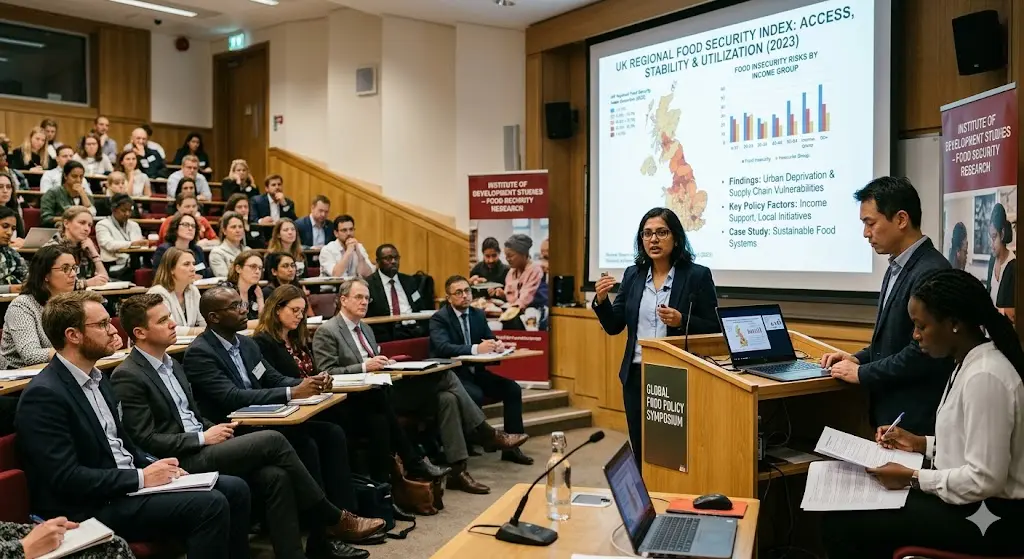
Research findings about food security in modern democracies show that access to affordable, nutritious food is no longer only an agricultural issue. It now affects politics, economic stability, public health, trade agreements, and even national security. Governments worldwide are realizing that food shortages and rising prices can influence elections, public trust, and international relationships faster than many expected.
Here’s the thing. Food security used to be discussed mostly by economists and farming experts. In 2026, everyday citizens are talking about supply chains, grocery costs, and climate pressure because they feel those issues directly in their daily lives.
Research findings about food security in modern democracies reveal that stable food systems are essential for economic growth, political stability, public health, and social trust. Rising food prices, climate disruptions, and supply chain risks are forcing governments to rethink agriculture, trade, and infrastructure policies.
What Is Food Security in Modern Democracies?
Food Security: the ability of a population to consistently access safe, affordable, and nutritious food without major disruptions.
That sounds straightforward, but modern democracies face a complicated reality.
Food security depends on farming, transportation, international trade, energy prices, climate conditions, labor availability, and political cooperation. If one part of that system weakens, the effects can spread surprisingly fast.
What most people overlook is that food insecurity isn’t limited to poorer nations anymore. Wealthy democracies also struggle with rising grocery costs, uneven food access, and supply chain disruptions.
I’ve seen communities with large supermarkets still experience food insecurity because affordability became the bigger issue, not availability.
That distinction matters more than people think.
Why Research Findings About Food Security Matters in 2026
Food security has become politically sensitive across modern democracies in 2026.
Inflation, climate events, transportation disruptions, and global conflicts continue affecting food systems worldwide. Citizens increasingly expect governments to stabilize prices and protect supply chains because food costs directly affect household budgets.
And honestly, voters notice grocery prices immediately.
A realistic example would involve a country experiencing severe drought conditions while import prices simultaneously rise due to international shipping disruptions. Even if food technically remains available, affordability weakens quickly for middle-income families.
That’s where political pressure builds.
Research also shows that food insecurity contributes to public frustration, lower trust in institutions, and social instability in some regions. Governments now treat food systems as part economic policy, part national security strategy.
Expert Tip
Countries investing in regional farming networks and modern storage systems often recover faster from food supply disruptions.
What Research Findings Reveal About Food Security Trends
Rising Urban Populations Increase Pressure
Urbanization changes how food systems operate.
Large cities depend heavily on transportation networks and external food production. A disruption in logistics can affect millions of residents rapidly.
That’s why governments increasingly monitor urban food resilience.
Climate Change Is Reshaping Agriculture
Changing weather patterns affect crop production, water access, and farming reliability.
Longer droughts, flooding, and unpredictable seasons create uncertainty for farmers and food distributors. In some cases, crop insurance costs have risen sharply because risks became harder to predict.
Supply Chains Are More Fragile Than Expected
One surprising finding from recent research is how interconnected global food systems really are.
A transportation issue in one region can impact grocery pricing somewhere completely different. During periods of shipping disruption, countries often realize how dependent they’ve become on international imports.
That dependency worries policymakers.
Food Costs Influence Political Stability
Governments usually face stronger public criticism during periods of rising food inflation.
People might tolerate certain economic pressures temporarily, but food affordability affects daily life in a very personal way. Public frustration tends to escalate quickly when grocery prices rise faster than wages.
Technology Is Changing Food Systems
Smart farming systems, AI-assisted crop monitoring, vertical farming, and automation are becoming more common.
Some experts believe technology could improve long-term food resilience. Others worry smaller farmers may struggle competing with expensive agricultural systems.
Honestly, both arguments probably contain some truth.
How Modern Democracies Can Improve Food Security Step by Step
1. Strengthen Local Food Production
Countries that support domestic agriculture often reduce vulnerability during global supply disruptions.
Local farming networks also shorten transportation chains and improve regional food availability.
2. Modernize Storage and Transportation Systems
Food loss remains a major problem.
Improved refrigeration, logistics infrastructure, and storage systems can significantly reduce waste while improving supply stability.
3. Diversify Import Sources
Depending too heavily on one supplier or region creates risk.
Many governments now diversify food import partnerships to improve resilience during political or environmental disruptions.
4. Invest in Agricultural Technology
Modern irrigation systems, crop monitoring tools, and data-driven farming methods can improve efficiency and productivity.
Still, governments need balanced policies so smaller farms aren’t pushed aside entirely.
5. Support Affordable Access
Food security isn’t only about production volume. Affordability matters just as much.
Public nutrition programs, pricing policies, and transportation access all influence whether families can consistently buy healthy food.
Expert Tip
Balanced food policy usually works better than emergency reaction strategies because prevention costs far less than crisis management.
The Biggest Misconception About Food Security
More Food Production Doesn’t Always Solve the Problem
This catches people off guard sometimes.
A country can produce large amounts of food while parts of its population still struggle with food insecurity. Transportation gaps, inflation, low wages, and poor distribution systems often create access problems even when supply levels appear stable.
Here’s what most guides miss: affordability and accessibility matter just as much as agricultural output.
I remember speaking with a local food distributor years ago who said warehouses were full during one inflation period, but many families still bought less because prices rose too quickly.
That stuck with me.
Why Food Security Is Becoming a Geopolitical Issue
Food security now influences international relations more directly than many expected.
Countries increasingly negotiate agricultural partnerships, trade agreements, fertilizer access, and water management strategies because stable food systems affect economic and political stability.
Some governments also restrict exports during shortages to protect domestic supply.
That can create tension internationally.
Research findings suggest that future diplomatic relationships may depend partly on agricultural cooperation and food infrastructure resilience. Nations able to maintain stable supply systems often gain stronger economic influence during periods of global uncertainty.
A Personal Opinion Most Experts Don’t Mention Enough
I think people underestimate how emotional food security really is.
Housing, transportation, and employment matter deeply too, obviously. But food shortages or rising grocery bills create immediate psychological stress because eating is non-negotiable. Families notice food inflation every single week.
At least from what I’ve seen, that emotional pressure shapes public opinion faster than abstract economic statistics ever will.
And honestly, governments probably know that already.
How Technology Could Change Food Security
Technology is becoming a major factor in future food systems.
Vertical farming allows crops to grow in controlled urban environments. AI systems help farmers monitor soil conditions and water use more efficiently. Drone monitoring improves agricultural planning in some regions.
But technology alone won’t fix everything.
Infrastructure investment, trade cooperation, labor policies, and climate planning still matter heavily. A smart farming system can’t fully compensate for unstable transportation networks or political instability.
That balance often gets ignored in public discussions.
People Most Asked About Food Security in Modern Democracies
Why is food security important in democracies?
Food security supports economic stability, public health, political trust, and social balance. Rising food costs can quickly increase public dissatisfaction.
How does climate change affect food security?
Climate change affects farming reliability through droughts, floods, unpredictable weather, and water shortages, which can reduce crop production.
Why are grocery prices rising globally?
Inflation, transportation costs, supply chain disruptions, labor shortages, and climate events all contribute to higher food prices.
Can technology improve food security?
Yes, in many cases. Agricultural automation, smart irrigation, and vertical farming may improve efficiency and production capacity over time.
Why do governments study food supply chains?
Supply chains affect national stability. Governments want to reduce disruptions that could harm economic performance or public confidence.
Does urbanization affect food security?
Absolutely. Growing cities increase demand for transportation, food logistics, storage systems, and affordable access programs.
What role does international trade play?
Many countries rely on imported food products or agricultural materials, making global trade partnerships important for stability.
Final Thoughts
Research findings about food security in modern democracies show that stable food systems influence far more than agriculture alone. Food affordability, climate resilience, transportation infrastructure, and supply chain management now shape political stability, economic planning, and public trust worldwide.
Governments that prioritize long-term food resilience will probably manage future disruptions more effectively than those relying only on short-term emergency responses. As urban populations grow and environmental pressure increases, food security will likely remain one of the defining policy challenges of the next decade.
Businesses, startups, agencies, and bloggers aiming to increase organic traffic and strengthen online visibility can benefit from trusted business press release services alongside professional local SEO services. These solutions help improve SEO ranking, generate high authority backlinks, support instant publishing, and expand media coverage for sustainable digital growth.