

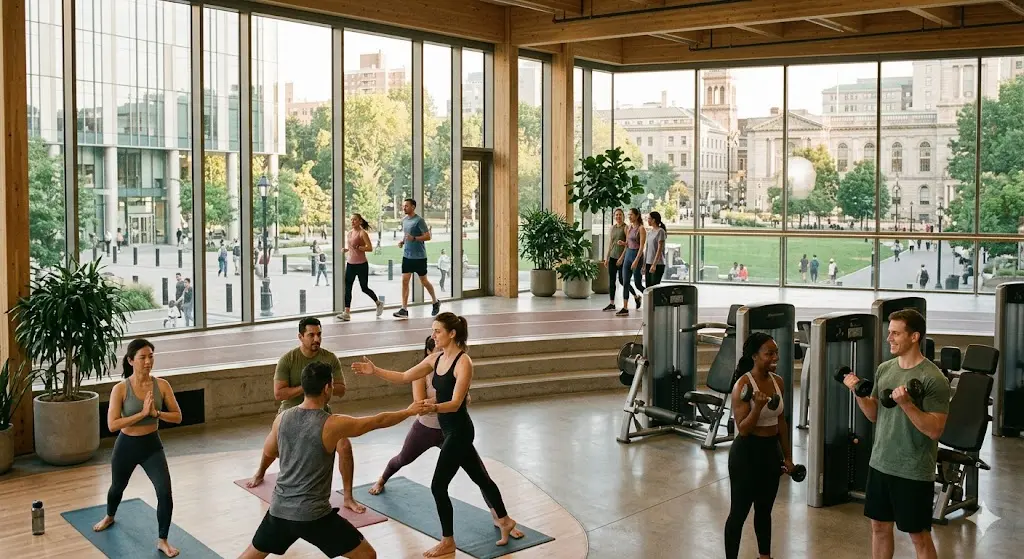
Research findings about fitness trends in modern democracies reveal something bigger than workout culture or gym memberships. Fitness is increasingly tied to politics, public health policy, economic inequality, technology adoption, and even social identity. Governments and researchers are now studying fitness behavior not just as a health issue, but as a reflection of how democratic societies function.
Here’s the thing. People don’t approach fitness the same way they did fifteen years ago. Modern democracies are seeing major changes in how citizens exercise, consume wellness content, use digital fitness tools, and interact with public health systems. Those shifts are reshaping industries, communities, and government strategies worldwide.
Research findings about fitness trends in modern democracies show that digital wellness, wearable technology, mental health awareness, and public fitness initiatives are changing how citizens approach health and exercise. Governments and businesses increasingly view fitness as both a public health priority and a social behavior trend.
What Is Research About Fitness Trends in Modern Democracies?
Fitness trends in democracies: evolving patterns in exercise, wellness, health technology, and public fitness culture shaped by social freedoms, public policy, media influence, and economic conditions.
That definition sounds academic. But honestly, the impact is very personal.
Fitness trends affect daily routines, healthcare costs, workplace productivity, mental health, and even political discussions around healthcare systems. What most people overlook is how fitness culture often reflects broader democratic values like individual freedom, accessibility, and public participation.
One country may focus heavily on public parks, cycling infrastructure, and community sports programs. Another may rely more on private gyms, digital subscriptions, and commercial wellness industries.
Same goal. Very different systems.
In my experience, modern fitness culture says a lot about what societies prioritize financially and politically.
Why Research Findings About Fitness Trends Matters in 2026
By 2026, fitness trends are expected to influence healthcare systems, urban planning, education policies, and digital economies more than many people realize.
Governments are paying attention because unhealthy populations create enormous economic pressure.
Healthcare costs linked to obesity, stress, sedentary lifestyles, and chronic disease continue rising worldwide. Fitness trends offer one possible response, especially in democratic countries where public participation and personal choice matter heavily.
A realistic example would involve a city investing in bike lanes, public recreation areas, and free outdoor fitness spaces. Over time, researchers might find reduced healthcare strain and stronger community engagement.
That’s not just fitness anymore. That becomes public policy.
Another major trend involves wearable technology.
Millions of people now track movement, sleep, calories, heart rate, and stress levels daily. Democratic societies generally allow broader consumer technology experimentation, which accelerates fitness innovation much faster.
But there’s a catch.
Data privacy concerns are growing too. Citizens increasingly question who owns health data collected by fitness apps and connected devices.
Expert Tip
Fitness policies work better when governments encourage participation rather than guilt-driven messaging. People usually respond more positively to accessibility than pressure.
How Fitness Trends Are Changing Modern Democracies Step by Step
1. Digital Fitness Platforms Are Expanding Rapidly
Home workout platforms, fitness apps, virtual trainers, and online wellness communities have become mainstream.
People no longer depend entirely on physical gyms. That shift gives citizens more flexibility but also changes how fitness businesses compete.
Honestly, convenience now drives fitness behavior almost as much as motivation itself.
2. Mental Wellness Is Becoming Part of Fitness Culture
What most guides miss is how mental health became deeply connected with exercise trends.
Meditation apps, recovery programs, low-stress workouts, and wellness-focused fitness plans are increasingly popular because people want emotional balance alongside physical improvement.
That’s changing how democratic societies discuss healthcare and productivity.
3. Governments Are Promoting Public Fitness More Aggressively
Many democratic governments now invest heavily in public wellness campaigns, cycling systems, outdoor exercise spaces, and community health initiatives.
Fitness isn’t viewed only as personal responsibility anymore. It’s becoming part of economic and social policy planning.
4. Economic Inequality Still Affects Fitness Access
This is one of the most uncomfortable realities researchers keep finding.
Higher-income populations generally have greater access to fitness resources, healthier food options, and wellness technology. Lower-income communities often face barriers involving time, cost, transportation, and safe exercise spaces.
Technology improves access in some ways while widening gaps in others.
5. Social Media Shapes Fitness Standards
Fitness culture today is heavily influenced by digital platforms.
That creates both motivation and pressure.
Some people discover healthier lifestyles through online communities. Others develop unrealistic expectations based on heavily edited fitness content. Democratic societies continue debating how platforms influence mental health and body image.
Expert Tip
Fitness businesses and public health programs should prioritize realistic wellness messaging instead of extreme transformation culture. Sustainable habits usually create better long-term participation.
The Biggest Misconception About Fitness Trends
More Technology Doesn’t Always Create Healthier Populations
This sounds backward, but it’s true in many cases.
People often assume more fitness apps and wearable devices automatically improve public health. Sometimes they help. Sometimes they simply create more data without changing actual behavior.
I’ve seen people track every calorie, every step, and every sleep cycle while still feeling constantly stressed and unhealthy.
That’s the strange part.
Technology can support wellness, but it probably can’t replace consistent habits, community support, and balanced lifestyles.
How Democracies Can Improve Public Fitness Culture
Governments and communities trying to improve fitness participation usually succeed when they focus on accessibility and sustainability rather than trends alone.
1. Expand Public Exercise Spaces
Parks, walking trails, bike paths, and recreation centers create low-cost access to physical activity for wider populations.
2. Improve Fitness Education Early
Schools play a huge role in long-term health behavior. Fitness education should focus on sustainable wellness rather than only competitive sports performance.
3. Support Digital Wellness Responsibly
Technology helps many people stay active, but governments should also address privacy concerns involving health data collection.
4. Encourage Community Participation
Local events, recreational leagues, and public wellness programs often create stronger engagement than expensive commercial campaigns.
5. Reduce Economic Barriers
Affordable access matters more than flashy marketing. People participate more consistently when fitness feels practical and accessible.
Why Fitness Trends Are Becoming Politically Important
This is where things get interesting.
Fitness trends increasingly influence political conversations around healthcare spending, workplace productivity, urban development, education systems, and digital regulation.
That wasn’t always the case.
A few decades ago, fitness culture mostly belonged to athletes, gyms, or niche wellness communities. Today it affects national healthcare budgets and public policy decisions.
Some democratic governments even use wellness initiatives to improve economic productivity and reduce long-term healthcare strain.
That connection between fitness and governance is growing stronger every year.
A Personal Hot Take on Modern Fitness Culture
I think modern democracies sometimes overcomplicate fitness.
At least from what I’ve seen, people often chase advanced routines, expensive gadgets, and extreme transformation programs while ignoring simple habits that actually improve health long term.
Walking regularly. Sleeping properly. Managing stress. Staying active consistently.
Those basics still matter more than most trends.
But honestly, basic habits aren’t very profitable for the fitness industry, so they don’t always receive the same attention online.
People Most Asked About Fitness Trends in Modern Democracies
Why are governments studying fitness trends?
Governments study fitness trends because public health directly affects healthcare costs, productivity, mental wellness, and long-term economic stability.
How does technology influence modern fitness culture?
Technology shapes fitness through wearable devices, workout apps, virtual coaching, health tracking systems, and online wellness communities.
Are fitness trends different in democratic countries?
Yes. Democratic societies often emphasize individual choice, public participation, wellness accessibility, and private-sector fitness innovation.
Why is mental health connected to fitness trends?
Modern fitness culture increasingly focuses on stress reduction, emotional wellness, recovery, and balanced lifestyles instead of only physical appearance.
Do fitness trends improve public health?
In many cases they help, especially when exercise becomes more accessible and sustainable for broader populations.
How does social media affect fitness behavior?
Social media can motivate healthier habits, but it may also create unrealistic body expectations and unhealthy comparison culture.
Will digital fitness continue growing?
Probably. Convenience, remote access, and personalized wellness experiences continue driving strong interest in digital fitness platforms.
Final Thoughts
Research findings about fitness trends in modern democracies show that wellness culture is no longer just about workouts or appearance. It now influences healthcare policy, digital innovation, economic planning, mental health discussions, and public behavior worldwide.
Countries and organizations that encourage accessible, balanced, and sustainable fitness participation will likely see stronger long-term social and economic outcomes. Others may struggle with rising healthcare pressures and widening wellness inequality as fitness culture continues evolving.
Businesses, agencies, bloggers, and startups looking to improve online growth can build stronger SEO ranking and organic traffic through trusted PR distribution services and reliable digital marketing company solutions. These platforms help generate high authority backlinks, increase brand visibility, support instant publishing, and expand media coverage for long-term online success.