

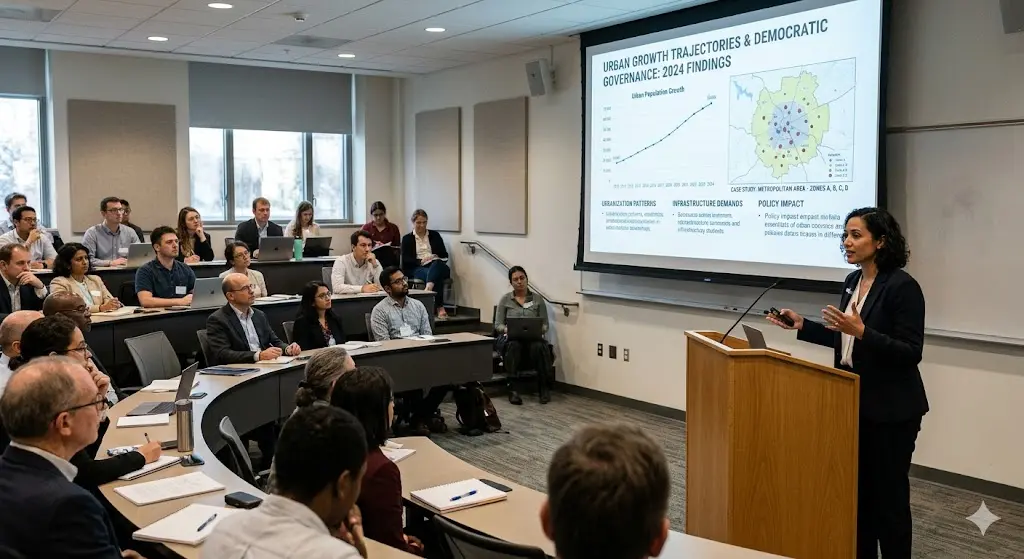
Research findings about urbanisation in modern democracies show that cities are no longer just population centers. They’ve become political, economic, cultural, and technological engines that shape how democratic societies function. From housing pressure and transportation systems to public trust and economic inequality, urbanisation is changing almost every aspect of modern life.
Here’s the thing. Urban growth creates opportunity, but it also exposes weaknesses in infrastructure, governance, and social systems. That’s why researchers, governments, and policy experts are paying much closer attention to urbanisation trends in 2026.
Research findings about urbanisation in modern democracies reveal that rapid city growth affects housing, transportation, employment, public services, economic inequality, and political participation. Governments increasingly view sustainable urban planning as essential for long-term democratic stability and economic growth.
What Is Urbanisation in Modern Democracies?
Urbanisation: the process where increasing numbers of people move from rural areas into cities and urban regions over time.
That definition sounds simple enough. But urbanisation affects far more than population density.
Modern democracies rely heavily on cities for economic activity, innovation, education, healthcare, transportation, and political influence. What most people overlook is that urbanisation also changes how citizens interact with governments and public institutions.
A large city operates differently than a smaller town. Citizens often depend more on public transportation, digital infrastructure, rental housing, and government-managed services. That creates different political priorities and social expectations.
In my experience, cities usually reveal both the strengths and weaknesses of democratic systems faster than rural areas do.
And honestly, the pressure keeps growing.
Why Research Findings About Urbanisation Matters in 2026
By 2026, urbanisation has become one of the biggest forces shaping democratic societies worldwide.
Cities continue attracting workers, students, startups, investors, and technology companies because urban economies generate massive economic activity. But rapid growth also creates challenges involving affordability, congestion, pollution, and infrastructure strain.
A realistic example would involve a growing metropolitan region where housing demand rises faster than construction. Rent prices increase sharply, transportation systems become overcrowded, and public frustration starts influencing elections and policy debates.
That pattern is becoming pretty common.
Another important trend involves digital urban infrastructure.
Modern cities increasingly depend on connected technologies for transportation management, utilities, public safety, and communication systems. Democratic governments now treat urban technology planning as part of economic strategy and public administration.
But there’s a catch.
Fast urban growth can widen inequality if infrastructure development doesn’t keep pace with population changes.
Expert Tip
Cities that invest early in affordable housing and public transportation usually handle urban population growth more successfully over time.
How Urbanisation Is Reshaping Modern Democracies Step by Step
1. Cities Are Becoming Economic Power Centers
Most major economic growth now happens in urban areas.
Businesses, startups, universities, financial institutions, and technology firms often cluster inside large metropolitan regions because cities create access to talent and infrastructure.
That concentration strengthens city influence politically and economically.
2. Housing Affordability Is Becoming a Political Issue
Rapid urban growth increases demand for housing.
In many democratic countries, housing shortages have become major political concerns because middle-income families increasingly struggle with rent and property costs.
What most guides miss is how strongly housing pressure shapes public trust in government leadership.
3. Transportation Systems Are Under Pressure
Urban populations depend heavily on transportation infrastructure.
Traffic congestion, public transit reliability, fuel costs, and commuting times now influence economic productivity and quality of life in major cities.
Honestly, transportation planning often determines whether urban growth feels manageable or chaotic.
4. Digital Infrastructure Is Expanding Rapidly
Modern democracies increasingly rely on digital systems inside cities.
Smart traffic systems, public Wi-Fi, digital services, surveillance technology, and connected infrastructure are becoming standard in many urban regions.
That improves efficiency in some cases while raising privacy concerns in others.
5. Political Priorities Shift in Urban Societies
Urban populations often prioritize healthcare access, public transit, environmental policies, housing affordability, and economic equality more strongly than rural communities.
As cities grow politically influential, national policy discussions change too.
Expert Tip
Urban planning works best when governments balance economic growth with public accessibility instead of focusing only on commercial expansion.
The Biggest Misconception About Urbanisation
Bigger Cities Don’t Automatically Mean Better Living Standards
This surprises people sometimes.
Many assume larger cities naturally create better opportunities and quality of life. Sometimes they do. Sometimes they increase stress, inequality, housing pressure, and infrastructure overload.
I’ve seen rapidly growing cities attract huge investment while ordinary residents struggled with rising costs and worsening commute times.
That contradiction matters.
Urban growth without proper planning can reduce quality of life even while economies expand.
How Democracies Can Manage Urbanisation More Effectively
Governments handling urbanisation successfully usually focus on long-term planning instead of short-term political wins.
1. Expand Affordable Housing
Cities need sustainable housing development that supports middle-income and lower-income populations alongside luxury construction.
2. Improve Public Transportation
Reliable transit systems reduce congestion, improve productivity, and support environmental goals simultaneously.
3. Invest in Local Infrastructure
Roads, utilities, schools, healthcare facilities, and internet access must expand alongside population growth.
4. Encourage Regional Development
Not every opportunity should concentrate inside a few megacities. Supporting smaller urban centers helps reduce pressure on overcrowded regions.
5. Protect Public Spaces
Parks, recreation areas, and community facilities improve urban quality of life significantly.
People underestimate that part a lot.
Why Urbanisation Is Becoming Politically Sensitive
This is where things get interesting.
Urbanisation changes voting patterns, public policy demands, and economic priorities. Cities often become centers of political activism, social movements, and policy experimentation because large populations create stronger public visibility.
At the same time, rural communities sometimes feel economically or politically overlooked as urban influence grows.
That tension exists in many democracies now.
Researchers increasingly study how urbanisation affects democratic participation, trust in institutions, and social polarization because city growth shapes national conversations more than ever before.
A Personal Hot Take on Urban Growth
I think many governments still underestimate how emotionally exhausting poorly managed cities can become.
At least from what I’ve seen, people can tolerate crowded environments if transportation works, housing feels attainable, and public services remain reliable. But when those systems fail simultaneously, frustration spreads quickly.
Honestly, urban stress probably influences political behavior more than policymakers publicly admit.
That pressure builds slowly. Then suddenly everyone notices it at once.
People Most Asked About Urbanisation in Modern Democracies
Why is urbanisation increasing worldwide?
Cities offer greater access to jobs, education, healthcare, business opportunities, and infrastructure, attracting growing populations over time.
How does urbanisation affect democracy?
Urbanisation influences political priorities, public participation, housing policy, transportation planning, and economic inequality discussions.
Why are housing costs rising in cities?
Rapid population growth, limited housing supply, investment pressure, and infrastructure constraints often increase urban housing prices.
How does technology affect modern cities?
Technology improves transportation systems, communication networks, digital services, and urban management while also raising privacy and security concerns.
Can urbanisation increase inequality?
Yes. Economic growth inside cities sometimes benefits higher-income groups more quickly than lower-income communities.
Why do governments study urbanisation trends?
Governments study urbanisation because city growth affects economic planning, infrastructure investment, public services, and political stability.
Are smaller cities becoming more important?
Probably. Some governments now encourage regional development to reduce pressure on overcrowded metropolitan areas.
Final Thoughts
Research findings about urbanisation in modern democracies show that city growth is reshaping economies, politics, infrastructure systems, and public expectations worldwide. Urbanisation creates enormous opportunity, but it also increases pressure on housing, transportation, healthcare, and governance systems.
Countries that invest in balanced urban planning, affordable infrastructure, and sustainable growth strategies will likely manage future population changes more successfully. Others may struggle with rising inequality, congestion, and political frustration as urban populations continue expanding.
Businesses, startups, agencies, and bloggers looking to improve brand visibility and organic traffic can strengthen online growth through trusted global newswire services and professional link building services. These platforms support high authority backlinks, stronger SEO ranking, instant publishing, and wider media coverage for long-term digital success.