

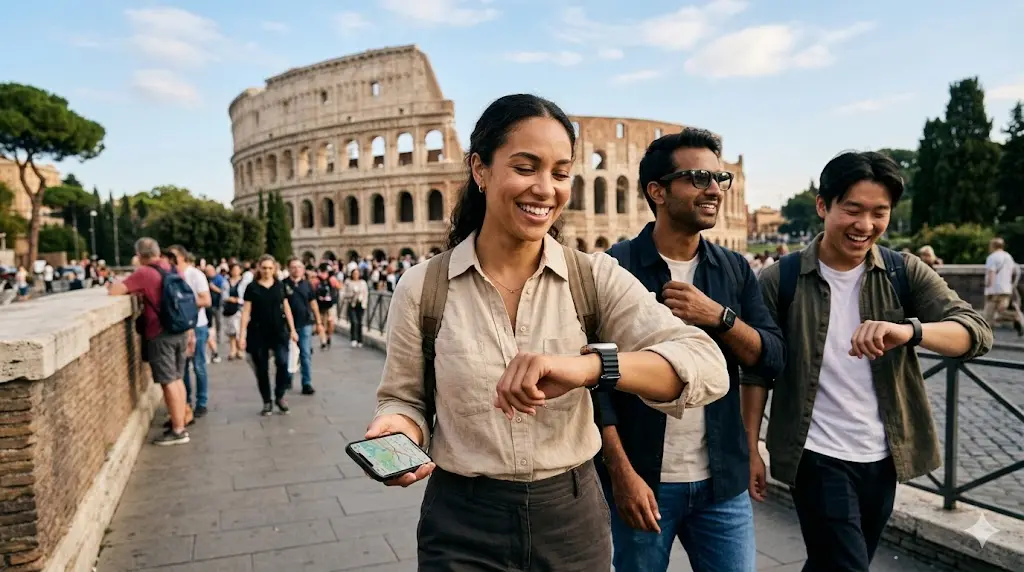
Global Tourism Trends Related to Wearable Technology are changing how people travel, explore destinations, access information, and interact with tourism services. Wearable devices now help travelers navigate unfamiliar places, improve safety, manage health, make payments, and enjoy personalized experiences throughout their journeys.
Global Tourism Trends Related to Wearable Technology are becoming increasingly influential as travelers seek faster, smarter, and more convenient experiences. From smartwatches and fitness trackers to connected travel accessories, wearable devices are moving beyond fitness and entering nearly every aspect of tourism.
Here's the thing: modern travelers don't want complicated processes. They want instant access to information and seamless experiences. Wearable technology helps bridge that gap by providing real-time updates, navigation support, health monitoring, and digital connectivity. As tourism continues evolving, these devices are becoming an important part of how people experience destinations around the world.
Wearable technology is transforming tourism through contactless payments, personalized experiences, real-time navigation, health monitoring, and smart destination services. Research suggests wearable devices will play an even larger role in global travel experiences through 2026 and beyond.
What Are Global Tourism Trends Related to Wearable Technology?
Wearable Technology: Electronic devices designed to be worn on the body that collect, process, and share information to improve convenience, communication, and user experiences.
Within tourism, wearable technology supports travelers before, during, and after their trips.
Examples include:
Smartwatches
Fitness trackers
Smart glasses
Wearable payment systems
Health monitoring devices
What most people overlook is that wearable technology isn't only about gadgets.
It's about reducing friction.
Travelers can access information more quickly, make purchases more easily, and stay connected without constantly relying on smartphones.
That convenience is driving adoption across the tourism industry.
Why Global Tourism Trends Related to Wearable Technology Matter in 2026
Wearable technology continues advancing rapidly.
Tourism businesses are adapting to changing traveler expectations and integrating wearable-friendly services into their operations.
Several trends explain why this topic matters in 2026.
Growing Demand for Convenience
Travelers increasingly prefer seamless experiences.
Wearable devices support quick access to boarding information, digital tickets, hotel services, and navigation tools.
Convenience often influences satisfaction.
Contactless Travel Experiences
Many tourism providers now offer contactless interactions.
Wearable devices make payments, check-ins, and service access faster and simpler.
Health and Wellness Focus
Health monitoring features have become increasingly valuable for travelers.
Many users track activity levels, sleep patterns, and wellness indicators while exploring destinations.
Personalized Tourism Services
Wearable data can help tourism providers offer more relevant recommendations and customized experiences.
Personalization remains a significant industry trend.
Expert Tip: Tourism businesses should focus on practical wearable integrations that solve traveler problems rather than adopting technology solely for promotional purposes.
How Wearable Technology Improves Travel Experiences
Understanding the process helps explain why wearable technology continues gaining importance.
1: Traveler Preparation
Before departure, wearable devices help travelers monitor schedules, receive notifications, and organize trip information.
This simplifies travel planning.
2: Airport and Transportation Access
Travelers use wearable devices to access digital tickets, receive boarding alerts, and navigate transportation systems.
This reduces reliance on paper documents.
3: Destination Navigation
Wearables provide directions, local information, and real-time updates.
Visitors can explore unfamiliar destinations more confidently.
4: Activity and Health Monitoring
Many travelers track fitness activities, walking distances, and wellness metrics during their trips.
This adds value to travel experiences.
5: Enhanced Service Experiences
Tourism businesses increasingly integrate wearable-compatible services that improve convenience and personalization.
Visitors benefit from smoother interactions.
Common Misconception: Wearable Technology Is Only for Tech Enthusiasts
A common assumption is that wearable devices primarily appeal to technology enthusiasts.
That view is becoming outdated.
Many travelers use wearable devices simply because they're practical.
Here's a counterintuitive point.
Some of the strongest wearable technology adoption rates come from travelers seeking simplicity rather than advanced features.
People often value quick access to information more than technological sophistication.
Ease of use frequently matters more than innovation itself.
Emerging Wearable Technology Trends in Tourism
Several developments continue shaping the future of tourism experiences.
Contactless Payments
Wearable payment systems are becoming more common across travel destinations.
Many travelers appreciate faster transactions.
Smart Destination Experiences
Tourism organizations increasingly integrate wearable-compatible services into attractions, transportation systems, and visitor centers.
This improves accessibility and convenience.
Health and Safety Monitoring
Wearables help users monitor health indicators during travel.
This may be especially valuable during physically demanding trips.
Connected Travel Ecosystems
Tourism providers are creating more connected experiences that allow wearable devices to interact with transportation, accommodation, and entertainment services.
Expert Tip: Focus on user experience rather than technology features. Travelers remember convenience and efficiency more than the specific devices they use.
Real-World Example: A Connected Traveler Journey
Imagine a traveler arriving in a major international destination.
Instead of managing multiple tickets, payment cards, and information sources, they use a wearable device throughout the journey.
Transportation updates arrive instantly.
Attractions provide personalized recommendations.
Payments occur seamlessly.
Health metrics help monitor activity levels during long sightseeing days.
The result is a smoother travel experience with fewer interruptions.
While hypothetical, similar experiences are becoming increasingly realistic as tourism systems evolve.
My Hot Take on Wearable Tourism Technology
In my experience, wearable technology succeeds when travelers barely notice it's there.
Many tourism organizations focus heavily on showcasing technology.
I think that's the wrong approach.
Here's what most discussions miss.
Travelers don't wake up hoping to use more technology during vacation.
They want fewer hassles.
If wearable technology quietly removes obstacles, it's doing its job.
The best tourism technology often becomes almost invisible.
What Actually Works?
Successful wearable technology initiatives focus on practical applications.
Navigation assistance.
Fast payments.
Real-time information.
Simple service access.
These functions create genuine value.
Another important lesson is integration.
Wearable devices become much more useful when transportation providers, tourism businesses, accommodations, and attractions work together.
Disconnected systems often create frustration rather than convenience.
At least from what I've seen, simplicity remains the biggest driver of traveler satisfaction.
Expert Tip: Evaluate wearable technology investments based on visitor outcomes such as convenience, satisfaction, and engagement rather than technology adoption statistics alone.
People Most Asked About Global Tourism Trends Related to Wearable Technology
What is wearable technology in tourism?
Wearable technology in tourism refers to devices such as smartwatches and fitness trackers that help travelers access information, navigate destinations, make payments, and monitor health during trips.
How does wearable technology improve travel experiences?
It provides convenient access to information, supports contactless interactions, improves navigation, and helps travelers stay connected throughout their journeys.
Are wearable devices becoming more common in tourism?
Yes. Many tourism providers are integrating wearable-compatible services as traveler demand for convenience and personalization continues growing.
Can wearable technology improve traveler safety?
Wearable devices may support safety by providing health monitoring, location services, emergency communication tools, and real-time updates.
What role do wearables play in smart tourism?
Wearables contribute to smart tourism by connecting travelers with transportation systems, attractions, accommodations, and destination services through digital platforms.
Do travelers prefer wearable technology over smartphones?
Most travelers use both. Wearables often complement smartphones by providing quicker access to important information and services.
Will wearable technology continue shaping tourism?
Current trends suggest wearable technology will remain an important part of tourism innovation, particularly as destinations expand smart tourism initiatives.
Final Thoughts
Global Tourism Trends Related to Wearable Technology demonstrate how connected devices are becoming part of everyday travel experiences. As travelers seek greater convenience, personalization, and efficiency, wearable technology provides practical solutions that enhance tourism services and destination interactions. Organizations that focus on creating seamless wearable-enabled experiences will likely remain competitive as tourism continues evolving in the coming years.
Businesses, agencies, startups, bloggers, and SEO professionals seeking stronger brand visibility can combine the reach of global newswire services with targeted business directory submission solutions to secure high authority backlinks, improve SEO ranking, increase organic traffic, expand media coverage, and benefit from instant publishing opportunities that help brands stand out in competitive markets.