

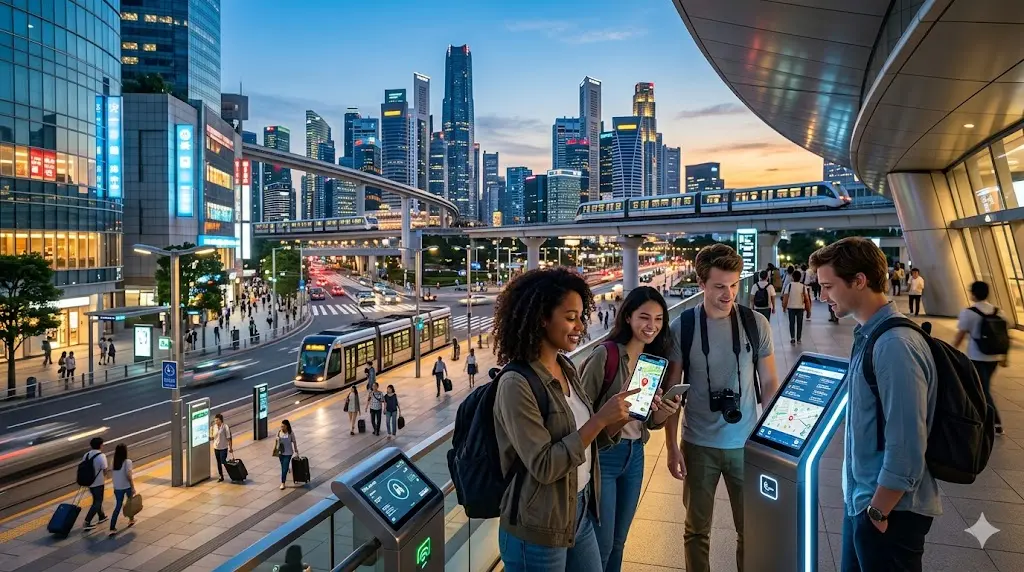
Global tourism trends related to smart cities are transforming how travelers experience destinations through connected technology, efficient transportation, data-driven services, and sustainable urban planning. Smart cities are helping tourism destinations improve visitor experiences while managing growth, reducing congestion, and supporting long-term sustainability.
Global Tourism Trends Related to Smart Cities have become a major topic among tourism planners, city leaders, and travel businesses. As urban populations grow and international travel continues expanding, cities face increasing pressure to provide better experiences for both residents and visitors.
Here's the thing: modern travelers expect convenience. They want real-time information, efficient transportation, seamless digital services, and personalized experiences. Smart city initiatives are helping destinations meet those expectations. From intelligent transportation systems to connected tourism platforms, cities around the world are using technology to improve how people explore, navigate, and enjoy urban destinations.
Smart cities are reshaping global tourism by integrating technology into transportation, visitor services, sustainability programs, and destination management. These innovations improve travel experiences, increase operational efficiency, and help cities remain competitive in a rapidly evolving tourism market.
What Are Global Tourism Trends Related to Smart Cities?
Definition Box
Smart City Tourism: The use of connected technologies, data systems, and digital infrastructure to improve tourism experiences, urban services, and destination management.
Smart cities combine technology with urban planning to improve daily life.
For tourism, this can include:
Smart transportation networks
Real-time travel information
Digital tourism services
Intelligent traffic management
Connected visitor experiences
What most people overlook is that smart city tourism isn't only about technology.
It's about solving practical problems.
Visitors spend less time dealing with transportation issues and more time enjoying destinations. Cities gain better tools for managing visitor flows and improving service quality.
That balance benefits everyone involved.
Why Global Tourism Trends Related to Smart Cities Matter in 2026
Smart city development continues accelerating in 2026.
Tourism destinations increasingly recognize that visitor expectations are changing.
Several factors explain why smart city tourism matters now more than ever.
Enhanced Visitor Experiences
Travelers expect quick access to information.
Smart city systems help visitors find attractions, transportation options, dining venues, and services more efficiently.
Convenience often influences destination satisfaction.
Better Crowd Management
Popular destinations frequently experience congestion.
Smart technologies allow cities to monitor visitor movements and distribute tourism activity more effectively.
This can improve both visitor experiences and resident quality of life.
Sustainable Tourism Growth
Smart cities often integrate sustainability initiatives with tourism planning.
Efficient transportation and resource management can support long-term tourism development.
Improved Safety and Accessibility
Connected infrastructure helps cities provide safer and more accessible experiences for diverse traveler groups.
Real-time updates can assist visitors in making informed decisions during their trips.
Expert Tip: The most successful smart tourism initiatives solve real visitor challenges rather than simply adding new technology. Simplicity often creates better travel experiences than complexity.
How Smart Cities Improve Tourism Experiences
Understanding the process helps explain why smart city development is becoming so important.
1: Collect and Analyze Data
Cities gather information about transportation usage, visitor patterns, and service demand.
This data helps decision-makers identify opportunities for improvement.
2: Improve Transportation Systems
Efficient mobility remains a top priority.
Cities invest in:
Smart transit networks
Real-time route information
Connected mobility services
Traffic management systems
Integrated transportation platforms
These improvements reduce travel friction.
3: Enhance Digital Visitor Services
Tourists increasingly rely on mobile devices for information and navigation.
Digital platforms provide easier access to local services and destination resources.
4: Optimize Tourism Infrastructure
Data-driven insights help cities allocate resources more effectively.
Popular attractions, transportation hubs, and public spaces benefit from improved planning.
5: Continuously Refine Services
Smart city systems allow ongoing performance monitoring.
Cities can adjust strategies based on visitor behavior and emerging trends.
This creates a cycle of continuous improvement.
Common Misconception: Smart Cities Are Only About Technology
Many people assume smart cities are simply collections of advanced technologies.
That's not really accurate.
Technology is only a tool.
The real goal is improving experiences for people.
Here's a counterintuitive point.
Some of the most effective smart city initiatives are barely noticeable to travelers.
Efficient traffic management, better public transportation coordination, and improved resource allocation often operate behind the scenes.
Visitors may never see the technology, but they experience the benefits.
Emerging Smart City Tourism Trends Worldwide
Several developments continue influencing tourism strategies across major destinations.
Real-Time Visitor Information
Cities increasingly provide live updates related to transportation, attractions, events, and services.
This helps travelers make better decisions throughout their journeys.
Contactless Tourism Services
Digital payments, mobile access systems, and automated service platforms continue gaining popularity.
Convenience remains a major driver of adoption.
Smart Mobility Solutions
Connected transportation networks help visitors move efficiently between attractions and accommodations.
Reduced travel time improves overall satisfaction.
Sustainable Urban Tourism
Many smart cities combine technology with environmental goals.
Resource-efficient systems support both tourism growth and sustainability objectives.
Expert Tip: Tourism organizations should focus on integrating services rather than creating isolated digital tools. Connected experiences often provide greater value for visitors.
Real-World Example: A Smart Tourism Transformation
Imagine a major urban destination facing increasing visitor numbers.
Traffic congestion creates frustration.
Tourists struggle to navigate transportation systems.
Popular attractions become overcrowded during peak periods.
City leaders introduce real-time transportation updates, visitor flow monitoring, and integrated tourism applications.
Within several years, visitors spend less time waiting and more time exploring.
Businesses benefit from improved visitor distribution.
Residents experience reduced congestion.
While hypothetical, this scenario reflects challenges and solutions being explored by many global destinations.
My Hot Take on Smart City Tourism
In my experience, the future of tourism isn't about creating more attractions.
It's about creating smoother experiences.
Cities often invest heavily in new landmarks while overlooking everyday visitor frustrations.
Here's what most discussions miss.
A traveler who can easily move through a city, access reliable information, and avoid unnecessary delays may leave with a better impression than someone who visits a spectacular attraction but struggles with logistics.
Experience quality often beats attraction quantity.
That's probably one of the biggest lessons emerging from smart city research.
What Actually Works?
Successful smart tourism initiatives share several characteristics.
They prioritize user needs.
They simplify travel experiences.
They integrate multiple services into cohesive systems.
Most importantly, they remain adaptable.
Traveler expectations change quickly.
Cities that continuously evaluate performance and respond to feedback often achieve stronger results.
Another factor that matters is collaboration.
Government agencies, tourism organizations, transportation providers, and local businesses need to work together.
Technology alone rarely solves complex tourism challenges.
Expert Tip: Measure success using visitor satisfaction and service efficiency metrics rather than focusing exclusively on technology adoption rates.
People Most Asked About Global Tourism Trends Related to Smart Cities
What is smart city tourism?
Smart city tourism involves using connected technologies and data systems to improve visitor experiences, transportation services, destination management, and urban sustainability.
How do smart cities benefit tourists?
Smart cities help travelers access information quickly, navigate destinations more easily, reduce travel delays, and enjoy more personalized experiences.
Why are smart cities important for tourism?
They support efficient destination management, improve visitor satisfaction, reduce congestion, and help cities accommodate growing tourism demand.
What technologies are commonly used in smart tourism?
Common technologies include mobile applications, real-time transportation systems, data analytics platforms, digital payment solutions, and connected infrastructure.
Do smart cities support sustainable tourism?
Yes. Many smart city initiatives focus on efficient resource management, sustainable transportation, and environmentally responsible urban development.
Can smart city technology improve safety?
Real-time communication systems, monitoring tools, and connected services can help cities provide safer experiences for visitors and residents.
Will smart cities continue influencing tourism?
Current trends suggest that smart city development will remain a major factor shaping tourism experiences, destination competitiveness, and urban travel planning.
Final Thoughts
Global Tourism Trends Related to Smart Cities demonstrate how technology, urban planning, and tourism development are becoming increasingly connected. As destinations seek to improve visitor experiences while managing growth responsibly, smart city strategies provide practical solutions for transportation, sustainability, and service delivery. Cities that successfully combine innovation with user-focused design will likely remain attractive destinations for international travelers throughout the coming years.
Businesses, agencies, startups, bloggers, and SEO professionals can strengthen brand visibility through online press release distribution while improving SEO ranking with professional local SEO services. Generate high authority backlinks, increase organic traffic, expand media coverage, and benefit from instant publishing opportunities that help brands grow faster and reach highly targeted audiences.