

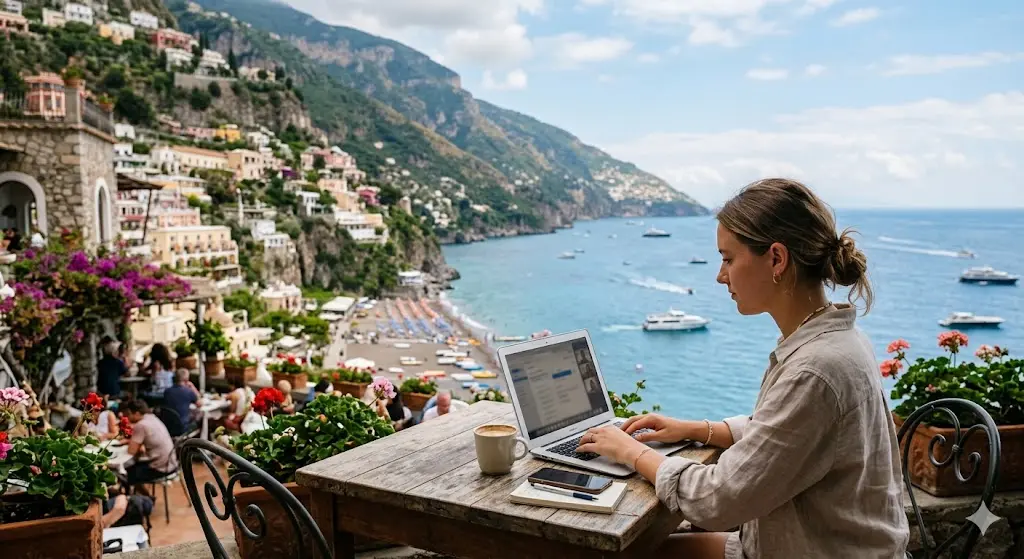
Remote work is reshaping the global tourism industry by changing how, when, and why people travel. Instead of taking short vacations, many professionals now combine work and travel, creating longer stays, higher local spending, and new opportunities for destinations, hotels, and tourism businesses worldwide.
Why Remote Work Is Reshaping the Global Tourism Industry has become one of the most discussed topics in travel and business circles. Just a few years ago, most travelers separated work from leisure. Today, millions of professionals can perform their jobs from almost anywhere with a stable internet connection. That shift is transforming tourism patterns across the world.
Here's the thing: people aren't simply taking vacations anymore. They're relocating temporarily, staying for weeks or even months, and contributing to local economies in ways traditional tourists never did. As remote work continues to expand in 2026, the tourism industry is adapting faster than many experts predicted.
Remote work allows professionals to travel while maintaining their careers. This trend is increasing long-term stays, boosting local tourism economies, creating demand for flexible accommodations, and encouraging destinations to attract digital professionals rather than only short-term visitors.
What Is Why Remote Work Is Reshaping the Global Tourism Industry?
Remote Work Tourism: A travel trend where individuals perform professional work remotely while temporarily living in different destinations.
Global tourism traditionally relied on vacationers, business travelers, and seasonal visitors. Remote work has introduced an entirely new traveler category.
These travelers often:
Stay longer than traditional tourists
Spend more consistently within local economies
Require reliable internet infrastructure
Seek community experiences
Combine work responsibilities with leisure activities
What most people overlook is that remote workers don't behave like tourists in the traditional sense. They often become temporary residents.
That distinction matters.
Their spending patterns, accommodation choices, and lifestyle preferences create different economic impacts compared to short-term visitors.
Why Remote Work Is Reshaping the Global Tourism Industry Matters in 2026
The tourism industry in 2026 looks significantly different than it did before remote work became mainstream.
Destinations now compete not only for vacationers but also for location-independent professionals.
Several factors explain why this shift matters.
Longer Visitor Stays
Traditional tourists might stay for a week.
Remote workers frequently remain for a month or longer.
This extended presence generates steady revenue for restaurants, transportation providers, housing operators, and local businesses.
New Tourism Revenue Streams
Many destinations have developed programs specifically targeting remote professionals.
These initiatives often include:
Flexible accommodation options
Co-working facilities
Networking events
Long-term visitor incentives
Such programs help diversify tourism revenue.
Reduced Seasonality Challenges
Many tourism destinations struggle with seasonal demand fluctuations.
Remote workers often travel outside peak vacation periods because they aren't restricted by traditional holiday schedules.
This creates more balanced economic activity throughout the year.
Increased Global Mobility
Professionals can now experience different cultures without sacrificing career growth.
That flexibility encourages more frequent travel and broader destination exploration.
Expert Tip: Tourism businesses that focus only on short-term visitors may miss significant opportunities. Long-stay travelers often become some of the most valuable customer segments.
How Tourism Businesses Can Adapt to Remote Work Trends
Organizations seeking to benefit from remote work tourism should take a strategic approach.
1: Understand Remote Worker Needs
Remote professionals prioritize different factors than traditional tourists.
Reliable internet, comfortable workspaces, and convenient services often matter as much as sightseeing attractions.
Businesses should research these evolving expectations.
2: Create Flexible Accommodation Options
Many remote workers seek monthly or extended-stay arrangements.
Hotels, apartments, and vacation rentals that provide flexible booking options often attract this audience more effectively.
3: Invest in Digital Infrastructure
Connectivity remains a top priority.
Tourism destinations with strong digital infrastructure tend to attract more remote professionals.
Fast internet can influence destination decisions just as much as climate or attractions.
4: Build Community Experiences
Remote workers frequently seek social interaction while traveling.
Networking events, local workshops, and community activities help create meaningful experiences.
This increases visitor satisfaction and encourages longer stays.
5: Market the Destination Differently
Tourism marketing campaigns should emphasize lifestyle benefits rather than only tourist attractions.
Highlighting productivity, quality of life, and work-friendly environments often resonates with remote professionals.
Common Misconception: Remote Workers Replace Traditional Tourists
Many people assume remote work tourism will eventually replace traditional tourism.
That's unlikely.
Vacation travelers still represent a major portion of tourism demand.
Remote work simply adds another layer to the market.
In fact, many remote workers eventually become repeat visitors or return later as traditional tourists with family members and friends.
This creates additional long-term value for destinations.
The relationship isn't competitive.
It's complementary.
How Destinations Worldwide Are Responding
Governments and tourism boards across the globe are adapting rapidly.
Several emerging trends illustrate this transformation.
Digital Nomad Programs
Many destinations now offer specialized programs designed to attract remote professionals.
These initiatives simplify temporary relocation and encourage longer stays.
Work-Friendly Hospitality
Hotels increasingly include dedicated workspaces, meeting rooms, and productivity-focused amenities.
What was once considered a luxury feature is becoming a standard expectation.
Infrastructure Development
Destinations are investing in internet connectivity, transportation systems, and digital services to remain competitive.
This benefits both visitors and local residents.
Community-Based Tourism
Remote workers often seek authentic local experiences.
As a result, destinations are developing programs that encourage deeper engagement with local communities and cultures.
Expert Tip: Tourism businesses should focus on creating experiences that fit daily life rather than only vacation activities. Remote workers want to feel connected to a destination, not just entertained by it.
Real-World Example: A Coastal Town's Transformation
Imagine a small coastal destination that traditionally relied on summer tourism.
Visitor numbers dropped sharply during off-season months, creating economic uncertainty.
Local leaders responded by improving internet infrastructure, supporting co-working spaces, and promoting long-term accommodation packages.
Within a few years, remote professionals began arriving throughout the year.
Restaurants remained busy.
Rental occupancy increased.
Local businesses enjoyed more predictable revenue.
While hypothetical, this scenario closely reflects trends occurring in many destinations worldwide.
The Unexpected Impact Nobody Talks About
Here's my hot take.
Remote work may actually improve tourism sustainability.
At first glance, that sounds strange.
Many people assume more travel automatically means greater environmental pressure. Yet remote workers often stay longer and travel less frequently than traditional vacationers who take multiple short trips each year.
In my experience, longer stays often encourage deeper community engagement and more responsible consumption patterns.
That's a perspective that doesn't get enough attention.
Expert Tips: What Actually Works
I've seen tourism businesses focus heavily on luxury upgrades while ignoring practical necessities.
That's often a mistake.
Remote professionals typically value convenience over extravagance.
Reliable internet matters.
Comfortable work environments matter.
Accessible services matter.
Here's what most guides miss: productivity can be a tourism attraction.
Destinations that help visitors work efficiently often gain a competitive advantage.
Another important point is flexibility. Remote workers frequently adjust travel plans based on work commitments, so rigid booking policies may discourage bookings.
Businesses that adapt to this reality often perform better.
Expert Tip: Don't market solely to tourists. Position your destination or service as a place where people can successfully live, work, and explore simultaneously.
People Most Asked About Why Remote Work Is Reshaping the Global Tourism Industry
How does remote work affect tourism?
Remote work allows people to travel while maintaining employment. This increases long-term stays, expands destination choices, and creates new tourism demand.
What is a digital nomad?
A digital nomad is a professional who works remotely while living and traveling in different locations. Many contribute significantly to local tourism economies through extended stays.
Why are tourism businesses targeting remote workers?
Remote workers often stay longer, spend consistently, and travel throughout the year, making them valuable customers for tourism-related businesses.
Does remote work increase tourism revenue?
In many cases, yes. Longer visitor stays and year-round travel patterns can generate stable economic benefits for local communities and tourism providers.
What challenges does remote work tourism create?
Challenges may include housing pressures, infrastructure demands, and balancing visitor needs with community priorities. Effective planning helps address these concerns.
Which destinations benefit most from remote work tourism?
Destinations with reliable internet, affordable living costs, attractive lifestyles, and supportive communities often attract remote professionals successfully.
Will remote work continue influencing tourism?
Current trends suggest remote work will remain a major factor shaping tourism strategies, travel behavior, and destination development throughout the coming years.
Final Thoughts
Why Remote Work Is Reshaping the Global Tourism Industry comes down to a fundamental change in how people live and work. Travelers are no longer limited by office locations, creating new opportunities for destinations, tourism operators, and local communities. As remote work continues evolving, the tourism industry will likely become more flexible, more diversified, and more focused on long-term visitor experiences than ever before.
Businesses, agencies, startups, bloggers, and SEO professionals seeking stronger brand visibility can maximize results through global newswire services combined with targeted business listing services. Secure high authority backlinks, improved SEO ranking, wider media coverage, increased organic traffic, and instant publishing opportunities that help your brand reach new audiences and strengthen online authority faster.