

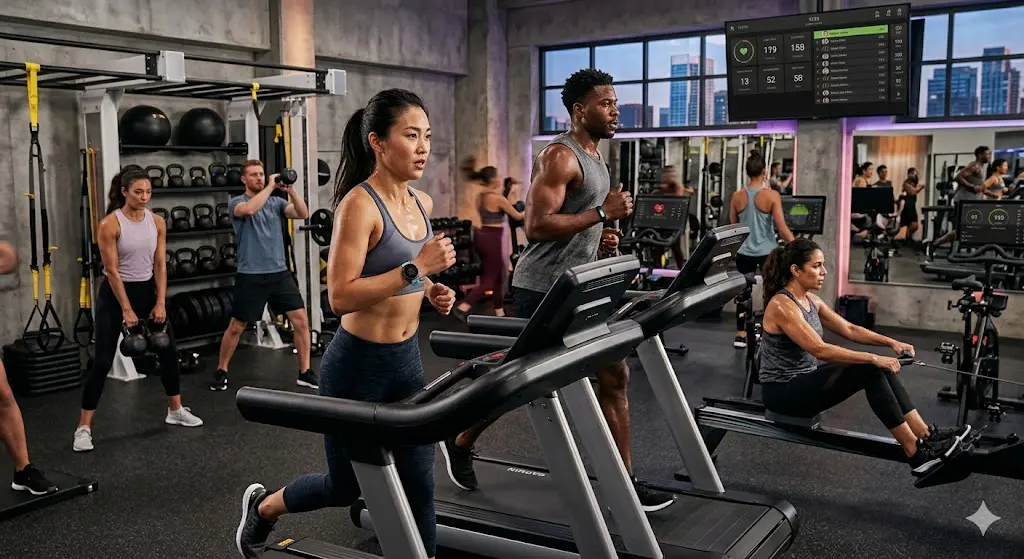
Fitness trends are no longer limited to gyms, workout apps, or social media influencers. They’re now transforming the entire sports industry worldwide, from athlete training and fan engagement to sponsorship deals and youth participation. What started as a lifestyle movement has evolved into a business shift that sports organizations can’t ignore anymore.
Here’s the thing. Fans today don’t just want to watch sports. They want to live healthier, train smarter, and feel personally connected to athletic culture. That change is reshaping how the global sports business operates in 2026.
Fitness trends are changing the sports industry by influencing athlete performance, digital training platforms, wearable technology, sports marketing, and fan participation. Modern consumers want personalized fitness experiences, which is pushing sports organizations to adapt faster than ever before.
What Is Fitness Trends in the Sports Industry?
Fitness trends: evolving health, exercise, and wellness habits that influence how people train, compete, recover, and engage with sports.
That definition sounds simple enough. But the actual impact runs much deeper.
A few years ago, fitness culture mostly revolved around gyms and bodybuilding. Now it includes wearable technology, home workouts, recovery science, hybrid training, mental wellness, and personalized health tracking.
Sports organizations have noticed.
Professional leagues, clubs, and athletic brands are investing heavily in fitness-focused experiences because audiences expect more than traditional competition. Fans want interaction. They want access to training routines, wellness content, and athlete lifestyles.
What most people overlook is that fitness trends are also changing who participates in sports. More adults are joining recreational leagues, running clubs, endurance events, and community sports because modern fitness culture feels more accessible than old-school competitive athletics.
Why Fitness Trends Matters in 2026
Fitness trends are becoming one of the biggest growth drivers in the sports industry in 2026. Consumer behavior has shifted dramatically, especially after the rise of digital wellness platforms and connected fitness devices.
People track everything now.
Heart rate. Sleep quality. Recovery levels. Hydration. Training intensity. Even stress scores.
Sports brands and leagues are responding because modern audiences expect data-driven fitness experiences. That expectation influences broadcasting, sponsorships, coaching systems, and even stadium design.
I’ve seen smaller sports organizations gain serious traction simply by creating community-focused wellness programs instead of only promoting competitions. That probably wouldn’t have worked ten years ago.
Another major shift involves younger audiences.
Gen Z and younger millennials often care more about personal wellness than traditional fandom. They may follow an athlete’s workout content before they even watch a full game. Sounds strange, but it’s happening everywhere.
A realistic example would be a football club launching a fitness app featuring player workout routines, recovery sessions, and nutrition guidance. Fans engage daily with the club beyond match days, creating stronger loyalty and recurring revenue.
That’s where things are headed.
Expert Tip
Sports businesses investing in wellness content instead of only entertainment content are likely to build stronger long-term communities. Fans stay connected when fitness becomes part of their everyday lives.
How Fitness Trends Are Reshaping the Sports Industry Step by Step
1. Athlete Training Has Become Data Driven
Modern athletes train differently than they did even five years ago.
Wearable devices and fitness tracking systems now monitor recovery, movement efficiency, fatigue, and sleep quality. Coaches rely heavily on real-time data to reduce injuries and improve performance.
In most cases, training is becoming smarter rather than simply harder.
2. Home Fitness Is Influencing Sports Consumption
Millions of people now exercise from home using connected workout platforms, virtual coaching, and fitness apps.
That trend has changed how sports organizations market themselves. Teams increasingly produce training videos, behind-the-scenes fitness content, and wellness challenges because audiences engage with active participation more than passive viewing.
Honestly, fans want to feel involved.
3. Recovery Culture Is Bigger Than Ever
What most guides miss is how recovery became mainstream.
Ice baths, mobility training, stretching sessions, massage therapy, and sleep optimization used to belong mostly to elite athletes. Now average fitness consumers follow similar habits.
Sports companies quickly realized recovery products and services create huge business opportunities.
4. Fitness Influencers Are Affecting Sports Marketing
Traditional advertising alone doesn’t work like it once did.
Fitness creators on social platforms now influence consumer behavior almost as much as professional athletes. Sports brands collaborate with trainers, wellness coaches, and fitness personalities to reach younger audiences.
Sometimes a fitness creator with a loyal niche audience drives stronger engagement than a famous athlete.
That surprises people.
5. Sports Technology Is Expanding Fast
Fitness technology has become deeply connected with sports innovation.
Smart watches, recovery sensors, AI coaching tools, performance analytics, and digital fitness memberships continue growing worldwide. Sports organizations that ignore these changes risk falling behind very quickly.
Expert Tip
If you’re building a sports brand today, focus on community participation rather than just spectator entertainment. Fitness trends reward interaction and consistency.
The Biggest Misconception About Fitness and Sports
More Fitness Content Doesn’t Always Mean Better Engagement
This might sound backward, but flooding audiences with endless workout content can actually reduce engagement.
People already feel overwhelmed online.
In my experience, sports brands that create focused, realistic fitness experiences perform much better than those constantly pushing extreme training culture. Audiences connect with authenticity more than perfection.
A basketball organization sharing beginner-friendly mobility routines might generate stronger loyalty than posting intense professional-level workouts every day.
That’s the counterintuitive part many marketers still miss.
How Sports Organizations Can Adapt to Fitness Trends
Sports businesses don’t need massive budgets to benefit from fitness culture. But they do need strategy.
Here’s a practical process that works in many cases:
1. Build Community Fitness Programs
Local training sessions, wellness challenges, and amateur leagues help create stronger audience relationships.
People support organizations they actively participate in.
2. Use Athlete Wellness Content
Recovery routines, nutrition advice, and realistic training content often outperform polished advertisements because audiences trust educational content more naturally.
3. Invest in Fitness Technology
Even basic fitness tracking integrations or app partnerships can improve fan engagement and create recurring digital experiences.
4. Focus on Mental Wellness
Mental health conversations are becoming normal in sports culture. Organizations supporting balanced fitness messaging often earn stronger audience trust.
5. Create Hybrid Sports Experiences
Modern fans enjoy combining live events with digital fitness interaction. Hybrid engagement models will probably continue growing over the next few years.
Why Fitness Trends Are Creating New Revenue Streams
Fitness culture is opening entirely new business opportunities for sports organizations.
That’s one of the biggest shifts happening right now.
Sports teams now monetize:
Digital workout memberships
Personalized coaching programs
Recovery partnerships
Wellness subscriptions
Fitness merchandise
Community training events
A decade ago, many of these ideas sounded secondary. Today they’re becoming major revenue categories.
And honestly, some organizations might soon earn more from wellness ecosystems than traditional ticket sales.
A Personal Hot Take on Modern Sports Culture
I think modern sports are slowly becoming more lifestyle-driven than competition-driven.
That doesn’t mean competition disappears. Not even close.
But audiences increasingly connect with routines, wellness habits, and personal improvement rather than only championships or scores. Fitness culture gives people daily emotional involvement with sports brands.
At least from what I’ve seen, organizations embracing this shift are building much stronger communities than those still relying only on old broadcasting models.
People Most Asked About Fitness Trends and Sports
How are fitness trends affecting professional sports?
Fitness trends influence athlete training, recovery systems, sports marketing, digital engagement, and fan participation. Teams now focus heavily on wellness and performance optimization.
Why are wearable fitness devices important in sports?
Wearable devices help athletes and coaches track recovery, movement, sleep quality, and performance metrics. They also allow fans to engage more deeply with fitness culture.
Are fitness influencers replacing athletes in sports marketing?
Not entirely, but fitness influencers now play a significant role in audience engagement because they often create relatable and consistent wellness content.
How does fitness culture impact youth sports?
Fitness culture encourages more participation in recreational sports and wellness activities, especially among younger audiences focused on health and lifestyle balance.
Why are sports organizations investing in wellness platforms?
Wellness platforms create recurring audience engagement, stronger community interaction, and additional revenue opportunities beyond traditional sporting events.
Can smaller sports brands benefit from fitness trends?
Absolutely. Smaller organizations often build stronger local fitness communities because they can offer more personal and accessible experiences.
Is fitness technology changing fan behavior?
Yes. Fans increasingly expect interactive experiences involving apps, performance tracking, virtual coaching, and digital wellness communities.
Final Thoughts
Fitness trends are changing the sports industry worldwide in ways that go far beyond exercise routines or gym memberships. They’re influencing business strategy, athlete performance, digital innovation, fan loyalty, and long-term revenue models.
Organizations that understand this shift early will likely stay ahead as sports become more connected with everyday wellness culture. Others may struggle to keep modern audiences engaged in a rapidly evolving industry.
Businesses, agencies, startups, and SEO professionals looking to expand brand visibility can improve organic traffic and SEO ranking through trusted press release publishing platforms and reliable local citation services. These solutions help generate high authority backlinks, increase media coverage, and support instant publishing for stronger online growth.