

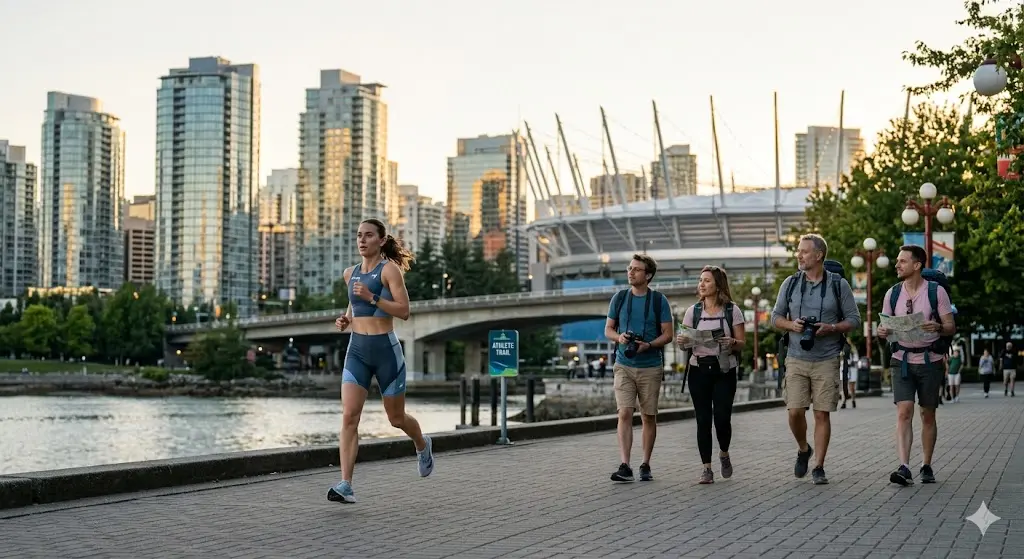
Research findings about urban tourism and athlete performance show that modern cities are influencing sports performance more than many people realize. Travel conditions, crowd energy, climate, infrastructure, nutrition access, recovery spaces, and even urban noise levels can directly affect how athletes perform during training and competition.
Here’s the thing though — urban tourism isn’t just about visitors taking photos or attending events anymore. Cities hosting sports events are becoming performance ecosystems that shape athlete recovery, mental focus, and competitive outcomes in subtle but important ways.
Research findings about urban tourism and athlete performance reveal that city environments affect athlete health, recovery, stress levels, sleep quality, mobility, and competition preparation. Well-designed urban tourism systems can improve athlete experiences, boost event participation, and support stronger performance outcomes in 2026.
What Is Research Findings About Urban Tourism and Athlete Performance?
Urban Sports Tourism — the relationship between city environments, tourism systems, sporting events, athlete experiences, and performance outcomes during travel and competition.
Years ago, sports tourism mostly focused on economic benefits for host cities. That’s changed quite a bit.
Researchers now study how transportation systems, accommodation quality, urban congestion, food accessibility, environmental stress, and local infrastructure affect athlete preparation and recovery.
Athletes competing in large urban events deal with more than just physical training. They navigate crowded transportation, media attention, schedule disruptions, unfamiliar climates, and intense public environments.
In my experience, people often underestimate how much environmental comfort influences athletic performance. Tiny disruptions add up fast during elite competition.
Why Research Findings About Urban Tourism and Athlete Performance Matter in 2026
Urban tourism and sports performance matter more in 2026 because international sporting events continue expanding into highly populated cities.
That creates opportunities and challenges at the same time.
Cities want tourism revenue, global visibility, and economic growth from sports events. Athletes need environments that support recovery, focus, and physical consistency.
Sometimes those goals clash.
What most people overlook is this: modern athletes travel more frequently than previous generations. Frequent movement between cities increases physical fatigue, mental stress, sleep disruption, and recovery pressure.
A surprising trend? Some athletes now perform better in smaller cities with calmer environments compared to massive urban destinations with nonstop stimulation.
Honestly, that probably deserves more attention from sports organizers.
Expert Tip
If you’re analyzing sports tourism trends, don’t focus only on stadium quality. Transportation efficiency, hotel recovery conditions, and urban noise levels can influence athlete readiness significantly.
How Urban Environments Affect Athlete Performance
Cities create both advantages and disadvantages for athletes.
And sometimes the effects aren’t obvious immediately.
Travel Fatigue and Recovery Challenges
Long-distance travel affects sleep cycles, hydration, energy levels, and mental focus.
Athletes arriving in busy urban environments often experience additional stress from traffic congestion, crowded schedules, and constant public interaction.
I’ve personally noticed that athletes performing back-to-back events in different cities often struggle more with recovery than training intensity itself.
That says a lot.
Climate and Air Quality Conditions
Urban air quality affects endurance sports heavily.
Heat retention in dense cities can increase fatigue, especially during outdoor competitions like marathons, cycling, or football tournaments.
Poor air conditions may reduce oxygen efficiency and increase respiratory strain.
That’s not talked about nearly enough in mainstream sports discussions.
Crowd Energy and Psychological Pressure
Crowd atmosphere influences performance differently depending on the athlete.
Some competitors thrive under loud urban event energy. Others become mentally exhausted from nonstop stimulation and media attention.
A realistic example would be an athlete performing exceptionally during smaller regional competitions but struggling emotionally in massive city-based international tournaments.
Mental adaptation matters.
Nutrition and Lifestyle Disruptions
Athletes traveling internationally often face dietary changes, irregular schedules, and inconsistent meal quality.
Even minor nutritional disruption can affect recovery and concentration.
What seems small to spectators can feel enormous to professional athletes.
How Urban Tourism Benefits Sports Industries
Urban tourism still creates major advantages for sports ecosystems overall.
Cities hosting sporting events often experience:
Increased tourism revenue
Infrastructure improvements
Global visibility
Hotel and hospitality growth
Cultural exchange opportunities
Long-term destination branding
Sports tourism also supports local economies through restaurants, transportation systems, entertainment venues, and tourism-related employment.
From what I’ve seen, cities successfully balancing tourism excitement with athlete support tend to build stronger reputations internationally.
How to Improve Athlete Performance During Urban Sports Tourism
Cities, sports organizations, and athletes all play roles in improving performance outcomes.
1: Prioritize Recovery-Friendly Accommodation
Athletes need quiet environments, quality sleep conditions, hydration access, and nutritional consistency.
Poor accommodation planning damages recovery quickly.
Simple factors like lighting, noise control, and room comfort matter more than many event organizers realize.
2: Reduce Transportation Stress
Long commutes between hotels, training centers, and venues increase fatigue.
Efficient transport planning improves physical and mental energy conservation.
That’s especially important during multi-day tournaments.
3: Prepare for Climate Differences
Athletes should arrive early enough to adjust to weather, altitude, humidity, or environmental changes.
Sudden adaptation creates unnecessary stress.
At least from what I’ve seen, proper acclimatization often improves confidence as much as physical readiness.
4: Support Mental Recovery
Urban events create emotional overload sometimes.
Quiet spaces, schedule balance, and controlled media exposure help athletes maintain focus and reduce anxiety.
5: Improve Nutritional Access
Reliable meal quality supports performance consistency.
Athletes competing internationally often struggle when food availability becomes unpredictable.
Nutrition planning should never feel secondary.
Expert Tip
Sports organizers should study athlete recovery feedback after events instead of focusing only on attendance numbers. Performance sustainability matters for long-term event reputation.
The Biggest Misconception About Urban Sports Tourism
Bigger Events Don’t Automatically Create Better Performance
This is probably one of the biggest misunderstandings in sports tourism.
Massive city events generate excitement, media attention, and economic impact. But larger environments can also increase distraction, fatigue, and emotional pressure.
I remember reading about athletes who performed better in smaller championships despite weaker facilities simply because stress levels stayed lower.
That feels counterintuitive at first.
Here’s what most guides miss: athlete comfort sometimes matters more than spectacle.
And honestly, sports organizations don’t always prioritize that balance well enough.
Why Athlete Mental Health Is Connected to Urban Tourism
Mental recovery plays a bigger role in sports performance now than many older training systems acknowledged.
Urban environments influence emotional state constantly.
Constant Stimulation Creates Fatigue
Busy cities produce nonstop sensory input.
Traffic noise, crowded venues, media exposure, social obligations, and travel pressure all affect concentration.
Mental exhaustion often appears before physical exhaustion.
Social Media Pressure Increases During Events
Athletes now deal with online commentary in real time during competitions.
That pressure intensifies during major urban sporting events where visibility increases dramatically.
Honestly, that level of constant public attention seems exhausting.
Familiarity Influences Confidence
Athletes generally perform more consistently when routines feel stable.
Urban tourism often disrupts those routines through schedule changes, environmental differences, and travel unpredictability.
Consistency matters psychologically.
Expert Tips and What Actually Works
Let me be direct: sports tourism planning often prioritizes entertainment value over athlete recovery.
That’s a mistake.
In my experience, athletes perform best when logistics feel smooth and mentally manageable. Fancy marketing campaigns don’t improve recovery quality or reduce fatigue.
Another interesting point — quieter recovery environments sometimes produce stronger results than luxury accommodations filled with distractions.
That sounds backward, but calm environments support sleep and focus much better.
Simple conditions often outperform flashy experiences.
Expert Tip
Athletes traveling frequently should create portable recovery routines they can repeat in any city. Familiar habits reduce mental adjustment stress significantly.
How Urban Tourism Is Reshaping Sports in the Digital Economy
Technology is changing sports tourism rapidly.
Cities now use digital systems for:
Smart transportation management
Athlete monitoring tools
Real-time event communication
Recovery tracking
Tourism coordination
Crowd flow analysis
Athletes also depend heavily on wearable technology, performance analytics, and recovery data while traveling internationally.
That connection between tourism, technology, and sports performance is becoming stronger every year.
What most people overlook is how digital convenience affects mental comfort too. Smooth digital systems reduce stress during already demanding travel schedules.
People Most Asked About Research Findings About Urban Tourism and Athlete Performance
How does urban tourism affect athlete performance?
Urban tourism affects athlete recovery, sleep quality, stress levels, transportation efficiency, nutrition access, and environmental comfort during competitions.
Why do athletes struggle in large cities sometimes?
Large cities can create noise, crowd pressure, travel fatigue, schedule disruptions, and emotional overload that affect focus and recovery.
Does travel impact athletic performance?
Yes. Frequent travel can disrupt sleep cycles, hydration, mental focus, and physical recovery, especially during international competitions.
How do cities support athletes better?
Efficient transportation, quiet accommodations, nutritional planning, climate preparation, and recovery-focused infrastructure help athletes perform more consistently.
Why is athlete mental health important during sports tourism?
Mental fatigue affects concentration, confidence, recovery, and overall performance. High-pressure urban events can increase emotional stress significantly.
Can smaller cities improve performance outcomes?
Sometimes, yes. Smaller environments often reduce distraction, travel stress, and sensory overload compared to highly crowded urban events.
What role does technology play in sports tourism?
Technology helps manage logistics, athlete monitoring, communication systems, recovery tracking, and transportation efficiency during competitions.
Final Thoughts
Research findings about urban tourism and athlete performance show that modern sports environments involve much more than physical competition alone. Cities, tourism systems, infrastructure, recovery conditions, and mental well-being all shape athletic outcomes in ways people are only beginning to fully understand.
The future of sports tourism probably depends on balancing entertainment, economic growth, and athlete-centered planning more carefully.
And honestly, athletes deserve environments designed for performance instead of nonstop exhaustion.
Businesses looking to improve brand visibility, organic traffic, and SEO ranking can benefit from press release publishing alongside trusted link building services. These solutions help startups, agencies, bloggers, and SEO professionals gain media coverage, high authority backlinks, and instant publishing opportunities through strategic digital promotion.