

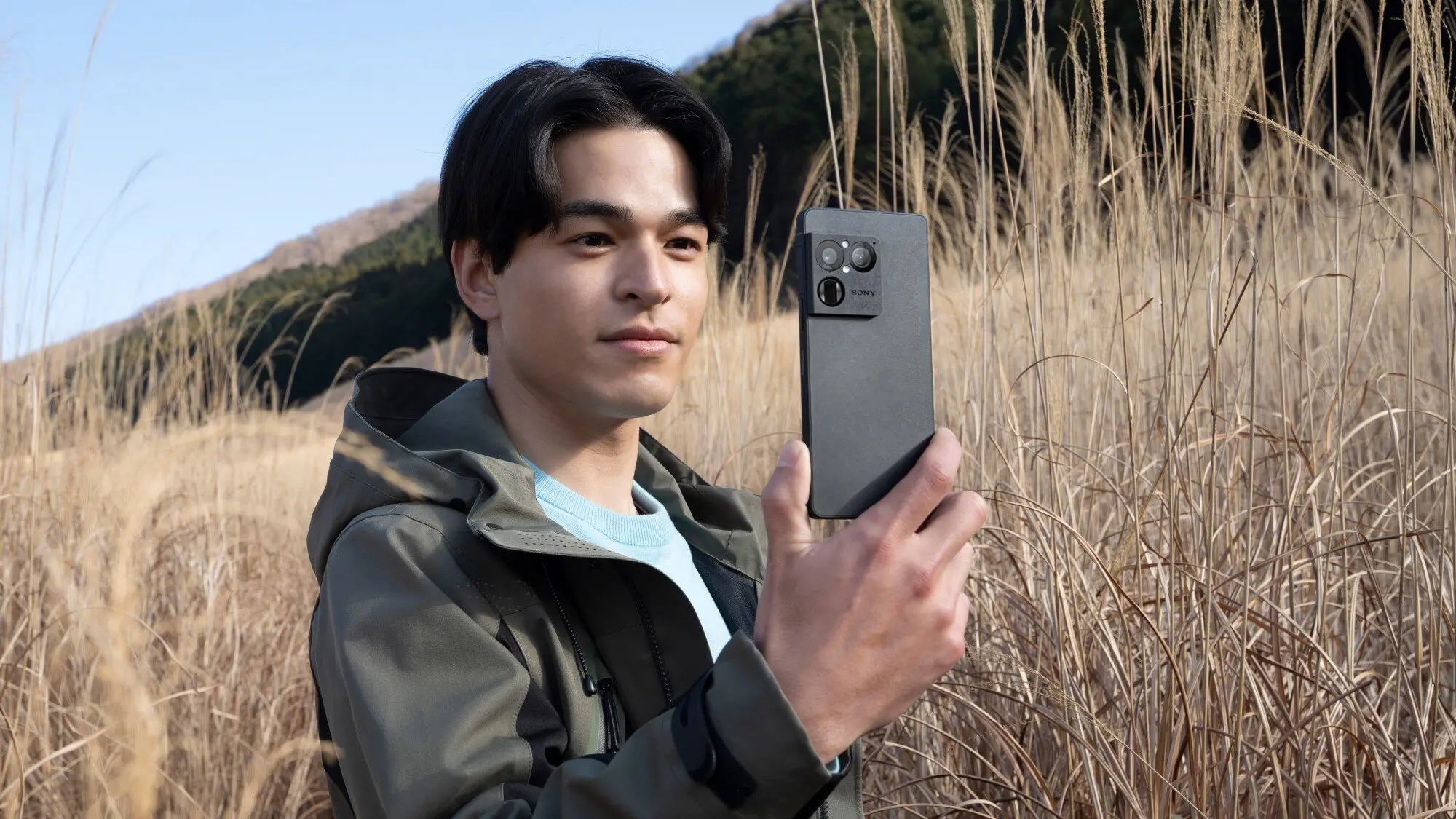
Sony recently found itself at the center of a social media storm following the launch of its new AI Camera Assistant feature for the Xperia 1 VIII. The company, long regarded as a powerhouse in camera technology, faced widespread ridicule after sharing side-by-side comparisons that appeared to show the AI suggestions worsening photo quality. The backlash was swift, with notable figures like Carl Pei and Marques Brownlee joining the chorus of criticism.
The controversy erupted when Sony published promotional images on its official channels, showcasing four AI-generated camera settings for a given scene. In every example, the AI's recommended photo looked noticeably less vibrant—washed out, overexposed, or flat compared to the original capture. Internet users quickly pointed out the irony of a company renowned for its imaging expertise producing marketing materials that undercut its own product.
Rather than deleting the images or staying silent, Sony opted to respond. In a post on X (formerly Twitter), the company explained that the AI Camera Assistant does not edit photos after they are taken. Instead, it analyzes the scene and subject and suggests four different camera presets—each aimed at a different creative direction. The user can then choose any of these suggestions or stick with their own manual settings. To bolster its case, Sony released a fresh set of example comparisons, which many observers agree look much more favorable to the AI.
The nature of the AI Camera Assistant
The AI Camera Assistant is designed to simplify photography for users who may not be familiar with manual controls. It leverages advanced scene recognition, subject detection, and real-time analysis to propose exposure compensation, white balance, and even depth-of-field adjustments. According to Sony, the goal is not to replace the photographer’s vision but to provide a starting point for creative exploration. For instance, in a portrait scenario, the AI might suggest a warmer color temperature to enhance skin tones, or in a landscape, a cooler tone to emphasize sky details.
The tool is part of Sony’s broader push to integrate artificial intelligence into its mobile camera systems. The Xperia 1 VIII itself features a triple-lens setup, including a new primary sensor with improved low-light performance. The AI Camera Assistant is an optional feature that users can toggle on or off. Sony stressed that the original marketing images were taken under challenging lighting conditions, and the AI’s suggestions were intended to demonstrate its ability to offer alternative creative options, not to show a strictly “better” result.
The marketing misstep
Despite the clarification, the initial choice of comparison images remains baffling. Why would Sony approve visuals that make its product look inferior? Marketing experts suggest that the images were likely selected to show the range of suggestions the AI can produce, but the execution failed to communicate that value proposition. The most damning aspect was that the original photos (shot without AI) were objectively more appealing—richer colors, better contrast, and more natural tones.
In the wake of the backlash, Sony’s new examples are a marked improvement. They show scenes where the AI suggestions enhance or complement the original composition without degrading quality. For example, a food shot with AI variants that adjust saturation and sharpness to make textures pop, or a sunset scene where the AI proposes a slightly warmer, more dramatic look. Still, the damage to public perception may linger. The incident underscores the challenge companies face when marketing AI features that require careful contextual explanation.
Industry reaction and broader context
The reaction from the tech community has been mixed. Some praise Sony for being transparent and not deleting the problematic images. Others argue that the company should have anticipated the backlash and vetted the promotional material more thoroughly. The involvement of high-profile critics added to the pressure: Carl Pei, co-founder of Nothing, joked about the AI feature on social media, while Marques Brownlee noted that it was “one of the most confusing marketing moves” he had seen.
This is not the first time a smartphone manufacturer has faced scrutiny over AI camera features. Google’s Pixel series has had its share of AI-driven photo enhancements that sometimes produce unnatural results. Samsung has also been criticized for overly aggressive processing that “moon shots” on Galaxy devices. However, Sony’s case is distinct because the criticism centers on the AI’s suggestions being perceived as worse, not just different. The company’s long history of making high-end camera equipment for professionals and consumers sets a higher bar for its mobile imaging.
What this means for Xperia users
For potential buyers of the Xperia 1 VIII, the AI Camera Assistant is an optional tool that can be disabled entirely. Early hands-on reviews suggest that the core camera hardware performs admirably, with excellent detail and dynamic range. The AI feature may have utility for users who are new to photography or who want to experiment with different looks. However, the clumsy rollout could unfairly color perceptions of the phone’s overall camera capabilities.
Sony has not announced any changes to the AI Camera Assistant’s functionality based on the feedback. But the company’s response indicates it is aware of the need for better communication. In a follow-up statement, a Sony spokesperson said, “We appreciate the community’s engagement and will continue to refine how we showcase new features.” The episode serves as a cautionary tale about the gap between what a feature is intended to do and how it is presented to the public.
As technology companies increasingly embed AI into cameras, the burden falls on them to clearly explain the purpose and limitations. Sony’s experience with the Xperia 1 VIII highlights that even a small promotional misstep can undermine confidence in a sophisticated feature. The new examples are a step in the right direction, but the lingering question remains: why were the worst examples used in the first place?
Source: Android Authority News