

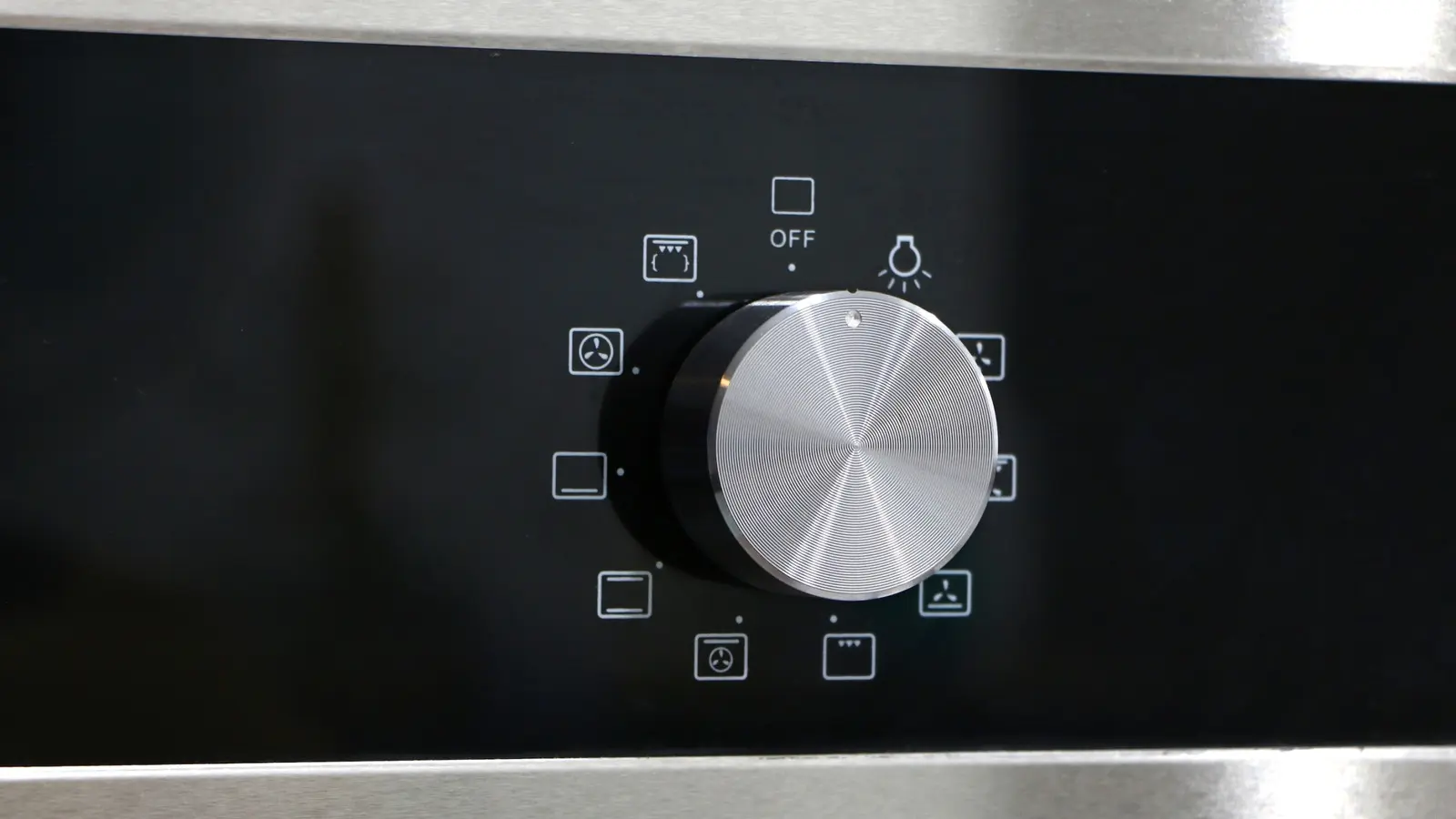
If you have spent any time in a kitchen, you have probably noticed that ovens feature a puzzling array of small square symbols. These icons are not random decorations. They are designed to communicate the oven's many cooking modes at a glance. Once you understand that the square represents the oven cavity itself, the symbols become much easier to read. The lines, fans, zigzags, and droplets inside that square tell you exactly which heating elements will be active, whether air will circulate, and what kind of cooking process is being triggered.
Most modern ovens use the same basic visual language. This consistency is intentional. Manufacturers know that people move, buy new appliances, and cook in different homes. Standardized symbols make it easier for users to switch from one oven to another without reading a full manual. However, not every symbol is immediately obvious. Some are intuitive, while others require a bit of translation. Knowing these icons can make a real difference in how your food turns out.
Key facts at a glance
- The square symbol on an oven represents the oven cavity, which is the interior space where food is cooked.
- A horizontal line at the bottom of the square means the lower heating element will be used.
- A horizontal line at the top means the top heating element will be used.
- Two horizontal lines, one at the top and one at the bottom, indicate that both heating elements work together.
- A fan inside the square means the convection fan will circulate hot air around the oven.
- A fan combined with a horizontal line means the fan and a specific heating element operate at the same time.
- A zigzag line represents the grill or broiler setting.
- A shorter zigzag line often indicates a partial grill or reduced grilling area.
- A snowflake, water drop, or both indicate a defrost setting.
- Vertical wave dashes usually mean a keep warm function.
- A single horizontal wave dash may indicate a microwave setting.
- Some ovens include a steam setting represented by a cloud-like symbol.
The square is the oven cavity
Before diving into individual icons, it is important to understand the meaning of the square outline. On almost every oven, the square that frames the tiny picture is not just a border. It is a visual representation of the oven box, or cavity. Think of it as a simple blueprint drawn from the front. Everything placed inside that square is something that exists inside the actual oven. This is why the symbols look so consistent between different brands and models.
When you look at an oven control panel, you might see several squares side by side. Each one shows a different arrangement of lines, fans, or shapes. The position of those elements within the square mirrors where they are located inside the oven. For example, a line near the top of the square is at the top of the oven. A line near the bottom is at the bottom. This spatial logic helps users instantly determine which part of the oven will be doing the work.
Basic heating symbols
The most basic oven symbols involve one or two straight horizontal lines. A single line at the bottom of the square indicates the lower heating element. This is often called bottom heat. It is useful for baking pizza, casseroles, or anything that needs strong heat from below. A single line at the top indicates the upper heating element. This is commonly used for browning the top of dishes, melting cheese, or finishing a casserole with a golden crust.
When two horizontal lines appear in the square, one at the top and one at the bottom, the oven uses both heating elements simultaneously. This is the standard bake mode found in many ovens. It produces steady heat from above and below, creating a balanced environment inside the cavity. This setting is ideal for cakes, cookies, bread, and many other baked goods that need even heat around them.
Some ovens also use a thick line at the bottom as a symbol for a pizza setting. The thick line represents concentrated bottom heat, which is designed to crisp the base of a pizza while cooking the toppings from above. This is not a universal symbol, but it appears on many European and modern ovens.
Fan and convection symbols
One of the most common symbols you will see is a fan inside the square. This indicates that the oven has a convection fan. The fan circulates hot air throughout the cavity, which helps eliminate cold and hot spots. This creates a more consistent temperature, allowing food to cook evenly on all sides. Convection mode is excellent for roasting meats, baking multiple trays at once, and achieving crispy results.
You will also see the fan combined with a horizontal line. This means the fan is working together with either the top or bottom heating element. For example, a fan with a line at the bottom uses bottom heat plus air circulation. A fan with a line at the top uses top heat plus air circulation. These modes are useful for dishes that need gentle heat from one direction while the fan keeps moisture and temperature stable.
When the fan appears alongside both top and bottom lines, the oven operates in what is often called true convection or 3D cooking. The heating elements heat the cavity from multiple directions while the fan distributes the air. This is one of the most versatile oven modes. It can handle everything from baked bread to slow-roasted vegetables.
Grill and broiler symbols
Grill settings are usually represented by a zigzag line inside the square. The zigzag line is meant to look like the heating element of a grill or broiler. A full-length zigzag line means the entire grilling element is switched on. This produces intense heat from above, which is perfect for broiling steaks, toasting sandwiches, roasting peppers, or caramelizing the top of a dish.
Some ovens have a partial grill setting. This is shown by a shorter zigzag line inside the square. It means that only a central section of the grilling element is active. Partial grill uses less energy and is ideal for smaller portions, such as toasting a single slice of bread or grilling a small piece of fish for one person.
You may also see a fan symbol combined with a zigzag line. This mode activates the grill and the convection fan at the same time. The fan helps distribute the intense heat more evenly and prevents the surface from burning too quickly. This setting is often recommended for cooking thicker cuts of meat, like chicken breasts, where you want a crispy exterior and a fully cooked interior.
Defrost and keep warm symbols
Defrost settings are commonly shown with a snowflake icon, a water drop, or both. The snowflake represents cold, while the water drop represents the melting process. When you select this mode, the oven runs a low-temperature fan or uses ambient air to thaw frozen food gently. This is much safer than leaving food out on the counter and more convenient than waiting for a microwave.
Keep warm mode is usually indicated by several vertical wave dashes. The wavy lines suggest gentle heat rising. This setting maintains a low temperature inside the oven, often around 140 to 200 degrees Fahrenheit, so that cooked food stays warm until it is served. It is especially useful during holiday dinners when multiple dishes need to be ready at the same time.
Microwave and steam symbols
Some ovens combine conventional heating with microwave technology. A single horizontal wave dash is often used to represent the microwave setting. The wavy line is a stylized representation of electromagnetic waves. When this mode is selected, the oven uses microwave energy to heat food quickly. This is different from convection heating and is often found in combination ovens.
Steam settings are less common but increasingly popular. A cloud-like symbol inside the square represents steam. When you activate this mode, the oven injects moisture into the cavity, creating a humid environment. Steam cooking helps keep food moist, preserves nutrients, and is excellent for vegetables, fish, rice, and baked goods like sourdough bread.
Specialized and smart oven functions
Modern ovens continue to evolve. Many now include an air fry function, which uses rapid air circulation to mimic the effects of deep frying with little or no oil. This function is often represented by a fan with a wavy line or a small basket-like symbol. The square still appears as the foundation, but the internal icon is different from older models.
Other specialized functions include a bread proofing mode, which uses very low heat to help dough rise, and a dehydrating mode, which removes moisture from fruits, vegetables, and herbs. Some premium ovens have integrated temperature probes and can automatically adjust cooking time based on the internal temperature of the food. These functions are usually indicated by additional icons or digital displays, but the square cavity symbol remains the basis of the interface.
Why understanding symbols matters
Understanding oven symbols is not just about convenience. It also improves the quality of your cooking. If you use the wrong heating mode, your food may cook unevenly, burn on one side, or remain undercooked in the center. For example, using full grill mode to bake a cake would scorch the top before the inside has a chance to set. Using convection mode for a delicate custard might cause it to curdle or dry out.
Knowing the symbols also helps you save energy. Choosing a partial grill instead of a full grill, or using convection mode instead of baking at a higher temperature, can reduce power consumption. Many ovens with fans allow you to lower the temperature by about 25 degrees compared to traditional static heating. This saves electricity without compromising results.
Another benefit is safety. Some settings, especially grill and self-cleaning modes, generate extremely high temperatures. Recognizing the symbol for grill helps you avoid accidental contact or leaving the oven unattended for too long. Defrost and keep warm modes are low and gentle, but they still require care. Being able to identify these functions quickly is an essential kitchen skill.
Cleaning and maintenance considerations
Oven symbols are printed or engraved near the knobs and controls. Over time, grease, grime, and cooking residue can obscure them. If the symbols become difficult to read, you may end up using the wrong mode. This can affect your cooking results and may even cause uneven heating. Regular cleaning is essential not only for hygiene but also for the readability of these controls.
Built-up grease on the oven interior can also reduce heating efficiency. Thick layers of grime absorb heat, disrupt airflow, and create unpleasant smoke when the oven reaches high temperatures. This forces the appliance to work harder and may increase your electricity bill. Cleaning the oven thoroughly, including the area around the fan and heating elements, helps maintain consistent performance.
When cleaning, always follow the manufacturer's recommendations. Some ovens have a self-cleaning cycle that uses high heat to burn off residue. Others require manual cleaning with mild detergents. Avoid using harsh abrasive tools on the control panel, as they can scratch the surface and make the symbols even harder to see. Wiping the control panel regularly with a soft, damp cloth is usually enough to keep the icons clear.
It is also worth checking the manual or the manufacturer's website if you are unsure about a particular symbol. Many brands provide helpful guides that explain each mode in detail. Some even have online databases where you can search for your oven model and see all its functions. If you have misplaced the manual, you can often find a digital copy by searching for the model number.
The square symbols on ovens are a simple but effective universal language. Once you learn a few basic rules, you can walk into any kitchen and confidently choose the right setting. The square represents the space where your food cooks. The lines represent heat. The fan represents air movement. The zigzag represents grilling. The droplets and snowflakes represent moisture and thawing. With this knowledge, you can make the most of your oven, cook delicious meals, avoid common mistakes, and keep your appliance in good shape for years to come.
Source: SlashGear News