

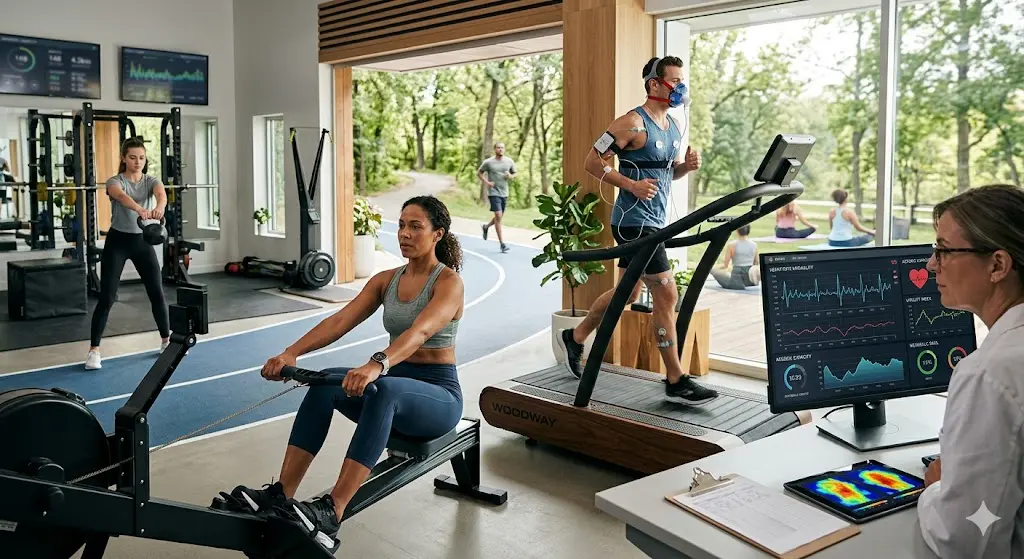
Research findings about fitness trends and human health show a clear connection between regular physical activity and better long-term well-being. Global studies indicate that people are moving away from one-size-fits-all workout plans and toward personalized fitness approaches that support physical, mental, and emotional health.
Fitness trends are reshaping human health by encouraging sustainable exercise habits, personalized wellness programs, and technology-supported training. Research suggests that consistent movement, strength training, recovery practices, and mental wellness integration produce better health outcomes than extreme fitness routines.
Research findings about fitness trends and human health reveal an interesting shift in how people approach wellness. For years, fitness was often associated with appearance goals, intense workouts, and short-term transformations. Today, the focus is changing.
People increasingly view fitness as part of a broader health strategy that includes sleep, nutrition, stress management, and long-term disease prevention. Here's the thing: the most successful fitness trends aren't necessarily the most intense. In many cases, they're the ones that people can maintain for years rather than weeks. That change is influencing healthcare systems, employers, fitness companies, and individual consumers worldwide.
What Are Research Findings About Fitness Trends and Human Health?
Research findings about fitness trends and human health refer to studies that examine how exercise behaviors, wellness technologies, training methods, and lifestyle habits influence overall physical and mental well-being.
Definition Box
Fitness Trends: Evolving exercise, wellness, and health practices that gain widespread adoption due to changing consumer preferences, scientific research, and technological innovation.
Current research highlights a growing preference for balanced fitness approaches. Instead of chasing quick results, many individuals now prioritize sustainability, flexibility, and measurable health improvements.
What most people overlook is that fitness trends often reflect broader social changes. Remote work, digital health platforms, wearable devices, and increasing health awareness all contribute to how people exercise today.
Expert Tip
When evaluating any fitness trend, ask a simple question: "Can I realistically maintain this habit for the next year?" Sustainability usually predicts success better than intensity.
Why Research Findings About Fitness Trends and Human Health Matter in 2026
The importance of fitness research continues to grow as healthcare systems face rising rates of chronic disease, obesity, stress-related conditions, and sedentary lifestyles.
In 2026, fitness is becoming more integrated into preventive healthcare strategies. Employers, insurers, and healthcare providers increasingly recognize physical activity as a key factor in reducing long-term health risks.
Several trends are shaping this evolution.
Personalized fitness programs are becoming more common.
Wearable health technology continues to influence exercise decisions.
Mental health is increasingly connected to physical fitness programs.
Recovery and injury prevention receive greater attention than before.
People are also becoming more data-driven. Many individuals now track steps, heart rate, sleep quality, recovery scores, and workout performance.
Interestingly, research suggests that moderate consistency often produces better health outcomes than occasional extreme effort.
Real-World Example
Consider two individuals.
One exercises intensely for two months before quitting due to burnout.
Another walks daily, performs strength training twice per week, and maintains healthy habits year-round.
The second individual will probably achieve better long-term health outcomes despite spending fewer hours exercising.
Which Fitness Trends Are Having the Biggest Impact?
Several trends consistently appear in global health and fitness research.
Strength Training for Longevity
Strength training is increasingly recognized as essential for maintaining muscle mass, mobility, and independence as people age.
Researchers frequently associate resistance training with improved metabolic health and reduced injury risk.
Wearable Health Technology
Fitness trackers and smart devices provide users with real-time feedback.
Many people find that measurable progress increases motivation.
Functional Fitness
Functional training focuses on movements that improve everyday activities.
Rather than emphasizing appearance alone, this approach supports practical physical performance.
Recovery-Focused Training
Rest days, mobility exercises, stretching, and sleep optimization are becoming major components of fitness programs.
Mental Wellness Integration
Many fitness programs now include mindfulness, meditation, stress reduction techniques, and emotional well-being support.
Expert Tip
Recovery isn't laziness. In my experience, people often underestimate how much sleep, hydration, and recovery influence physical performance.
How to Apply Fitness Research Findings: Step by Step
If you want to benefit from current fitness research, a structured approach works best.
1. Define Long-Term Health Goals
Focus on sustainable outcomes.
Goals related to energy, mobility, cardiovascular health, and strength often produce lasting motivation.
2. Build a Consistent Exercise Schedule
Consistency matters more than perfection.
A manageable routine is usually better than an aggressive plan that becomes difficult to maintain.
3. Include Strength and Cardio Training
Balanced programs typically combine resistance exercises with cardiovascular activity.
This combination supports overall health.
4. Track Progress Wisely
Use data to identify patterns rather than obsess over daily fluctuations.
Progress rarely follows a straight line.
5. Prioritize Recovery
Sleep, nutrition, hydration, and stress management contribute significantly to fitness outcomes.
6. Adjust Based on Results
Fitness needs evolve over time.
Review goals regularly and modify routines when necessary.
Common Misconception: More Exercise Always Produces Better Results
This belief remains surprisingly common.
Many people assume that doubling workout volume automatically doubles results.
Research often suggests otherwise.
Overtraining can increase injury risk, reduce motivation, and negatively affect recovery. A carefully designed program with adequate rest frequently produces better outcomes than constant high-intensity exercise.
Let me be direct: doing less, but doing it consistently, often beats doing more for a short period.
That's not always what fitness marketing promotes, but it's what many long-term studies suggest.
What Research Reveals About Human Health Outcomes
Research findings consistently connect physical activity with numerous health benefits.
Improved cardiovascular health remains one of the strongest findings.
Regular exercise is associated with healthier blood pressure levels, improved circulation, and better heart function.
Mental health improvements are also significant.
Physical activity may reduce stress, support emotional resilience, and improve mood.
Cognitive performance benefits have gained attention as well.
Researchers increasingly explore connections between exercise and brain health, particularly among aging populations.
Weight management remains important, but many experts now emphasize broader health outcomes rather than appearance-based goals.
Mini Case Study
Imagine a workplace wellness initiative encouraging employees to take short movement breaks throughout the day.
After six months, participants report improved energy levels, reduced stress, and better productivity.
While the program doesn't involve intense workouts, the cumulative effect of consistent movement creates measurable benefits.
Expert Tips: What Actually Works
I've followed fitness research for years, and one pattern keeps appearing.
Simple habits outperform complicated systems.
People often search for the perfect workout plan when they might benefit more from improving consistency.
Here's what most guides miss: fitness success is often determined outside the gym.
Sleep quality.
Nutrition choices.
Stress management.
Daily movement.
These factors frequently matter just as much as the workout itself.
A somewhat controversial opinion of mine is that many people would improve their health more by walking daily than by attempting advanced fitness programs they abandon after a month.
That might sound too simple, but simplicity often wins.
Expert Tip
Don't chase trends blindly. Evaluate whether a new fitness method aligns with your goals, schedule, and physical abilities before adopting it.
People Most Asked About Fitness Trends and Human Health
Why are fitness trends changing so quickly?
Technology, scientific research, consumer preferences, and social influences all contribute to changing fitness trends. New evidence often reshapes public interest and exercise practices.
Are wearable fitness devices effective?
They can be effective when used as motivational tools. Many users benefit from tracking activity levels, sleep patterns, and health metrics.
Is strength training important for everyone?
In most cases, yes. Strength training supports muscle health, mobility, bone density, and long-term physical function across different age groups.
How does fitness affect mental health?
Regular physical activity is often associated with improved mood, reduced stress, and better emotional well-being. Many people report psychological benefits alongside physical improvements.
What is functional fitness?
Functional fitness focuses on exercises that improve real-world movement patterns, helping individuals perform daily tasks more efficiently and safely.
Can walking improve overall health?
Absolutely. Walking is one of the most accessible forms of exercise and is associated with cardiovascular, metabolic, and mental health benefits.
Why is recovery becoming a major fitness trend?
Research increasingly highlights the importance of sleep, mobility work, hydration, and rest in supporting performance and preventing injuries.
What fitness trend is expected to grow most in 2026?
Personalized wellness programs supported by health data, wearable technology, and integrated mental health practices are expected to continue expanding.
Final Thoughts
Research findings about fitness trends and human health suggest that sustainable habits are replacing extreme approaches. People are increasingly prioritizing long-term wellness, recovery, personalized training, and overall quality of life. As research continues to evolve, the most successful fitness strategies will likely remain those that balance consistency, adaptability, and individual health needs rather than pursuing short-term results alone.
Businesses, agencies, startups, bloggers, and SEO professionals looking to boost brand visibility can benefit from global newswire services combined with local citation services to secure high authority backlinks, improve SEO ranking, generate organic traffic, and maximize media coverage. With instant publishing opportunities and trusted promotional solutions, organizations can strengthen online authority while reaching targeted audiences more effectively.