

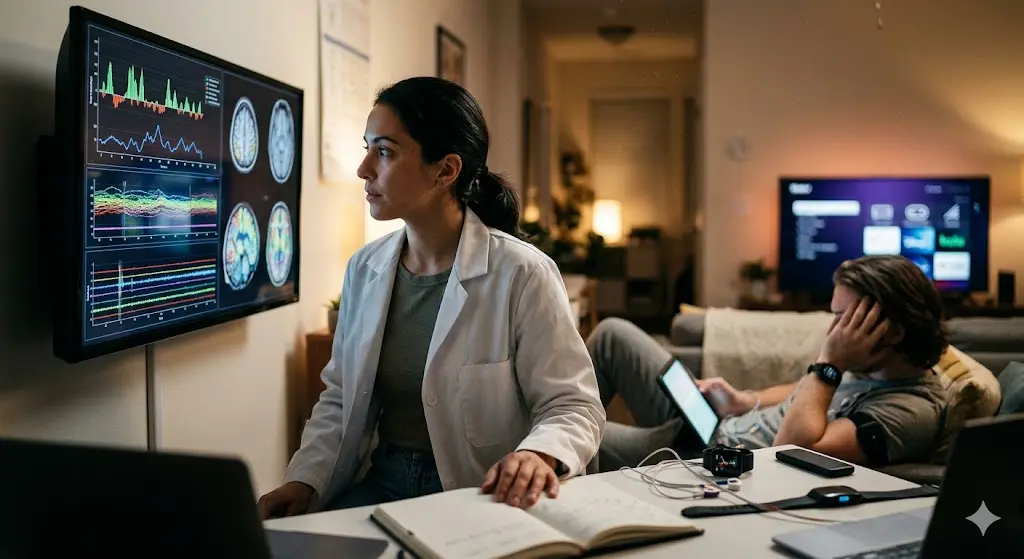
Research findings about streaming platforms and human health show a complex relationship. Streaming services can support relaxation, education, social connection, and mental recovery, but excessive use may contribute to sleep disruption, sedentary behavior, and attention challenges. The latest research suggests that health outcomes depend less on streaming itself and more on viewing habits, content choices, and screen-time management.
Research findings about streaming platforms and human health indicate both benefits and risks. Moderate streaming can improve relaxation, learning, and emotional well-being, while excessive binge-watching may affect sleep quality, physical activity levels, and mental health. Balanced consumption remains the key factor influencing outcomes.
Research findings about streaming platforms and human health have become increasingly important as billions of people spend time consuming digital content every day. Whether you're watching documentaries, educational programs, live events, or entertainment series, streaming has become a regular part of modern life.
Here's the thing: streaming platforms aren't automatically good or bad for health. Their impact depends largely on how people use them. Some viewers find stress relief and valuable learning opportunities, while others struggle with screen fatigue and disrupted sleep schedules. Understanding these patterns helps individuals make healthier digital choices.
What Is Research Findings About Streaming Platforms and Human Health?
Streaming Platforms and Human Health Research: The study of how digital streaming services influence physical, mental, emotional, and social well-being among users.
Researchers examine viewing habits, content consumption patterns, sleep quality, stress levels, exercise behavior, social interactions, and cognitive performance.
This field combines insights from psychology, public health, neuroscience, media studies, and behavioral science.
What makes this research especially relevant is the rapid growth of streaming across all age groups and regions.
Why Research Findings About Streaming Platforms and Human Health Matters in 2026
Streaming technology continues to evolve in 2026.
People now consume content across multiple devices throughout the day, creating new questions about health outcomes.
Increased Daily Screen Exposure
Many individuals spend several hours daily interacting with digital content.
Streaming contributes significantly to overall screen time, making its health effects worthy of attention.
Mental Health Awareness
Public discussions about mental wellness have expanded dramatically.
Researchers increasingly examine how media consumption influences mood, anxiety, stress, and emotional regulation.
Remote Lifestyles
Flexible work arrangements and digital learning environments often increase screen exposure.
Streaming platforms frequently become part of both work breaks and leisure activities.
Personalized Content Recommendations
Algorithms help viewers discover content tailored to their interests.
While personalization improves engagement, it can also encourage prolonged viewing sessions.
Health-Conscious Consumers
Modern audiences are becoming more aware of lifestyle habits that affect well-being.
This awareness is driving demand for research-based guidance regarding streaming behavior.
Expert Tip: Track not only how much content you watch but also when you watch it. Timing often affects health outcomes as much as total viewing hours.
What Are the Major Research Findings?
Research identifies several consistent themes regarding streaming and health.
Moderate Streaming Can Reduce Stress
Many viewers report relaxation benefits after watching enjoyable content.
After demanding workdays, entertainment often serves as a mental break that helps reduce stress.
Educational content can also provide a sense of accomplishment and personal growth.
Sleep Quality Is Frequently Affected
One of the strongest findings involves sleep patterns.
Late-night viewing sessions often reduce sleep duration and delay bedtime routines.
What most people overlook is that even highly engaging content can increase mental stimulation before sleep.
Sedentary Behavior Remains a Concern
Extended viewing periods can reduce physical movement.
Sitting for long periods may contribute to broader health challenges when combined with low activity levels.
The issue is usually inactivity rather than streaming itself.
Social Connection Can Increase
Contrary to common assumptions, streaming sometimes supports social engagement.
Friends and families frequently discuss popular content, participate in shared viewing experiences, and build communities around entertainment interests.
Educational Benefits Continue Growing
Streaming platforms increasingly offer documentaries, tutorials, expert interviews, and learning-focused content.
Many users develop new skills through regular content consumption.
How to Use Streaming Platforms in a Healthier Way
Research suggests several practical strategies.
1. Set Viewing Boundaries
Determine how much time you want to spend streaming before starting a session.
Clear limits reduce the likelihood of unintended binge-watching.
2. Prioritize Sleep
Avoid lengthy viewing sessions immediately before bedtime whenever possible.
Many people benefit from a technology-free wind-down period.
3. Schedule Movement Breaks
Stand, stretch, or walk periodically during longer viewing sessions.
Small movement breaks can make a noticeable difference.
4. Choose Content Intentionally
Not all content produces the same effects.
Educational, inspiring, or relaxing content may contribute differently to well-being than highly stressful programming.
5. Balance Digital and Offline Activities
Streaming works best as one part of a broader lifestyle.
Physical activity, social interaction, hobbies, and outdoor experiences remain important.
6. Monitor Emotional Responses
Pay attention to how content affects your mood.
If certain programs consistently increase stress or anxiety, adjusting viewing habits may help.
Expert Tip: Use streaming as a reward after completing important tasks rather than as a default activity. This often improves both productivity and enjoyment.
Common Misconception: Streaming Is Always Harmful
A surprisingly common belief is that streaming automatically damages health.
Research doesn't fully support that conclusion.
The relationship is far more nuanced.
Someone who watches a documentary for an hour after exercise may experience different outcomes than a person who remains sedentary for six consecutive hours.
Context matters.
Duration matters.
Content selection matters.
Individual habits matter too.
This is why researchers increasingly focus on behavior patterns instead of simply measuring total screen time.
How Streaming Platforms Influence Mental Health
Mental health outcomes vary significantly among users.
Positive Effects
Many viewers report benefits such as:
Temporary stress reduction
Emotional comfort
Educational growth
Social conversation opportunities
Relaxation after demanding days
Potential Challenges
Researchers also identify risks including:
Excessive binge-watching
Reduced sleep quality
Emotional dependence on digital entertainment
Increased procrastination
Feelings of isolation in some circumstances
Here's the interesting part.
Many negative outcomes emerge when streaming replaces healthy activities rather than complements them.
Real-World Example: Balanced Viewing Habits
Consider two hypothetical professionals.
The first watches educational and entertainment content for ninety minutes each evening while maintaining exercise routines and consistent sleep schedules.
The second streams content late into the night, sleeps fewer hours, and reduces physical activity.
Both use streaming platforms.
Yet their health outcomes may differ significantly.
Research consistently suggests that lifestyle balance plays a major role in determining results.
How Streaming Platforms Affect Physical Health
Physical health impacts often receive less attention than mental health discussions.
However, research highlights several important findings.
Activity Levels
Long viewing sessions can decrease movement throughout the day.
This may contribute to sedentary lifestyles when not balanced with exercise.
Eye Fatigue
Extended screen exposure can cause temporary discomfort, including eye strain and fatigue.
Regular breaks generally help reduce symptoms.
Sleep and Recovery
Sleep influences nearly every aspect of health.
Disrupted sleep schedules caused by prolonged nighttime viewing may affect recovery, concentration, and energy levels.
Eating Habits
Some studies suggest that distracted viewing can influence eating behaviors.
People may consume snacks mindlessly while focused on content.
Expert Tip: Pair streaming with light physical activities such as stretching, walking on a treadmill, or mobility exercises when appropriate.
My Personal Observation on Streaming and Health
In my experience, people often focus on total viewing hours while ignoring content quality.
I've seen individuals spend two hours learning new skills through educational content and gain meaningful benefits.
I've also seen people finish entire seasons overnight and feel exhausted the next day.
Here's what most guides miss: content purpose matters.
Streaming can function as entertainment, education, relaxation, inspiration, or simply habit. Understanding the purpose behind your viewing often leads to healthier choices.
The Unexpected Finding Researchers Continue to Explore
Many assume that less streaming automatically means better health.
That's not always true.
For some individuals, streaming content provides emotional support, stress relief, educational opportunities, and social connection.
A person watching an inspiring documentary or participating in a shared online viewing event may experience positive outcomes.
The more relevant question isn't necessarily "How much do you watch?"
It's often "How does what you watch affect your overall lifestyle?"
That shift in perspective changes the conversation entirely.
Future Trends in Streaming and Health Research
Several developments are likely to shape future studies.
Artificial Intelligence Recommendations
Personalized content suggestions may influence viewing patterns even more strongly.
Interactive Experiences
New forms of engagement could make content consumption more immersive.
Digital Wellness Tools
Platforms may increasingly introduce features that encourage healthier viewing habits.
Health-Focused Content
Demand for wellness, education, and self-improvement programming continues growing.
Behavioral Analytics
Researchers are gaining better tools for understanding long-term viewing behavior and health outcomes.
Expert Tips: What Actually Works
If you're trying to maintain a healthy relationship with streaming platforms, simplicity usually wins.
Let me be direct.
Most people don't need to eliminate streaming from their lives.
They need better boundaries.
In my experience, the healthiest viewers treat streaming as intentional entertainment rather than an automatic default activity. They know what they want to watch, how long they plan to watch, and when they're going to stop.
That's a surprisingly effective approach.
Another practical strategy is creating screen-free periods during the day. Even short breaks can help restore focus and reduce digital fatigue.
Expert Tip: Create a personal "watch list" before opening a streaming app. Intentional viewing often prevents unnecessary scrolling and extended screen time.
People Most Asked About Research Findings About Streaming Platforms and Human Health
Are streaming platforms bad for health?
Not necessarily. Research shows both positive and negative effects depending on viewing habits, content choices, and overall lifestyle balance.
Does binge-watching affect sleep?
Yes. Studies frequently associate binge-watching with delayed bedtimes, reduced sleep duration, and lower sleep quality.
Can streaming reduce stress?
Many viewers report reduced stress after watching enjoyable or relaxing content. Benefits often depend on content type and viewing duration.
How much streaming is considered healthy?
There is no universal number. Healthier outcomes generally occur when streaming does not interfere with sleep, physical activity, work responsibilities, or social relationships.
Do educational streaming programs provide benefits?
Yes. Educational content can support learning, skill development, and intellectual engagement for many viewers.
Does streaming increase social isolation?
Not always. Shared viewing experiences and online communities can promote social interaction and discussion.
What is the biggest health risk associated with streaming?
Research frequently highlights sleep disruption and prolonged sedentary behavior as significant concerns.
How can I make streaming healthier?
Set time limits, schedule movement breaks, prioritize sleep, choose content intentionally, and maintain a balanced lifestyle.
Research findings about streaming platforms and human health suggest that streaming is neither inherently harmful nor universally beneficial. Its impact depends on how individuals integrate digital entertainment into their daily lives. Moderate, intentional viewing can support relaxation, learning, and social connection, while excessive use may affect sleep, activity levels, and overall well-being. As streaming continues to evolve, understanding these research findings can help viewers make informed choices that support both entertainment and health.
Grow your online presence with business press release services and results-driven digital marketing agency solutions designed to increase brand visibility, generate high authority backlinks, improve SEO ranking, and attract organic traffic. Ideal for businesses, startups, agencies, and bloggers seeking instant publishing opportunities, wider media coverage, and sustainable online growth.