

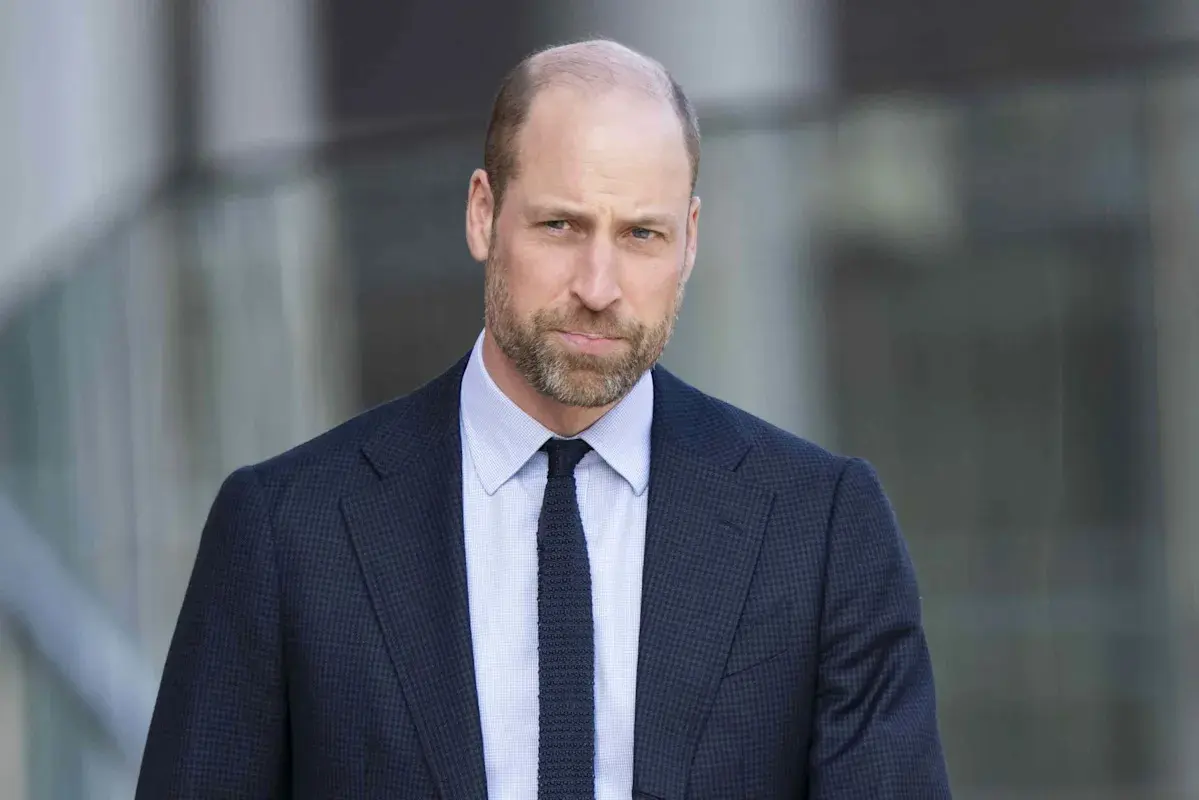
Prince William, the Prince of Wales, is increasingly seen as the decisive figure behind the British monarchy's handling of the Prince Andrew scandal, according to multiple royal experts and biographers. While King Charles III may sit on the throne, insiders claim it is William who 'calls the shots' when it comes to the fate of his uncle, Andrew Mountbatten-Windsor.
Andrew Lownie, author of Entitled: The Rise and Fall of the House of York, told The i Paper that William had 'a big influence' on his uncle's royal exile. King Charles, described as 'sentimental' and a 'ditherer,' struggled to act decisively against his younger brother. It was William's frustration that reportedly pushed the king to finally strip Andrew of all royal titles and privileges in October 2025, a move that turned the former prince into a commoner.
The situation escalated further in February 2026, when Andrew was arrested from his home on the Sandringham estate on his 66th birthday. The arrest marked a stunning fall from grace for the once-popular royal, whose association with convicted sex offender Jeffrey Epstein had long tainted the monarchy.
Royal correspondent Roya Nikkhah noted that 'William is someone who does hold a grudge, he does choose sides. If someone picks the other side, he remembers that.' This reputation for a long memory has served him well in navigating the delicate family dynamics within the House of Windsor.
Richard Fitzwilliams, a royal commentator, praised William's approach: 'William is our future king. Thank goodness he has a ruthless streak, as this is needed in today's world, especially with the monarchy among its most closely watched institutions. He's clearly an excellent judge of character and has deservedly won praise for his diplomatic skills.'
According to royal biographer Russell Myers, William wanted Andrew banished from royal life as far back as 2019, 'before the rot further set in.' In his biography William and Catherine, The Monarchy's New Era: The Inside Story, Myers wrote that William 'questioned what benefit his uncle was to the wider operation' and that the two 'had never seen eye-to-eye.'
'His view was crystal clear—Andrew shouldn't be anywhere near the family under any circumstances,' Myers wrote. 'Every single time there was a new revelation, it was a stain on all of the family.' Myers added that William made it clear that once he became king, there would be 'no such mercy.'
A source told Hello! magazine, 'Everyone knows William's feelings about his uncle. He's never had a close relationship with him.' This lack of closeness, combined with William's focus on the future of the monarchy, has driven his hardline stance.
Andrew Lownie further explained to People that William wants the Andrew mess 'cleaned out before he gets [on the throne]. He wants it dealt with now.' This forward-looking approach is characteristic of William, who has often been described as more pragmatic and less sentimental than his father.
Historian Ed Owens told The New York Times, 'If this episode drags on and on, it could tarnish the beginnings of a new reign.' William's insistence on resolving the Andrew issue before he becomes king is seen as a strategic move to protect the monarchy's reputation.
The Prince of Wales has also been praised for his diplomatic skills in handling other sensitive matters, including the rift between his brother Prince Harry and the rest of the family. While William is known to be cautious and deliberate, his handling of the Andrew scandal shows a willingness to take decisive action when necessary.
Prince Andrew's troubles began in earnest after his disastrous 2019 BBC Newsnight interview about his relationship with Epstein. The interview led to public backlash and eventually his stepping back from royal duties. For years, King Charles resisted stripping him of titles, but William's persistent pressure reportedly made the difference.
The monarchy is in a 'transitional phase,' experts say, with William increasingly taking on more responsibilities as Charles's health and age become concerns. This transition has given William more influence behind the scenes, even as he remains publicly loyal to his father.
Some royal observers believe that William's approach signals a shift toward a leaner, more accountable monarchy. He has already made changes to the way the royal family operates, including reducing the number of working royals and focusing on charitable initiatives that resonate with younger generations.
The fallout from the Andrew scandal is far from over. His arrest in February has led to calls for further investigations into his activities. Meanwhile, William continues to position himself as the future king who will not hesitate to make tough decisions for the good of the institution.
As one palace insider noted, 'William is not afraid to ruffle feathers. He knows what needs to be done and he will see it through.' This determination, combined with his growing influence, suggests that the Prince of Wales is already shaping the monarchy in his image, even before he ascends the throne.
Source: Yahoo Entertainment News