

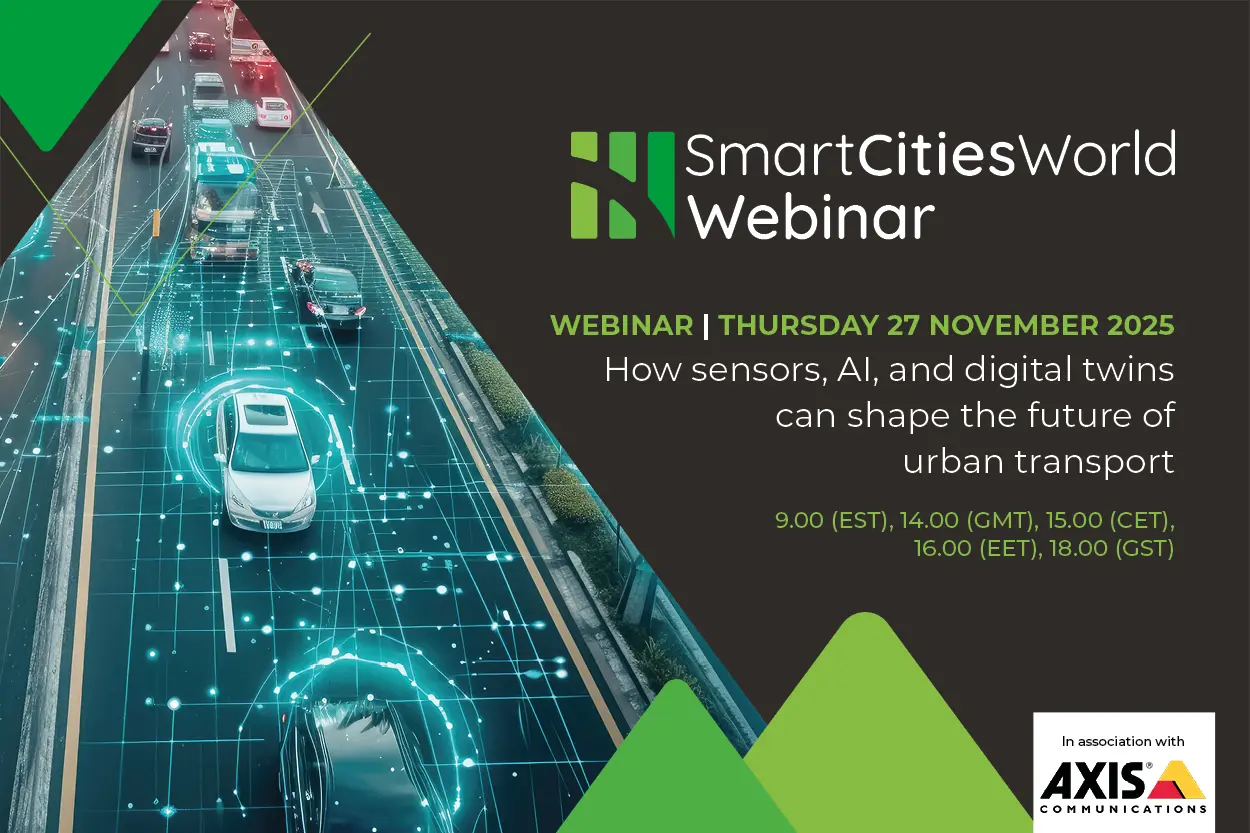
The integration of sensors, artificial intelligence (AI), and digital twins is fundamentally reshaping urban transport networks, promising enhanced efficiency, resilience, and sustainability. These technologies enable city planners and operators to simulate, monitor, and optimize traffic flows, public transit, and infrastructure in real time. As urban populations grow, the need for intelligent transport systems becomes increasingly critical.
Digital twins—virtual replicas of physical systems—allow cities to model complex interactions between vehicles, pedestrians, and infrastructure. By feeding real-time sensor data into AI algorithms, these twins can predict congestion, identify maintenance needs, and simulate the impact of new policies or construction projects. For example, a digital twin of a city’s road network can test the effects of introducing dedicated bus lanes or cycling paths before any physical changes are made.
The Role of Data and AI in Urban Transport
Data from sensors—such as traffic cameras, inductive loops, GPS trackers, and environmental monitors—provides the raw material for AI-driven insights. Machine learning models analyze historical and real-time data to forecast demand, optimize signal timings, and detect anomalies like accidents or road hazards. Public transit agencies use these tools to adjust schedules dynamically, reduce wait times, and improve passenger satisfaction.
ITU’s Cristina Bueti has emphasized that cities must prioritize interoperability, inclusivity, and human oversight now—before fragmented systems and vendor lock-in define the future of urban AI. This is crucial because without open standards, data silos can prevent different transport modes from communicating effectively, leading to suboptimal system performance. Inclusive design ensures that all citizens, including those with disabilities, benefit from smart mobility services.
Human oversight remains essential to ensure that AI decisions are ethical and transparent. For instance, if an AI system recommends rerouting traffic through a low-income neighborhood to ease congestion elsewhere, human judgment must consider equity implications. Cities are thus encouraged to establish governance frameworks that keep humans in the loop for critical decisions.
Designing Cities for Resilience
Woods Bagot’s Heinz von Eckartsberg and Impact Future’s Pablo Sepulveda have discussed designing cities for upstream resilience and downstream benefit. This approach means anticipating potential disruptions—from natural disasters to pandemics—and building flexibility into urban systems. Digital twins play a key role by allowing planners to stress-test infrastructure under various scenarios, such as extreme weather events or sudden population shifts.
Resilient design also involves integrating green infrastructure, like permeable pavements and urban forests, which can absorb stormwater and reduce heat island effects while enhancing transport corridors. Sensors monitor structural health of bridges and tunnels, feeding data back to digital twins that trigger early warnings if repairs are needed. This proactive maintenance reduces costly failures and extends asset lifetimes.
City Case Studies: Sunderland and Dublin
Sunderland, UK, has repositioned itself as a leading smart city, using digital infrastructure and low-carbon innovation to build a resilient, future-focused economy. The city has deployed a network of sensors across its transport system to monitor air quality, traffic flow, and energy use. A digital twin platform integrates this data to support decision-making for urban planning and emergency response. Sunderland’s approach demonstrates how smaller cities can leverage technology to attract investment and improve quality of life.
Dublin, Ireland, is innovating to improve experiences and services for its communities. The city has launched several digital twin projects focused on traffic reduction and economic growth. For example, a digital twin of Dublin’s city center helps planners simulate pedestrianisation schemes and optimise bus routes. The initiative also includes real-time passenger information systems that use AI to predict arrival times with high accuracy, reducing waiting anxiety and encouraging public transit use.
Smart Lighting as a Foundation
Smart lighting networks provide a robust backbone for urban sensor deployment. The second episode of the podcast series "Cities Thriving on Lighting" explores how cities can turn existing streetlight networks into secure, interoperable, and future-proof infrastructure. Modern LED fixtures can be equipped with sensors for traffic counting, air quality monitoring, and noise detection. These nodes communicate via low-power wide-area networks (LoRaWAN) or 5G, feeding data to central platforms.
The first episode of the same series examines the evolution of smart lighting from simple LEDs to fully connected, intelligent systems. Interoperability is key: cities must avoid proprietary solutions that lock them into single vendors. Open standards like TALQ and Zhaga ensure that lights from different manufacturers can work together, enabling scalability and competition. Smart lighting not only saves energy but also provides a cost-effective way to deploy sensors across the entire urban environment.
The Citiverse and Virtual Worlds
The UN Virtual Worlds Day event, as explained by Paul Wilson, explores how to turn AI, spatial intelligence, and the Citiverse ecosystem into trusted, people-centred outcomes. The Citiverse—a collective virtual space that mirrors the physical city—allows citizens, planners, and businesses to interact with urban data in immersive ways. For transport, this could mean walking through a digital twin of a new train station to identify bottlenecks, or participating in virtual town halls to discuss traffic calming measures.
Trust is central: citizens must have confidence that their data is secure and used ethically. Wilson argues that involving communities early in the design of virtual worlds fosters ownership and reduces resistance to smart city initiatives. The Citiverse can also serve as a sandbox for testing AI-driven transport policies before real-world implementation, minimizing risks.
Indoor Safety and Sensor Networks
While much focus is on outdoor transport, smart sensor networks also improve indoor safety in transport hubs like airports, train stations, and bus terminals. These sensors can detect smoke, gas leaks, or chemical agents early, enhancing situational awareness for security personnel. In a fire, digital twins can simulate evacuation routes and guide people to safety using intelligent signage. Healthier indoor environments are achieved through monitoring air quality, temperature, and humidity, which is particularly important in crowded transit settings.
Integrating indoor and outdoor digital twins provides a holistic view of the transport system. For example, a commuter’s journey from home to office can be tracked across public transit, pedestrian walkways, and the office building, with AI optimizing each segment for time, cost, and comfort.
Trend Reports and Climate Finance
An on-demand trend report panel discussion on "AI for Resilient Infrastructure – Sustainable Operations for Future-Ready Cities" highlights how AI can optimize energy use, reduce emissions, and extend asset life. Machine learning algorithms can predict when maintenance is needed, reducing downtime and operational costs. This is particularly important for aging transport infrastructure that requires careful stewardship.
A separate on-demand COP30 webinar, "Unlocking Climate Finance: Building City Capacity and Partnerships," addresses the funding challenge. Many cities lack the expertise to access green bonds, climate funds, or public-private partnerships. The webinar provides strategies for building financial capacity to invest in smart transport projects. For instance, cities can bundle sensor deployment with energy efficiency upgrades to attract investment from climate-focused lenders.
SmartCitiesWorld newsletters, both daily and weekly, compile the latest news and insights on these topics. They feature city interviews, special reports, and guest opinions that help professionals stay informed about emerging best practices.
The convergence of sensors, AI, and digital twins is not merely a technological trend but a fundamental shift in how cities approach mobility. By embracing interoperability, human oversight, and inclusive design, urban areas can create transport systems that are not only smarter but also more equitable and resilient. As Sunderland and Dublin demonstrate, the journey begins with data and a vision for a connected future.
Source: Smart Cities World News