

Introduction
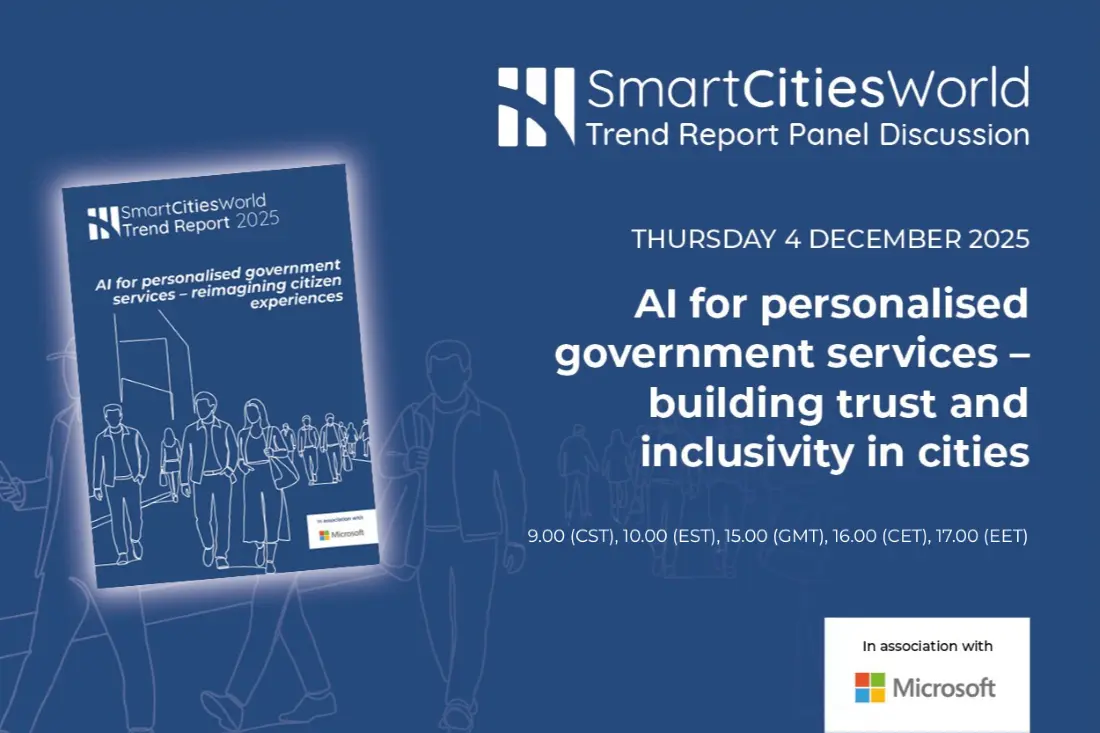
The rapid advancement of artificial intelligence (AI) is reshaping how cities deliver services to their residents. From traffic management to public safety and urban planning, governments are increasingly turning to AI-powered solutions to personalise interactions, improve efficiency, and foster trust. However, the path to truly inclusive and trustworthy AI systems is fraught with challenges related to data governance, vendor lock-in, and the digital divide. This article explores the latest trends and expert insights on how cities can harness AI for personalised government services while ensuring that no community is left behind.
The Role of AI and Digital Twins in Urban Transformation
AI-powered digital twins are emerging as a critical tool for urban infrastructure management. These virtual replicas of physical systems allow city planners to simulate scenarios, predict outcomes, and optimise operations in real time. For example, transport networks can use AI to analyse traffic flows, adjust signals dynamically, and provide personalised travel recommendations to citizens. Such systems not only improve efficiency but also enhance resilience by anticipating disruptions.
According to Cristina Bueti from the International Telecommunication Union (ITU), cities must prioritise interoperability, inclusivity, and human oversight now to avoid fragmented systems and vendor lock-in that could define the future of urban AI. Bueti emphasises that standards and open architectures are essential to ensuring that AI benefits all citizens equally.
Case Studies: Sunderland and Dublin Leading the Way
Sunderland is repositioning itself as a leading smart city by leveraging digital infrastructure and low-carbon innovation. The city's strategy focuses on building a resilient, future-focused economy through data-driven services. For instance, AI is used to personalise government communications, predict energy demand, and manage waste collection routes, directly engaging residents in co-creating solutions.
Dublin has also made strides in using AI to improve experiences and services for its communities. The city has launched digital twin projects that model traffic reduction scenarios, support economic growth, and enhance public participation. Dublin's open data initiatives empower citizens to access government information easily, fostering transparency and trust.
Trust and Inclusivity: A Human-Centric Approach
Personalisation in government services must be built on a foundation of trust. Citizens need to understand how their data is used and have control over it. This requires transparent algorithms, ethical AI frameworks, and inclusive design that considers diverse populations, including the elderly, people with disabilities, and low-income communities.
The concept of the Citiverse—a virtual ecosystem integrating AI and spatial intelligence—offers new ways to engage citizens in governance. The UN Virtual Worlds Day event, as highlighted by Paul Wilson, focuses on turning AI and the Citiverse into trusted people-centred outcomes. Such initiatives encourage public dialogue and co-creation, ensuring that technology serves the common good.
Upstream Resilience and Downstream Benefits
Heinz von Eckartsberg of Woods Bagot and Pablo Sepulveda of Impact Future discuss designing cities for upstream resilience and downstream benefit. This means anticipating future challenges—such as climate change, population growth, and resource scarcity—and embedding AI-driven adaptability into infrastructure from the outset. For example, AI can optimise building energy use, manage water resources, and coordinate emergency responses, all while respecting privacy and equity.
Smart Lighting and Sensor Networks
Another promising area is the transformation of streetlight networks into interoperable, secure infrastructure. The podcast series 'Cities Thriving on Lighting' by SmartCitiesWorld and Paradox Engineering examines how LEDs and connectivity enable data collection for personalised services, such as adaptive lighting that responds to pedestrian movement. Such networks can also support environmental monitoring and public safety.
Smart sensor networks further improve indoor safety by detecting risks like gas leaks or structural weaknesses early, improving situational awareness in buildings. These applications demonstrate tangible benefits of AI for both governments and citizens.
Conclusion
As urban populations grow, the demand for efficient, responsive government services will only increase. AI offers unprecedented opportunities to personalise these interactions, but success depends on a commitment to inclusivity and trust. Cities that prioritise open standards, citizen engagement, and ethical governance will be best positioned to harness AI's potential. By learning from early adopters like Sunderland and Dublin, and heeding expert warnings about vendor lock-in and fragmentation, urban leaders can build smarter, more equitable communities for all.
Ultimately, the future of personalised government services lies in a collaborative ecosystem where technology augments human decision-making and upholds democratic values. As we move forward, continuous dialogue between policymakers, technologists, and residents will be essential to ensure that AI serves the public good.
Source: Smart Cities World News