

Amazon attracted approximately $126 billion in peak demand for its bond sale on Tuesday, according to reports, marking one of the largest corporate debt offerings in history. The massive interest underscores continued strong appetite for debt from major technology companies, even as broader economic uncertainty persists. The sale, which includes up to 11 tranches on the US high-grade debt market ranging from two to 50 years, is part of Amazon's strategy to finance its ambitious spending on artificial intelligence infrastructure. In addition, the company is marketing an eight-part euro-denominated bond sale this week, signaling a global approach to raising capital.
Record Bond Demand Signals Investor Confidence
The $126 billion in orders surpasses many prior corporate bond sales, though it falls just short of Oracle's $129 billion peak demand in February and Meta's $125 billion in October. These figures highlight a trend: large tech firms are increasingly turning to debt markets to fund massive capital expenditures, particularly in AI. For Amazon, the bond sale comes after it raised $15 billion in its first US dollar debt offering in three years, which took place last November. Meanwhile, Google parent Alphabet raised more than $30 billion in combined dollar, sterling, and Swiss franc denominated debt just last month. The high demand reflects investors' belief in the long-term growth potential of AI, even as short-term returns remain uncertain.
The bond market climate has been favorable for blue-chip companies, with investors seeking safe-haven assets amid volatility in equities and geopolitical tensions. Amazon's strong credit rating — typically A1/A+/AA- from major agencies — allows it to issue debt at relatively low interest rates. The company's $126 billion in orders indicates that institutional investors are willing to lock in yields, viewing Amazon's AI investments as a positive driver for future earnings. Notably, the bond sale includes longer-dated maturities, such as 50-year tranches, which attract pension funds and insurers looking for long-term, stable income.
Massive Capital Spending on AI Infrastructure
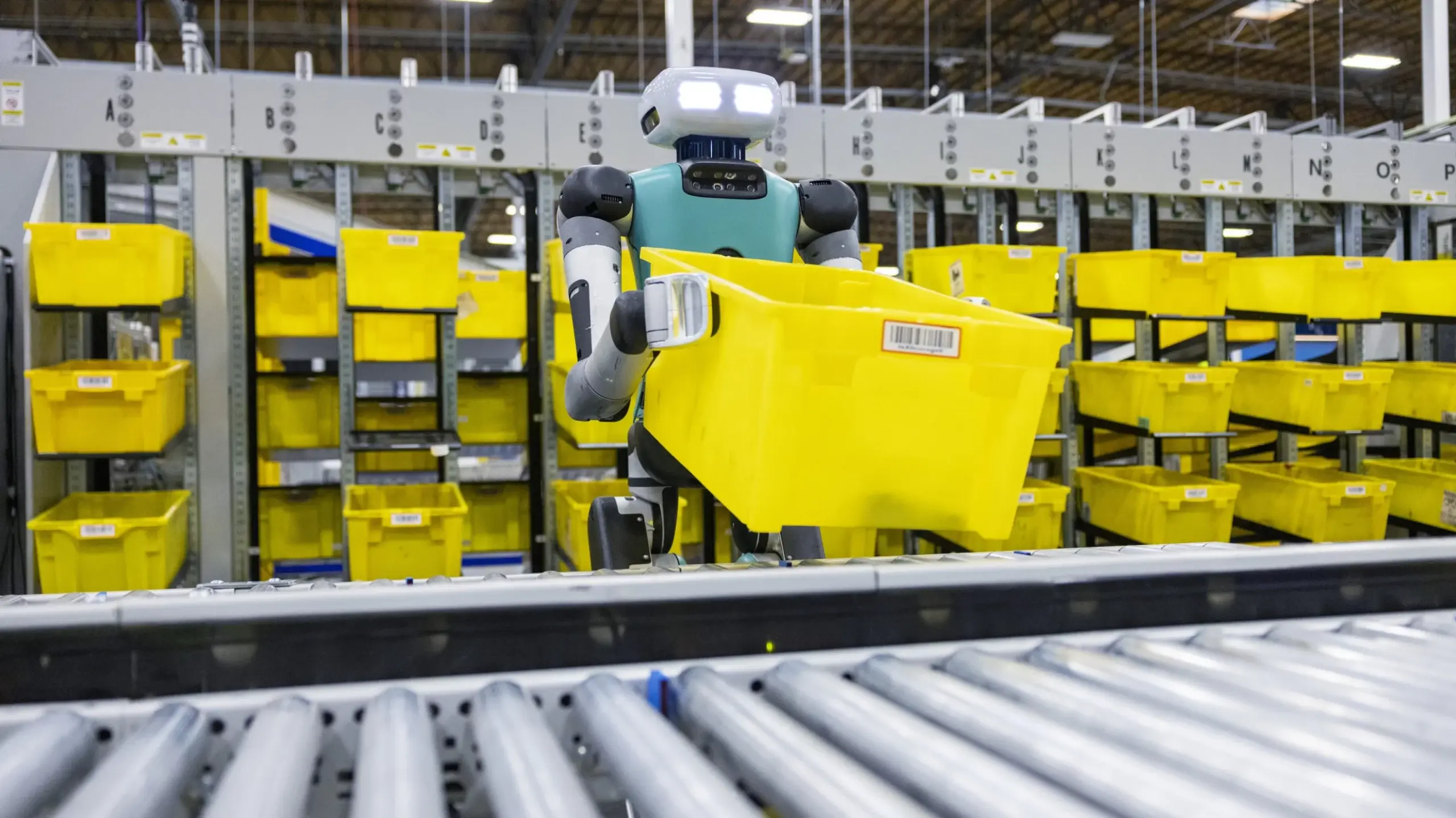
Amazon's capital expenditure plans for this year total $200 billion, a figure significantly higher than competitors Google and Microsoft. The bulk of this spending is directed toward AI infrastructure, including data centers, custom AI chips (like Trainium and Inferentia), and networking equipment. These investments are essential to support the growing demand for cloud computing services, particularly through Amazon Web Services (AWS), which offers AI services such as Amazon Bedrock, SageMaker, and code generation tools. The company is also expanding its robotics capabilities and investing in low Earth orbit satellite technology (Project Kuiper) to deliver broadband internet, which further requires substantial capital outlay.
In February, Amazon's shares fell after the company announced its $200 billion capex plan, as investors expressed concerns about the near-term profitability of such heavy spending. However, many analysts argue that AI infrastructure is a necessary investment for Amazon to maintain its competitive edge. The company's cloud revenue growth has been solid, with AWS generating over $90 billion in annual revenue, and AI services are seen as a key growth driver. Amazon is also investing in its own AI chips to reduce dependency on Nvidia, which currently dominates the AI chip market. Custom silicon could lower costs and improve performance for AWS customers, giving Amazon a strategic advantage.
AI Infrastructure Race Among Tech Giants
The debt-fueled spending on AI is not unique to Amazon. Google, Microsoft, and Oracle are all competing for a share of the AI market, which is expected to be worth over $1 trillion in the coming decade. Microsoft has committed billions to build data centers for its Azure cloud platform and to support its partnership with OpenAI, the creator of ChatGPT. Google is investing heavily in its Tensor Processing Units (TPUs) and has announced plans to increase capital expenditures significantly. Oracle has also pursued large bond sales to fund its cloud infrastructure, including $129 billion in orders in February. The race is intensifying as companies vie to offer the best AI models, training, and inference services to businesses.
However, the high spending has drawn scrutiny from investors who want to see a clear path to profitability. Many AI projects remain unprofitable, and the technical hurdles in scaling AI are significant. Amazon's recent decision to invest $4 billion in Anthropic, an AI startup, further demonstrates its commitment to developing advanced AI models. The company has also integrated generative AI into its core retail operations, using it for product recommendations, inventory management, and Alexa voice assistant improvements. These applications could eventually drive e-commerce growth and operational efficiency, offsetting the upfront costs.
CEO Andy Jassy's Vision for AI Leadership
"We're going to invest to be the leader in this space," Amazon Chief Executive Andy Jassy told investors on a recent call, justifying the company's spending on custom AI chips, robotics, and low Earth orbit satellites. Jassy has consistently argued that AI will transform virtually every industry, and Amazon must be at the forefront to capture long-term value. He emphasized that the company's investments are not reckless but are calculated bets on future revenue streams. For instance, Amazon's custom AI chips are being designed to handle large-scale machine learning workloads more efficiently, which could attract more customers to AWS. Additionally, the company's robotics investments aim to automate fulfillment centers, reducing labor costs and speeding up delivery.
Jassy also acknowledged the need for patience, stating that AI investments may not pay off immediately but will create significant value over the next decade. This perspective aligns with Amazon's historical approach of prioritizing long-term growth over short-term profits. The company has a track record of heavy spending in areas like cloud computing and logistics, which eventually yielded massive returns. Amazon's debt financing allows it to make these investments without diluting existing shareholders through stock issuance, and the bond market's strong demand indicates that many investors share Jassy's conviction.
Market Conditions and Investor Skepticism
Despite the record bond demand, the broader market has grown cautious about AI spending. Earlier this year, some analysts questioned whether the billions being poured into AI data centers would generate adequate returns, especially given the high energy costs and technical challenges. The recent slowdown in the pace of AI adoption in some sectors has fueled skepticism. However, Amazon's bond sale success suggests that fixed-income investors are more optimistic than equity investors about the company's prospects. The high-grade debt market is often seen as a barometer of corporate health, and Amazon's ability to draw $126 billion in orders indicates that credit markets view the company as a solid bet.
Economic conditions remain turbulent, with inflation, interest rates, and geopolitical uncertainties affecting global markets. In such an environment, investors seek safety in well-rated corporate bonds. Amazon's debt offering provides a relatively low-risk way to gain exposure to the AI theme. The company's strong cash flow generation — over $30 billion in free cash flow in the last twelve months — ensures that it can service its debt obligations even if AI investments take longer to mature. Amazon's balance sheet is solid, with a manageable debt-to-equity ratio compared to some other tech companies that have also been heavy borrowers.
The bond sale is also a strategic move to lock in current interest rates, which, while elevated historically, are still attractive for long-term borrowing. By issuing long-dated bonds, Amazon can secure fixed interest rates for decades, protecting itself against future rate increases. This is particularly important given the long gestation period of AI infrastructure projects, which can take years to become fully operational and revenue-generating.
In summary, Amazon's record-breaking bond demand underscores the tech industry's relentless push into artificial intelligence. The company is leveraging its creditworthiness to finance a $200 billion capital expenditure plan that will shape its competitive position for years to come. As the AI race heats up, Amazon, Google, Microsoft, and others are using the debt markets to fund their ambitions, betting that today's massive spending will yield tomorrow's technological breakthroughs and financial rewards. Whether those bets pay off remains to be seen, but for now, investors are showing strong confidence in Amazon's vision and financial discipline.
Source: Silicon UK News