

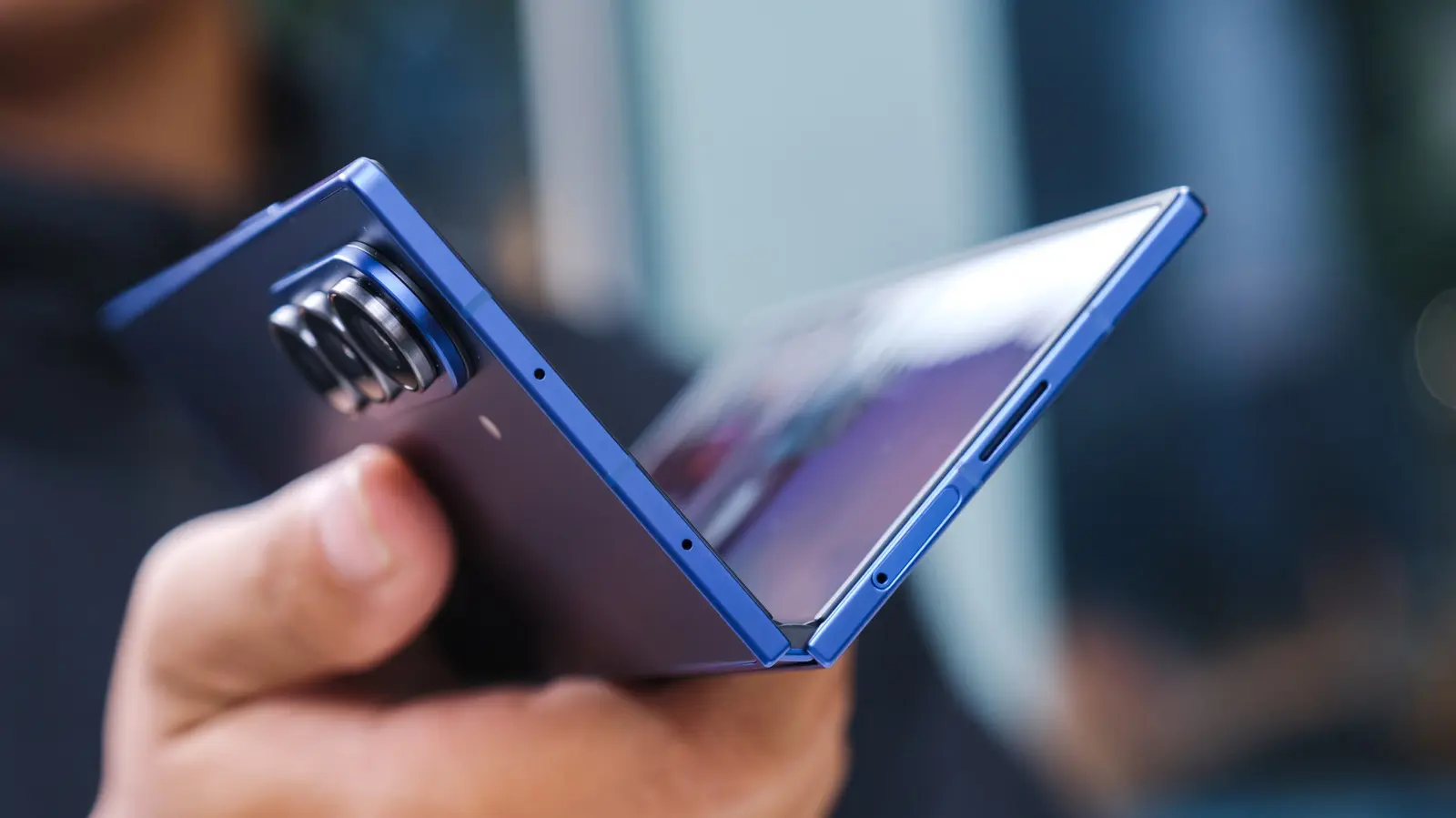
When the company named Royale revealed the first-ever foldable phone to the world, the Royal FlexPai, everyone was amused. However, it was Samsung, with its Galaxy Fold in 2019, that brought foldable phones to the mainstream. Still, for a long time, foldables were only accessible to early adopters and people with deep pockets. Speaking of the current situation, the scenario has completely changed. There are several brands with their hands deep in the foldable smartphone category, with some offering budget foldables as well.
We have foldables in two forms, flip-style and book-style, each with its unique selling points. Picking the best ones isn't just about one spec on the spec sheet. It boils down to how these phones stand up in daily use –- the hinge quality, the software quirks, the display crease, etc. The good thing is that each folding smartphone on the market isn't the same, and each has its own USP.
Some of the folding smartphones are available everywhere, including the U.S., but a few are harder to get and are restricted to specific markets. That is worth knowing before you fall in love with one. Whether you want a folding smartphone that flips down or something that opens up to a tablet, here are 10 of the best folding smartphones you can buy today.
Samsung Galaxy Z Fold7
The Samsung Galaxy Z Fold7 leads the list as the company's best foldable available. It is slimmer and lighter than its predecessor, feeling closer to a standard Galaxy S25 Ultra in hand. Key upgrades include a 200MP primary camera (up from 50MP), a 10MP selfie camera, a larger battery, and a new processor. The display is more durable, surviving 500,000 fold cycles. Performance is top-notch with Galaxy AI, and cameras now rival Samsung's Galaxy S Ultra phones.
Samsung Galaxy Z Flip7
For those preferring flip-style foldables, the Galaxy Z Flip7 is the most approachable option from Samsung. It offers a bigger cover display than its predecessor but does not unfold into a tablet. The camera setup includes a 50MP + 12MP combo. A notable downside is the Exynos 2500 chipset, which lags behind the Snapdragon 8 Elite in the Z Fold7. However, for normal usage, it holds up fine.
Samsung Galaxy Z TriFold
Samsung entered the tri-fold segment with the Galaxy Z TriFold, unveiled at CES 2026. It folds twice to unveil a 10-inch tablet that fits in a pocket. Unlike Huawei's accordion-style, Samsung's TriFold opens like the letter "C." The phone was produced in limited quantities and is no longer officially available, but can be found in secondary markets.
Motorola Razr (2026)
The Motorola Razr 2026 offers a flip-style foldable at a more affordable price. It features a vegan leather back, a titanium hinge, IP48 dust and splash resistance, and minimal display crease. Powered by a MediaTek chipset, it handles everyday tasks smoothly. It is an excellent entry point for those new to foldables.
Motorola Razr Ultra (2026)
The Razr Ultra 2026 targets the premium segment with a bigger battery and upgraded camera, but comes with a $200 price increase over its predecessor. SlashGear praised its battery life, sturdy chassis, and spectacular display. Downsides include similar AI features to last year's model and slower charging unless using special adapters. It offers an extra year of software updates compared to the 2025 model.
Motorola Razr Fold
Motorola's first book-style foldable, the Razr Fold, packs a 6,000 mAh battery with 80W fast charging—outpacing the Galaxy Z Fold7's 25W charging. It features a triple 50MP camera setup and a powerful silicon-carbon battery. While not as thin or light as the Z Fold7, it offers great value at a lower price. SlashGear called it the best book-style foldable yet.
Google Pixel 10 Pro Fold
The Pixel 10 Pro Fold, launched in 2025, delivers a polished software experience with Gemini AI. It runs on Google's Tensor G5 chip, which prioritizes AI tasks over raw performance. The phone promises seven years of software updates. Cameras produce natural-looking photos, and the UI is clean with minimal bloatware. It is ideal for those invested in the Google ecosystem.
Honor Magic V6
The Honor Magic V6 is exceptionally thin (4mm when opened) and features an IP68 and IP69 water resistance rating—a first for foldables. It packs a 6,660 mAh battery and a 5,000 nits peak brightness display with Anti-Scratch NanoCrystal Shield. However, it lacks Android OS and 5G support, and is not officially sold in the U.S. It is a technical marvel for enthusiasts willing to import.
Huawei Mate X7
Huawei's Mate X7 excels in camera performance with a variable aperture main sensor and Ultra Lighting HDR, considered the best camera on a foldable. It uses the Kirin 9030 chipset on a 6nm node, offering real performance gains. Like Honor, it lacks Android OS and 5G support, and is unavailable in the U.S. It remains a top choice for camera-centric users.
Huawei Mate XT
The Huawei Mate XT is the world's first triple-folding phone, unfolding to a 10.2-inch tablet just 3.6mm thick. It launched at $2,800 and is not sold in the U.S. The phone has a 5,600 mAh battery with silicon-carbon anodes. While expensive and limited in software, it represents an ambitious piece of technology for those seeking the ultimate folding experience.
Source: SlashGear News