

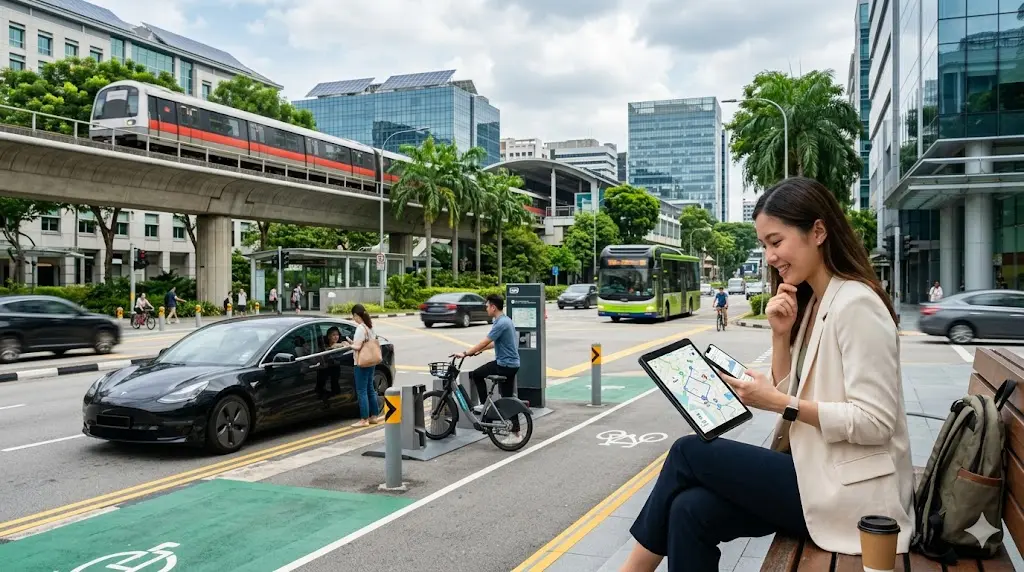
Why financial literacy is influencing future transportation trends comes down to one simple reality: consumers, businesses, and governments are making transportation decisions based on long-term costs rather than upfront prices alone. Better financial knowledge is shaping vehicle ownership, public transit adoption, electric mobility investments, and the future of smart transportation systems.
Why financial literacy is influencing future transportation trends has become an increasingly important topic as transportation costs continue to evolve. Whether someone is buying an electric vehicle, using ride-sharing services, investing in fleet operations, or choosing public transportation, financial understanding now plays a major role in decision-making.
Here's the thing: transportation isn't just about getting from one place to another anymore. It's also about budgeting, long-term savings, financing options, energy costs, and return on investment. As financial literacy improves across different demographics, transportation markets are experiencing shifts that could reshape mobility for decades to come.
What Is Why Financial Literacy Is Influencing Future Transportation Trends?
Financial Literacy in Transportation: The ability to understand and apply financial concepts when making transportation-related decisions, including vehicle purchases, mobility subscriptions, fuel expenses, maintenance costs, and infrastructure investments.
Why financial literacy is influencing future transportation trends refers to the growing connection between financial education and transportation choices made by consumers, businesses, and policymakers.
Research in this area examines:
Vehicle ownership costs
Transportation budgeting
Mobility-as-a-service adoption
Electric vehicle economics
Public transit investments
Fleet management decisions
Infrastructure funding strategies
Consumer purchasing behavior
Unlike previous generations that often focused on purchase price alone, many consumers today evaluate transportation through a broader financial lens.
Expert Tip
In my experience, people who calculate total ownership costs often make dramatically different transportation choices than those who focus only on monthly payments.
Why Financial Literacy Is Influencing Future Transportation Trends in 2026
Transportation systems are becoming more complex, and financial awareness is becoming more valuable.
Several factors explain why this connection matters so much in 2026.
Consumers Are Comparing Total Ownership Costs
Vehicle prices receive most of the attention.
Yet ownership involves much more than the sticker price.
Fuel expenses, insurance premiums, maintenance costs, taxes, and depreciation significantly influence long-term affordability.
Financially informed consumers increasingly evaluate these factors before making purchasing decisions.
Electric Vehicle Adoption Is Becoming More Financially Driven
Many discussions about electric vehicles focus on environmental benefits.
What most people overlook is that cost savings often motivate purchasing decisions just as much as sustainability concerns.
Consumers are comparing charging costs, maintenance requirements, and long-term operating expenses against traditional vehicles.
Subscription-Based Transportation Is Expanding
Mobility subscriptions, ride-sharing services, and vehicle leasing options are gaining popularity.
Financial literacy helps consumers determine whether flexible transportation models offer better value than traditional ownership.
Businesses Are Optimizing Fleet Investments
Organizations are using financial analysis to improve transportation efficiency.
Fleet operators increasingly evaluate lifecycle costs rather than focusing exclusively on acquisition expenses.
Infrastructure Investments Require Public Understanding
Governments and municipalities face difficult transportation funding decisions.
Financially informed citizens are often better equipped to evaluate the costs and benefits of major transportation projects.
Expert Tip
When evaluating transportation investments, always compare five-year ownership costs rather than first-year expenses. That simple shift often changes the entire financial picture.
How to Use Financial Literacy to Make Better Transportation Decisions
Financial literacy can help individuals and organizations make smarter mobility choices.
1: Calculate Total Transportation Costs
Start with the complete financial picture.
Include:
Purchase price
Fuel or energy costs
Insurance expenses
Maintenance requirements
Depreciation impact
Many consumers underestimate these ongoing expenses.
2: Compare Transportation Alternatives
Evaluate all available options.
Public transportation, vehicle ownership, ride-sharing services, and subscription models may offer different financial advantages depending on individual circumstances.
3: Analyze Long-Term Value
Short-term affordability doesn't always mean long-term savings.
Look beyond monthly payments and assess overall financial impact.
4: Understand Financing Options
Interest rates, loan terms, and financing structures affect affordability.
Even small differences in financing conditions can significantly influence total costs.
5: Consider Technology Trends
Emerging transportation technologies may create future savings opportunities.
Smart mobility solutions, connected vehicles, and electric transportation options continue to evolve.
6: Review Transportation Spending Regularly
Transportation needs change over time.
Periodic financial reviews help ensure current choices remain aligned with personal or organizational goals.
Common Mistake or Misconception
Cheapest Option Always Saves the Most Money
This belief causes many transportation decisions to backfire.
A lower-priced vehicle might require expensive maintenance. A seemingly affordable transportation solution may generate higher long-term costs.
Here's a somewhat surprising reality.
More expensive options sometimes produce greater overall savings because of lower operating costs and stronger reliability.
I've watched businesses purchase lower-cost fleet vehicles only to spend substantially more on repairs within a few years. The initial savings disappeared quickly.
Expert Tips and What Actually Works
Organizations and consumers that make strong transportation decisions often follow several principles.
Focus on Lifetime Value
Short-term thinking creates expensive mistakes.
Financially informed buyers typically evaluate ownership costs across multiple years.
Use Data Rather Than Assumptions
Transportation costs can vary significantly.
Actual operating data provides better guidance than assumptions or marketing claims.
Understand Opportunity Costs
Every transportation investment affects other financial opportunities.
Money allocated toward transportation cannot be invested elsewhere.
Evaluate Flexibility
Transportation markets continue to evolve.
Flexible solutions sometimes provide better financial outcomes than long-term commitments.
My Personal Take
One of the biggest shifts I see coming isn't necessarily technological. It's financial. As consumers become more financially educated, transportation companies may need to compete more aggressively on long-term value rather than simply advertising attractive upfront pricing.
Real-World Example
Imagine two professionals with similar commuting needs.
The first purchases a vehicle based primarily on monthly affordability. The second analyzes fuel efficiency, insurance costs, maintenance projections, and resale value before making a decision.
Five years later, the second individual has spent substantially less despite choosing a vehicle with a higher purchase price.
That scenario happens more often than many people realize.
Expert Tip
Transportation technology changes rapidly, but financial fundamentals remain remarkably consistent. Understanding costs, risks, and long-term value will probably remain one of the strongest decision-making advantages available.
People Most Asked About Why Financial Literacy Is Influencing Future Transportation Trends
What is financial literacy in transportation?
Financial literacy in transportation refers to understanding costs, financing, ownership expenses, and economic factors that influence transportation decisions.
Why does financial literacy affect vehicle purchases?
Consumers who understand total ownership costs are more likely to compare fuel expenses, maintenance requirements, insurance costs, and depreciation before making purchasing decisions.
How does financial literacy influence electric vehicle adoption?
Many consumers evaluate electric vehicles based on long-term operating costs and potential savings. Financial knowledge helps them assess whether these vehicles fit their economic goals.
Can financial literacy improve public transportation adoption?
Yes. People who compare transportation expenses objectively may recognize situations where public transit provides better financial value than private vehicle ownership.
How does financial literacy impact businesses?
Organizations use financial analysis to optimize fleet management, transportation investments, operational efficiency, and long-term mobility strategies.
What transportation trend is most affected by financial literacy?
Mobility-as-a-service models, electric vehicle adoption, subscription transportation services, and shared mobility solutions are strongly influenced by consumer financial awareness.
Will financial literacy continue shaping transportation?
Most likely. As transportation systems become more technologically advanced and financially complex, informed decision-making will become even more important.
Final Thoughts
Why financial literacy is influencing future transportation trends extends far beyond budgeting. Financial knowledge is helping consumers evaluate ownership costs, encouraging businesses to optimize transportation investments, and shaping how governments approach infrastructure development.
As mobility solutions continue evolving, financially informed decision-making will likely become one of the most important factors influencing transportation adoption, innovation, and long-term sustainability. People who understand the economics behind transportation choices are often better positioned to benefit from emerging opportunities while avoiding costly mistakes.
Businesses seeking stronger brand visibility and measurable growth can combine business press release services with professional business listing services. Generate high authority backlinks, improve SEO ranking, increase organic traffic, secure broader media coverage, and benefit from instant publishing solutions designed for agencies, startups, bloggers, and SEO professionals aiming to expand their digital presence.