

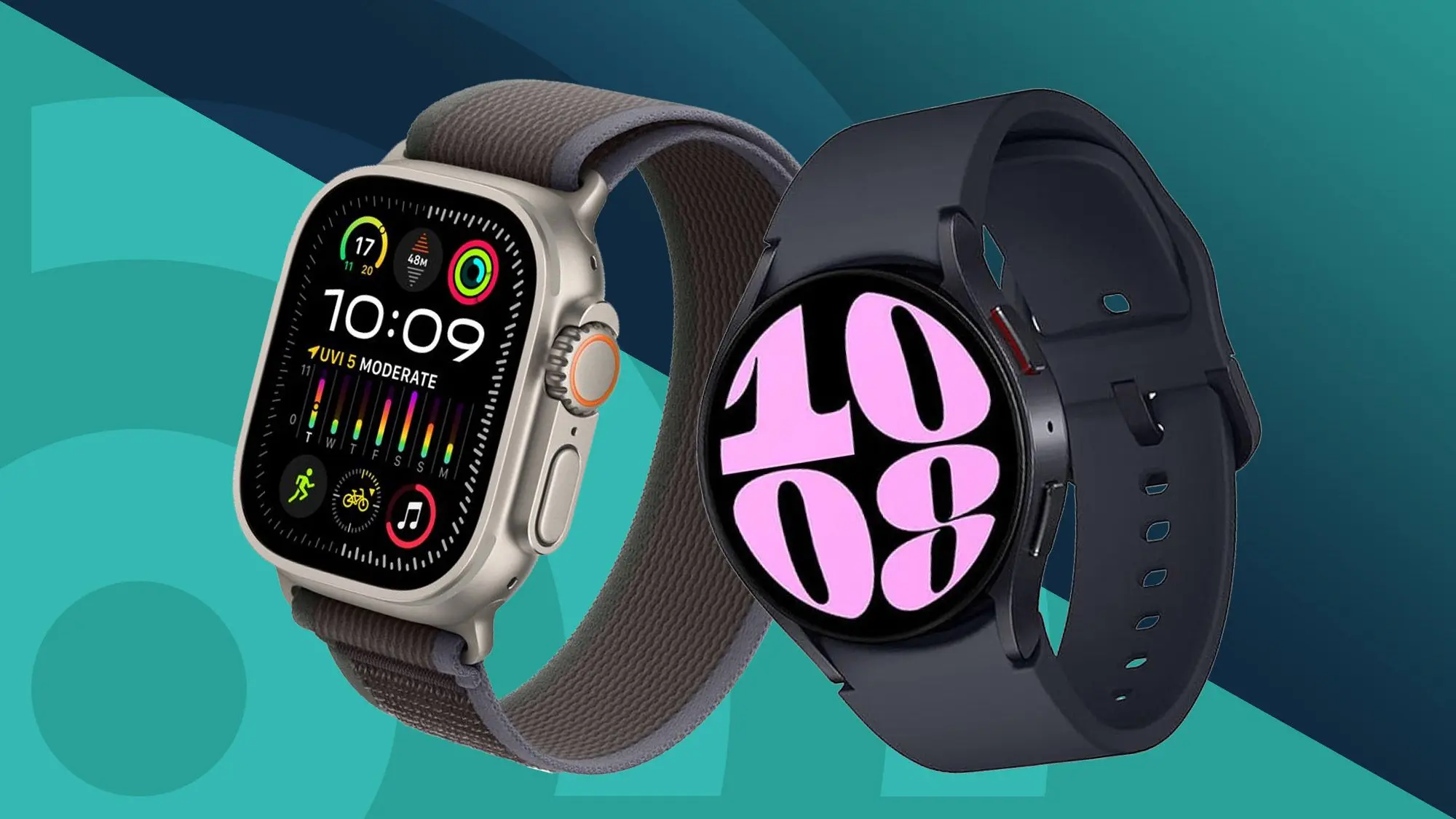
The smartwatch has evolved from a simple notification mirror to an essential health hub, fitness coach, and connectivity tool. In 2026, the market offers an unprecedented range of devices, each tailored to different needs—whether you're an athlete tracking every metric, a health-conscious individual monitoring vital signs, or someone who values seamless integration with their smartphone. This guide presents the best smartwatches of 2026, highlighting what makes them top-tier wearable tech and fitness trackers.
The Evolution of Smartwatches: A Brief Background
Smartwatches have come a long way since the first Pebble and early Android Wear devices. The past decade has seen rapid advancements in sensors, battery technology, and software. By 2026, wearables are capable of medical-grade health monitoring, including ECG, blood oxygen saturation, skin temperature, and even non-invasive glucose monitoring in some models. The integration of AI-driven insights means these devices can predict health issues before they become serious. Fitness tracking has also become more sophisticated, with multi-sport modes, advanced GPS, and personalized training plans.
Top Smartwatches of 2026
Apple Watch Series 10
Apple continues to dominate the premium smartwatch segment. The Series 10 introduces a larger, always-on display with improved energy efficiency. Key health features include sleep apnea detection, blood pressure monitoring, and a new mental wellness tracker that uses heart rate variability and activity patterns to gauge stress levels. The watchOS 10 software introduces an intuitive smart stack for widgets and enhanced workout metrics. Battery life has improved to 36 hours on a single charge, a significant step up from previous generations. For fitness enthusiasts, the Series 10 offers automatic exercise detection for more than 80 activities, custom interval training, and a new F3 (Fitness, Frequency, and Form) score that summarizes your overall readiness.
Samsung Galaxy Watch 7 Pro
Samsung's flagship wearable, the Galaxy Watch 7 Pro, runs on Wear OS with One UI Watch 6. It features a robust titanium case and sapphire crystal glass, making it durable for outdoor adventures. The BioActive sensor now includes a photoplethysmography (PPG) sensor array for more accurate heart rate monitoring and a new sensor for continuous blood glucose level estimation (non-invasive). The watch includes a barometric altimeter, compass, and dual-frequency GPS for precise location tracking even in urban canyons. Battery life extends up to 4 days with typical use, thanks to a larger cell and optimized software. The Galaxy Watch 7 Pro also integrates tightly with Samsung Health, offering body composition analysis, sleep coaching, and guided breathing exercises.
Garmin Fenix 8
For serious athletes and outdoor explorers, the Garmin Fenix 8 remains the gold standard. The Fenix 8 introduces a solar charging lens that extends battery life indefinitely in certain modes. It includes multi-band GPS (L1+L5) with SatIQ technology to auto-select the best satellite mode for accuracy and battery conservation. New for 2026 is the Enduro X training metrics, which include real-time stamina monitoring, power guide for smart pacing, and trail run VO2 max estimates. The watch also features an LED flashlight for safety, topo maps with trail navigation preloaded, and a new Incident Detection algorithm that can automatically alert emergency contacts if a fall or accident is detected during an activity. With up to 30 days of battery life in smartwatch mode (solar assisted), the Fenix 8 is built for endurance.
Fitbit Sense 3
Google-owned Fitbit continues to innovate with the Sense 3, focusing on holistic health and stress management. The Sense 3 includes an advanced electrodermal activity (EDA) sensor for continuous stress detection, an electrocardiogram (ECG) app, and a new skin temperature sensor for fever tracking. The device offers a Daily Readiness Score, Sleep Score, and Stress Management Score, all backed by Google's machine learning algorithms. The Sense 3 is also the first Fitbit to feature on-device Google Maps navigation and Google Assistant voice commands. Battery life is rated at 7 days, which is excellent for a full-featured smartwatch. Fitbit Premium subscription offers deeper insights, guided programs, and a new "Mindful Minutes" feature that integrates meditation and breathing exercises.
Suunto Race S
Suunto, popular among trail runners and divers, released the Race S, a mid-range watch that offers premium features. It includes wrist-based heart rate with Suunto's FusedAlgo for accurate readings during intense activities, barometric altimeter, and compass. The Race S supports over 100 sport modes, and its new Race Pace feature helps runners maintain target pace on race day. The watch is water-resistant to 100 meters and has a dive mode for snorkeling and freediving. Battery life reaches up to 10 days with regular use. The Suunto app provides detailed post-workout analysis and training load management.
Key Features That Define Top-Tier Wearables in 2026
Health Monitoring Beyond the Basics
The best smartwatches of 2026 go beyond step counting and heart rate. They incorporate medical-grade sensors that monitor blood oxygen, ECG, skin temperature, and sleep stages. Some models now offer fall detection, emergency SOS, and irregular heart rhythm notifications. The integration of AI means these devices can provide early warnings for conditions like atrial fibrillation or sleep apnea.
Advanced Fitness Tracking
Whether you're a casual walker or an ultra-marathon runner, modern smartwatches offer personalized training plans, recovery insights, and performance metrics. Features like GPS with multi-band support, running power, swimming metrics (SWOLF, stroke type), and golf shot tracking are common. The ability to sync with third-party apps like Strava, TrainingPeaks, or Apple Health is essential.
Battery Life and Charging
Battery life remains a critical factor. Premium watches now offer means to extend battery life through solar charging or power-saving modes. Fast charging has become standard, with many models achieving a full charge in under an hour. Some watches, like those from Garmin, can last weeks between charges in smartwatch mode.
Connectivity and Ecosystem
Seamless integration with smartphones, smart home devices, and voice assistants (Siri, Google Assistant, Bixby) is expected. The ability to make and receive calls from the wrist (eSIM capable), stream music, and access messaging apps adds convenience. Contactless payments through Google Pay, Apple Pay, or Samsung Pay are now ubiquitous.
How to Choose the Right Smartwatch for You
Consider your primary use: if you are deeply embedded in the Apple ecosystem, an Apple Watch is the obvious choice due to its seamless integration and best-in-class health features. Android users may prefer Samsung's Galaxy Watch for its cohesive experience with Samsung phones, or a Wear OS watch from other brands like Google Pixel Watch. For athletes, Garmin offers unrivaled battery life and training metrics. Those focused on general wellness might find Fitbit's simplicity and long battery life appealing. Budget-conscious buyers should look at models like the Amazfit T-Rex 3 or the Huawei Watch GT 5, which offer robust features at lower prices.
The Future of Wearable Technology
Looking ahead, smartwatches are likely to incorporate even more medical-grade sensors, such as continuous glucose monitoring (CGM) without the need for a separate patch, blood pressure monitoring that rivals arm cuffs, and even hydration sensors. The form factor may evolve, with flexible displays and modular bands that can house additional sensors. Artificial intelligence will play a bigger role in predictive health analytics, alerting users to potential issues days before symptoms appear. Data privacy and security will remain a concern, and manufacturers are investing in on-device processing to minimize data transmission. Environmental sustainability is also becoming a factor, with brands using recycled materials and offering repairability.
The best smartwatch for you depends on your lifestyle, health goals, and device preferences. The models featured here represent the state of the art in 2026, each excelling in specific areas. By focusing on the features that matter most to you—whether it's battery life, health sensors, or fitness tracking—you can find a wearable that truly enhances your daily life and helps you achieve your wellness goals.
Source: TechRadar News