

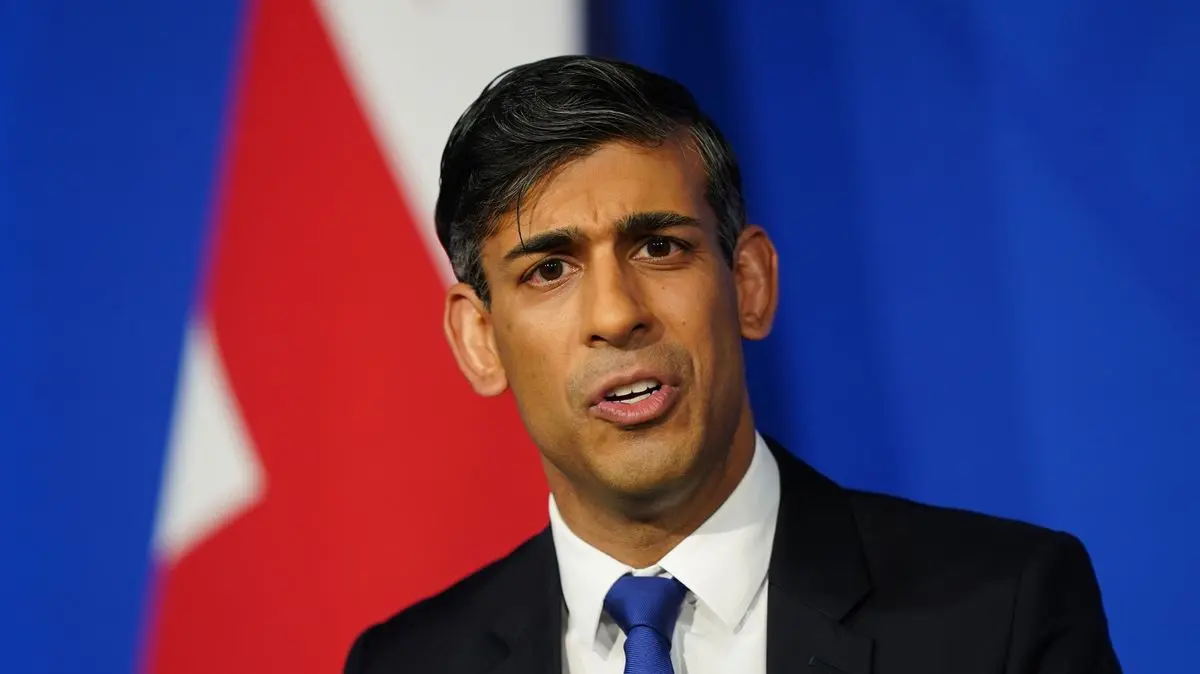
Fresh transparency data has exposed the scale of outside earnings among serving MPs, with former Prime Minister Rishi Sunak and Reform UK leader Nigel Farage topping the list. The figures were published by campaign group 38 Degrees through a new transparency website designed to make the register of members’ interests easier to understand. They have intensified pressure on ministers to restrict paid second jobs in Parliament.
According to the figures, Mr Sunak has received £2.3m on top of his MP salary since the general election. Mr Farage, who is already facing a standards investigation over a £5m gift from cryptocurrency billionaire Christopher Harborne, has recorded £1.4m in income, gifts, hospitality or paid work during the same period. The disclosures come as a petition calling for an outright ban on most outside employment for MPs has been signed by more than 55,000 people.
How Rishi Sunak built up more than £2m in outside income
The former Conservative prime minister has declared more than £1m from Goldman Sachs since the general election. He also earns around £373,000 a year from Anthropic Public Benefit Corporation, an American artificial intelligence company, according to the register of members’ interests.
His speaking and fellowship roles have generated further substantial sums. Mr Sunak has received more than £555,000 through the Washington Speakers Bureau, and he has been paid nearly £200,000 by the Hoover Institution, a think tank based at Stanford University in the United States, where he serves as a distinguished visiting fellow.
These payments relate to a relatively small number of appearances and advisory arrangements, but they dwarf the normal salary of a Member of Parliament. MPs are currently paid £98,500 a year. Critics say the accumulation of such sums by a former head of government, while he continues to sit in the Commons, weakens public confidence in politics.
Nigel Farage’s many income streams
Mr Farage has long defended his decision to continue commercial activity while serving as an MP. His declared earnings include £496,000 from Direct Bullion, a gold-selling company; £427,394 from GB News for his television programme; and more than £40,000 from personalised Cameo videos, in which members of the public pay for short messages from celebrities and public figures.
In June, it emerged that Mr Farage had earned approximately £270,000 for just 12 hours’ work promoting gold bullion. His entry in the register of interests has become one of the most scrutinised in Parliament because of the number and variety of roles he holds. MPs from several parties have expressed disbelief that such arrangements remain lawful under the present rules.
Since being elected in July 2024, Mr Farage has declared at least 16 outside sources of income. Parliamentary records cited during a recent Westminster Hall debate indicate that these commitments have taken up around 140 days of paid work. To his critics, that is evidence that a political career is being treated as only one part of a diversified personal portfolio.
Campaigners say being an MP should be a full-time job
38 Degrees campaign director Veronica Hawking said the latest figures had increased the public’s sense that too many politicians are not fully focused on representation. “Voters rightly believe that being elected as a Member of Parliament is a privilege, and representing the best interests of constituents should be a full time job,” she said.
“But the high profile cases we’ve seen of vested interests, side hustles and second jobs, with a number of MPs raking in hundreds of thousands of pounds on top of their parliamentary salary, has fuelled cynicism and distrust amongst many voters.”
Ms Hawking also called on political leaders to act. “Andy Burnham has signalled that he wants to clean up politics,” she said. “If he’s serious about doing so, he must strengthen the Representation of the People Bill to clamp down on second jobs and outside interests, so that voters can feel confident their MP is working for them, and them alone.”
The Bill is currently making its way through Parliament, but campaigners argue it does not go far enough. They want a statutory ban on almost all paid external employment for MPs, with only narrowly defined professional work exempted.
Richard Burgon and the case for a ban
Labour backbencher Richard Burgon has introduced legislation designed to prohibit most second jobs and has become one of the most prominent parliamentary voices in the campaign. Speaking in the Westminster Hall debate, he said an MP’s salary already placed them among the highest earners in the country.
“Being an MP is a privilege, a well-paid privilege,” he said. “The nearly £100,000-a-year salary places us in the highest 5% of earners in the country. So being an MP should be a full time job. The public elected us to represent them, to fight their corner and to devote our time to their concerns. They don’t elect MPs to spend their time lining their pockets. And when MPs do that, they shortchange the public who pay them and they undermine our democracy.”
The debate reflected growing cross-party frustration with the existing system. At present, MPs are free to take on as much paid outside work as they choose, provided they declare their hours and earnings. There is no cap on total income or on the number of hours that can be spent on external roles. Critics argue that a register of interests cannot fully remedy what is essentially a standards problem. Merely telling voters about outside earnings does not make it acceptable, they say, for an MP to devote hundreds of hours to commercial clients rather than constituents.
Other high earners in Parliament
The new data identifies several other MPs with major outside incomes. Conservative former attorney general Sir Geoffrey Cox appears with declared earnings of £1m since the general election. Rupert Lowe, leader of the Restore Britain party and formerly associated with Reform UK, is listed with £688,000. Labour’s Deputy Prime Minister Angela Rayner has declared £410,000.
These figures include income from different sources, not all of which involve ongoing employment. They may include fees for newspaper columns, television appearances, consultancy arrangements, speaking engagements, and book advances. Campaigners have long argued that the public has a right to know not only how much MPs earn, but how much time they spend earning it.
The new portal was created to make that information easier to digest. Rather than forcing voters to search through long PDF versions of the register of members’ interests, it aggregates and presents the data in a searchable format. Its launch is part of a wider push by 38 Degrees to make standards in public life a central political issue.
What could change
The Government is said to be examining tighter regulation of outside employment for MPs. The Commons Committee on Standards is also investigating the rules governing external earnings. Any major change would probably require primary legislation, which is why campaigners are focusing on the Representation of the People Bill now before Parliament.
Possible reforms range from an outright ban on paid second jobs to a more limited restriction, such as a maximum number of paid hours or a lower earnings threshold. Some MPs have suggested that only paid work necessary to maintain professional accreditation should be permitted. That would allow a small number of lawmakers who work in medicine or law to keep their clinical or legal skills current while still representing constituents.
Supporters of that approach argue that a doctor who treats patients or a lawyer who appears in court is not merely topping up their income but maintaining a professional qualification. Opponents still worry that even such work can conflict with parliamentary duties. The debate is likely to continue as the Commons committee gathers evidence and as political parties decide whether to back a stricter regime before the next election.
For now, the publication of the new outside-earnings figures has sharpened the central question: whether an MP who receives millions of pounds from commercial and media interests can genuinely claim to put constituents first. With the petition already past 55,000 signatures and senior political figures calling for action, the future of paid second jobs looks increasingly uncertain. The details of Mr Sunak’s City earnings and Mr Farage’s media and bullion ventures will remain in the public record, and both men will continue to face scrutiny as long as they sit in the House of Commons.
Source: Daily Mirror News