

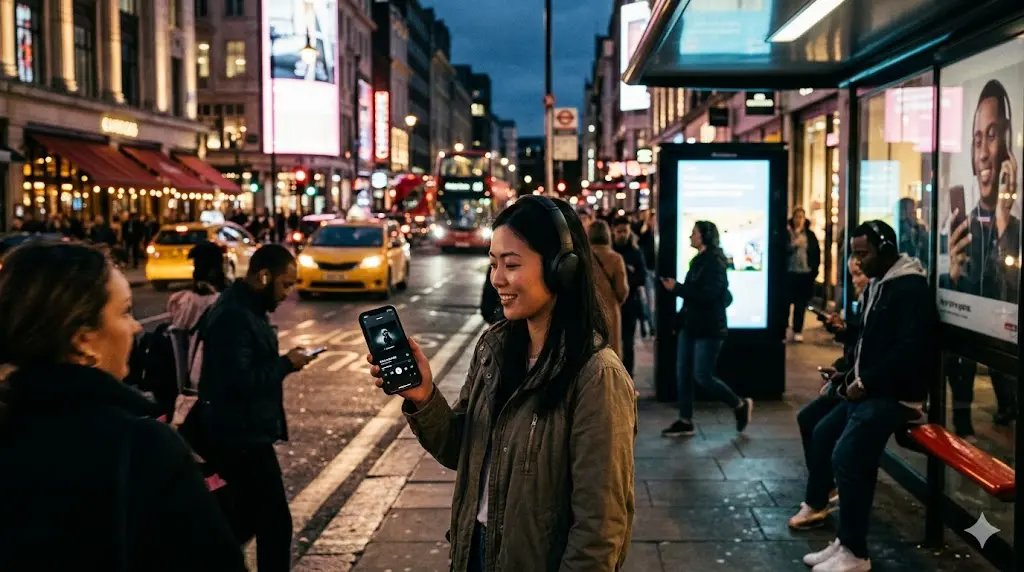
Music streaming has quietly become part of how cities grow, communicate, and shape public culture. Research findings about music streaming in urban development show that digital listening habits now influence nightlife economies, transportation patterns, tourism, and even neighborhood branding.
Cities that once relied heavily on physical music venues are now blending digital music ecosystems with public planning. That shift matters more than most people realize.
Research findings about music streaming in urban development reveal that streaming platforms influence city culture, local business growth, tourism trends, nightlife activity, and creative economies. Urban planners and cultural organizations now study music data to better understand public behavior, improve entertainment districts, and support local artists.
What Is Research Findings About Music Streaming in Urban Development?
Research findings about music streaming in urban development refer to studies, surveys, and urban analytics showing how digital music consumption affects city life, infrastructure, economic activity, and cultural identity.
A decade ago, urban development conversations focused mostly on roads, housing, and transit systems. Now? Cultural data is entering the picture too. Music streaming behavior gives researchers clues about how people socialize, travel, and spend money inside cities.
Here’s the thing most people overlook: music isn't just entertainment anymore. It acts like a digital footprint for urban culture.
Music Streaming in Urban Development: The relationship between digital music consumption and how cities evolve socially, culturally, and economically.
Researchers have noticed that neighborhoods with strong music engagement often attract more cafes, nightlife businesses, creative startups, and tourism-related investment. In many cases, streaming trends help identify emerging cultural hotspots before traditional economic reports do.
Urban music analytics also help city officials understand population movement. Evening listening spikes in certain districts can correlate with nightlife traffic and public transport demand. Sounds strange at first, but the data keeps pointing in that direction.
Why Research Findings About Music Streaming in Urban Development Matter in 2026
By 2026, cities are relying more heavily on behavioral data than ever before. Streaming behavior has become part of that conversation.
People no longer discover music only through local radio stations or concerts. They build digital identities through playlists, regional artists, and streaming communities. That cultural behavior spills into real-world urban activity.
In my experience, this is where urban planners sometimes underestimate cultural technology. They focus heavily on infrastructure while ignoring entertainment behavior that directly shapes commercial districts.
A realistic example helps explain this better.
Imagine a mid-sized city with an underperforming downtown area. Researchers notice a rapid increase in streaming activity tied to independent electronic music and local hip-hop artists. Within two years, pop-up venues, coffee shops, art spaces, and food markets begin clustering in the same district where that audience lives and gathers.
What looked like “just streaming data” actually predicted commercial growth.
Another surprising finding involves public transportation. Some transportation departments now compare nightlife streaming patterns with late-night transit usage. The overlap is stronger than many expected.
That’s the counterintuitive part. Music apps may indirectly influence transportation planning.
Expert Tip
Cities trying to attract younger professionals should pay close attention to local streaming culture. In most cases, music engagement predicts creative economy growth earlier than retail or housing reports.
How to Use Music Streaming Research in Urban Planning — Step by Step
Urban planners, local governments, and cultural organizations can actually apply streaming research in practical ways. The process isn't as complicated as people think.
1. Identify Local Listening Trends
Start by analyzing regional streaming behavior. Look for genres, artists, or playlist categories growing rapidly within specific neighborhoods.
This helps reveal cultural momentum before it becomes commercially obvious.
For example, an increase in local indie music streams may indicate rising interest in arts-oriented entertainment zones.
2. Compare Streaming Activity With Business Growth
Researchers often compare music engagement with nightlife revenue, restaurant expansion, and tourism data.
Patterns usually emerge pretty fast.
Districts with high digital music interaction often experience stronger evening economies. Bars, live venues, and creative retail businesses tend to follow audience attention.
3. Support Emerging Creative Communities
Cities that invest in local creators usually benefit economically later. Streaming data helps identify where those communities already exist.
That support might include:
Public performance spaces
Music festivals
Local recording grants
Small venue protection programs
Artist collaboration districts
Here's what most guides miss: supporting local artists isn't just cultural policy anymore. It can become economic policy too.
4. Improve Transportation and Safety Planning
Late-night streaming activity often aligns with nightlife movement.
Some cities study these patterns to improve transit schedules, lighting systems, and crowd management near entertainment areas.
It sounds oddly specific, I know. Still, the data keeps reinforcing the connection.
5. Build Stronger City Branding
Cities increasingly market themselves through cultural identity rather than traditional advertising.
Music plays a huge role in that identity.
A city known for jazz, underground electronic music, or regional folk culture attracts different audiences and tourism demographics. Streaming trends help strengthen that positioning.
Expert Tip
Urban branding works better when it feels organic. If local music culture already exists naturally, amplify it instead of forcing a manufactured identity.
Why Digital Music Ecosystems Influence Local Economies
Digital music ecosystems create ripple effects across multiple industries.
Streaming platforms don't simply distribute songs. They shape attention. Attention influences movement. Movement affects spending.
That chain reaction matters for urban economies.
Restaurants near live music hubs often experience higher nighttime traffic. Independent retail stores benefit from cultural tourism. Hotels gain visitors during music-related events and festivals.
I’ve seen smaller neighborhoods transform surprisingly fast once music communities gain online visibility. Sometimes all it takes is one breakout regional artist for people to suddenly view a district differently.
That cultural perception becomes economically valuable.
Researchers also note another trend: younger residents frequently choose neighborhoods based on lifestyle identity rather than commute convenience alone. Music culture contributes heavily to that identity.
Common Misconception About Streaming and City Growth
Streaming Only Benefits Big Cities
This assumption turns out to be wrong more often than people expect.
Smaller cities and suburban districts can benefit significantly from music streaming visibility. In fact, some regional music scenes grow faster digitally because they face less competition than major metropolitan markets.
A local artist from a smaller city might generate millions of streams globally while still influencing neighborhood businesses back home.
That’s the weirdly powerful part of streaming culture. Geography matters less online, but local economic impact still happens offline.
One hypothetical example illustrates this clearly.
Suppose a coastal town develops popularity around regional indie folk playlists. Over time, tourism blogs begin associating the area with creative culture. Visitors arrive for local events. Cafes adapt their branding. Boutique hotels appear. Suddenly, music streaming indirectly shapes urban expansion.
Not every city experiences growth this way, obviously. But the pattern appears often enough in current research to deserve attention.
Expert Tips and What Actually Works
Let me be direct. Cities chasing “viral culture” usually get it wrong.
What actually works is long-term support for authentic local creativity.
Research consistently shows that sustainable urban cultural growth comes from community participation, not forced marketing campaigns. People can usually sense when a city is pretending to have a creative identity.
Here’s my hot take: many urban redevelopment projects spend too much money on architecture and not enough on cultural ecosystems.
A beautiful district without active music culture often feels sterile after a while.
Meanwhile, modest neighborhoods with strong creative communities attract loyal audiences naturally.
What most people overlook is consistency. Cities that continuously support independent venues, affordable studio spaces, and artist collaboration opportunities tend to experience stronger long-term engagement.
Another important factor involves accessibility.
If transportation, public safety, and affordable commercial spaces disappear, music-driven urban districts often lose momentum. Streaming visibility alone won't save them.
Expert Tip
Creative districts survive longer when local governments protect small venues from excessive commercial redevelopment pressure.
The Connection Between Music Streaming and Smart Cities
Smart cities rely heavily on behavioral data.
Traditionally, that meant traffic patterns, energy usage, and public service analytics. Now cultural behavior enters the discussion too.
Music streaming provides insight into:
Population movement
Nightlife concentration
Tourism engagement
Demographic preferences
Regional cultural identity
That information helps planners make more informed decisions.
For example, cities hosting music festivals can analyze streaming spikes before and after major events. This helps estimate tourism impact and future infrastructure needs.
Some researchers also believe music data may eventually help improve public mental wellness initiatives. Certain cities already support community playlist projects tied to local events and public spaces.
Honestly, that sounded gimmicky to me at first. But after looking deeper into the research, it makes more sense than people think.
People Most Asked About Research Findings About Music Streaming in Urban Development
How does music streaming affect urban development?
Music streaming affects urban development by influencing nightlife economies, tourism trends, transportation usage, and cultural branding. Researchers use listening data to better understand how communities interact socially and commercially.
Why are cities studying streaming behavior?
Cities study streaming behavior because it provides insight into population interests, entertainment activity, and emerging cultural districts. Streaming trends can sometimes predict economic growth earlier than traditional reports.
Can smaller cities benefit from music streaming culture?
Yes. Smaller cities often gain visibility through regional artists and online music communities. That visibility can increase tourism, local business activity, and cultural investment.
Does streaming data help transportation planning?
In some cases, yes. Researchers have found connections between nightlife streaming activity and late-night public transportation demand, especially in entertainment-heavy districts.
What industries benefit most from music-driven urban growth?
Hospitality, restaurants, nightlife businesses, tourism services, retail stores, and event management industries usually benefit the most from music-centered urban activity.
Is streaming replacing live music culture?
Not really. Streaming often strengthens live music scenes by helping audiences discover artists before attending events. Digital and physical music experiences now work together more than they compete.
Why is local music culture valuable for cities?
Local music culture helps cities build identity, attract tourism, support creative economies, and strengthen community engagement. It also encourages long-term cultural investment.
Final Thoughts
Research findings about music streaming in urban development show that digital music behavior now shapes real-world cities in surprisingly practical ways. Streaming culture influences transportation systems, nightlife economies, tourism growth, local branding, and community identity.
Boost your online growth with high authority backlinks and trusted press release distribution services designed for businesses, agencies, and startups that want stronger SEO ranking and wider media coverage. Our network helps brands gain instant publishing opportunities, improve organic traffic, and maximize brand visibility through reliable PR distribution services and powerful news distribution platforms trusted by marketing professionals.