

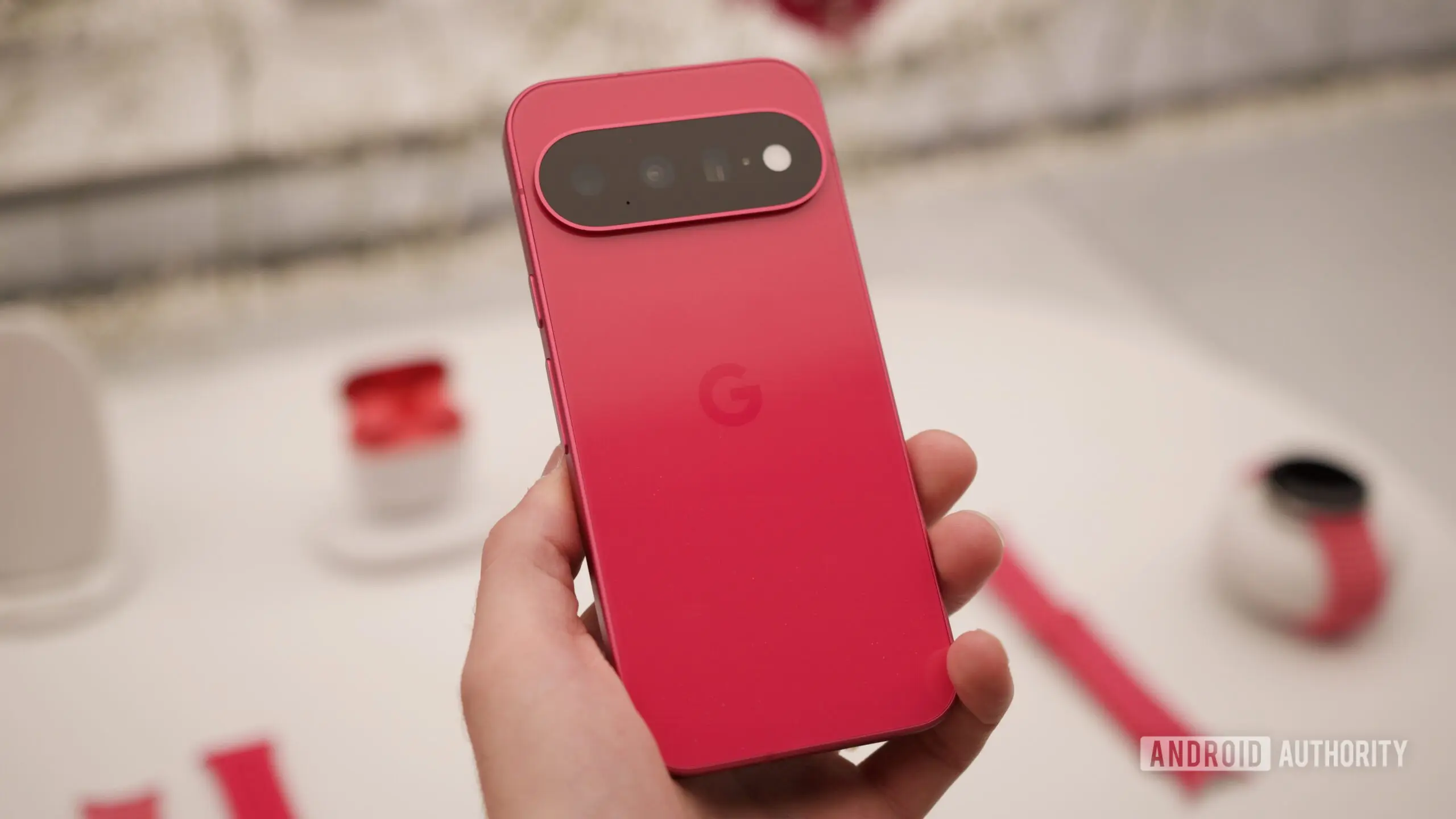
The Pixel 11 series has only been in consumers' hands for a short period, but early adopters are already reporting unexpected behavior. The latest issue to capture attention concerns the Lift to check phone gesture, which is designed to wake the display when you pick up your device. On some Pixel 11 units, the feature appears to be triggering far too easily, with screens lighting up even when the phone is left undisturbed on a table.
What Is Lift to Check Phone?
Lift to check phone is a signature Android feature that has been available on Pixel devices for several generations. It uses the accelerometer and gyroscope to detect when the phone is picked up, then wakes the lock screen so you can quickly see notifications, the time, or any other glanceable information without pressing the power button. The feature is meant to be convenient, reducing the need to physically interact with the device just to check the time or see if any important alerts have arrived.
On older Pixels, the feature has generally worked well. Users typically need to lift the phone from a flat surface or move it in a distinctive upward motion to trigger the screen. But according to multiple reports on Reddit, the Pixel 11 series is behaving differently. The threshold for triggering the gesture seems to be much lower, leading to screens waking up in situations where the phone has barely moved at all.
Pixel 11 Owners Report Unexpected Screen Wake-Ups
A Reddit user first raised the issue after noticing that their new Pixel 11 Pro was repeatedly waking while simply sitting on a table. The phone would light up every few minutes without anyone touching it, which not only drained the battery but also became a source of distraction. After experimenting with the device's wake settings, the user discovered that disabling Lift to check phone completely stopped the behavior.
That initial post quickly gathered responses from other Pixel 11 owners who had experienced similar problems. One user said that simply putting something down on the same table where the phone was resting could wake the screen. Another reported the device repeatedly lighting up while resting on the arm of a couch, moving slightly with every shift in position. A Pixel 11 Pro XL owner also confirmed the same issue, and one commenter claimed that a sharp turn while driving was enough to wake the phone. Several users who previously owned older Pixels said the feature seems noticeably more sensitive on the Pixel 11 than on their previous devices.
Vibrations and Small Movements Likely Triggering the Gesture
These reports suggest that the Lift to check phone feature on the Pixel 11 may be reacting to vibrations and other very small movements. In a typical setup, the phone's sensors are calibrated to ignore minor jitters and low-amplitude vibrations, such as those caused by a car passing by, a table being bumped, or even the phone's own notification vibrations. If the calibration is off, the sensors may interpret any slight motion as a deliberate lift, causing the screen to wake unexpectedly.
Why this might be happening on the Pixel 11 is still unclear. It could be a software issue related to the sensor fusion algorithm, which combines data from multiple sensors to determine orientation and movement. It may also be related to the specific hardware components used in the new device, or to an overly aggressive threshold set in the Android lock screen code. Given that the issue surfaced shortly after launch, it is plausible that a bug was introduced in the initial firmware and may be corrected with a future update.
Previous Reports on Older Pixels
Interestingly, this is not the first time a Lfit to check phone sensitivity problem has been reported. There is at least one report of similar over-sensitive behavior on a Pixel 9 Pro, suggesting that the issue may not be exclusive to the Pixel 11 series. However, the number of Pixel 11 owners reporting the problem in a short span of time indicates that it could be more widespread on the new models.
It's also worth noting that sensor-related quirks are common after new phone releases. Manufacturers often tweak sensor algorithms to improve battery life or adjust the feel of features like lift-to-wake, and sometimes those tweaks have unintended consequences. The fact that older Pixels had occasional reports but the Pixel 11 appears to be affected more frequently hints that Google may have changed something in the calibration parameters.
Workaround: Disable Lift to Check Phone
For now, the only reliable workaround is to disable Lift to check phone entirely. Pixel 11 owners can do this by going to the Settings app, selecting Display, then Lock screen, and toggling off the Lift to check phone option. This will stop the screen from waking automatically when the phone is moved, but it also means giving up the convenience of glanceable notifications without pressing the power button.
Some users may be reluctant to take this step, especially if they rely on the feature throughout the day. Others may find that toggling the feature off and back on again temporarily restores normal behavior, though that is not a confirmed fix and might not last. As a stopgap measure, disabling the feature is the best way to prevent unexpected wake-ups and the associated battery drain.
What Could Google Do to Fix the Problem?
Google has not yet publicly commented on the matter, but the company is likely aware of the reports. If the issue is indeed a software calibration bug, a future Android update could adjust the sensitivity threshold or improve the sensor fusion logic. Such an update would probably arrive as part of the monthly Pixel security patch or as a separate system update, depending on the urgency.
In the meantime, affected users can submit bug reports through the Android beta feedback channels or the Google Pixel support community. Detailed reports with timestamps, screen recordings, and sensor data could help Google engineers identify the root cause more quickly. Some Reddit commenters have also speculated that the issue could be fixed by a simple server-side change if the feature relies on an on-device machine learning model, but there is no official confirmation of that approach.
Broader Implications for Pixel 11 Owners
Unexpected screen wake-ups are more than just a minor annoyance. They can reduce battery life, cause accidental touches when the phone is in a bag or pocket, and even lead to unintended interactions with apps or emergency services. If the screen turns on repeatedly throughout the day, the battery drain could be significant, especially for users who already have demanding schedules.
The problem also raises questions about the overall quality of the Pixel 11 sensor suite and the software that drives it. Google has long positioned the Pixel series as a showcase for smart, context-aware features, and Lift to check phone is one of the many gestures that contribute to that experience. A bug like this undermines the polish that Pixel users have come to expect.
How to Maximize Battery Life While Waiting for a Fix
For Pixel 11 owners who decide to keep the feature enabled despite the issue, there are a few other settings worth checking. Reducing the screen timeout, enabling adaptive brightness, and turning off Always On Display can all help mitigate the battery impact of unexpected wake-ups. Using a protective case that prevents the phone from lying completely flat on surfaces may also reduce the number of false triggers, though this is not a reliable solution.
Another option is to use the bed-time mode or do-not-disturb schedule to limit screen wake-ups during specific hours. This won't stop the problem during the day, but it can reduce the distraction while you're sleeping. For those who want to keep the feature active, keeping the phone in a position with minimal movement, such as face-down on a table, may also help, though that defeats the purpose of glanceable notifications.
The Community Response and Potential Timeline
The Reddit thread has drawn a range of responses, from users sharing tips to others expressing frustration. Some commenters note that the feature has always been a bit tricky to calibrate, and that a few false positives are acceptable trade-offs for the convenience. Others say that the issue is severe enough to warrant a quick fix from Google, and that the company should prioritize it in the next update.
Historically, Google has been responsive to Pixel-specific bugs reported in public forums. In past years, issues like screen flickering, camera sound glitches, and Bluetooth problems were addressed within weeks of receiving community feedback. It is reasonable to expect that a similar fix for Lift to check phone sensitivity could arrive in the coming weeks, assuming the team can isolate the cause.
Until then, affected users have a few choices: live with the false wake-ups, disable the feature, or wait for an update. Given the early stage of the Pixel 11's lifecycle, there is a good chance that Google will issue an official response soon. The company has not yet provided a statement to the press, but as with most product launches, early adopters often serve as the first line of quality control, and their feedback can lead to rapid improvements.
As the story develops, it will be interesting to see whether Google addresses the issue directly or simply rolls out a quiet fix in the next software update. For now, the Pixel 11 remains a powerful and feature-rich device, and this particular quirk does not appear to be a hardware defect. It is more likely a tuning issue that can be corrected over time, allowing owners to enjoy the full benefits of Lift to check phone once again.
Source: Android Authority News