

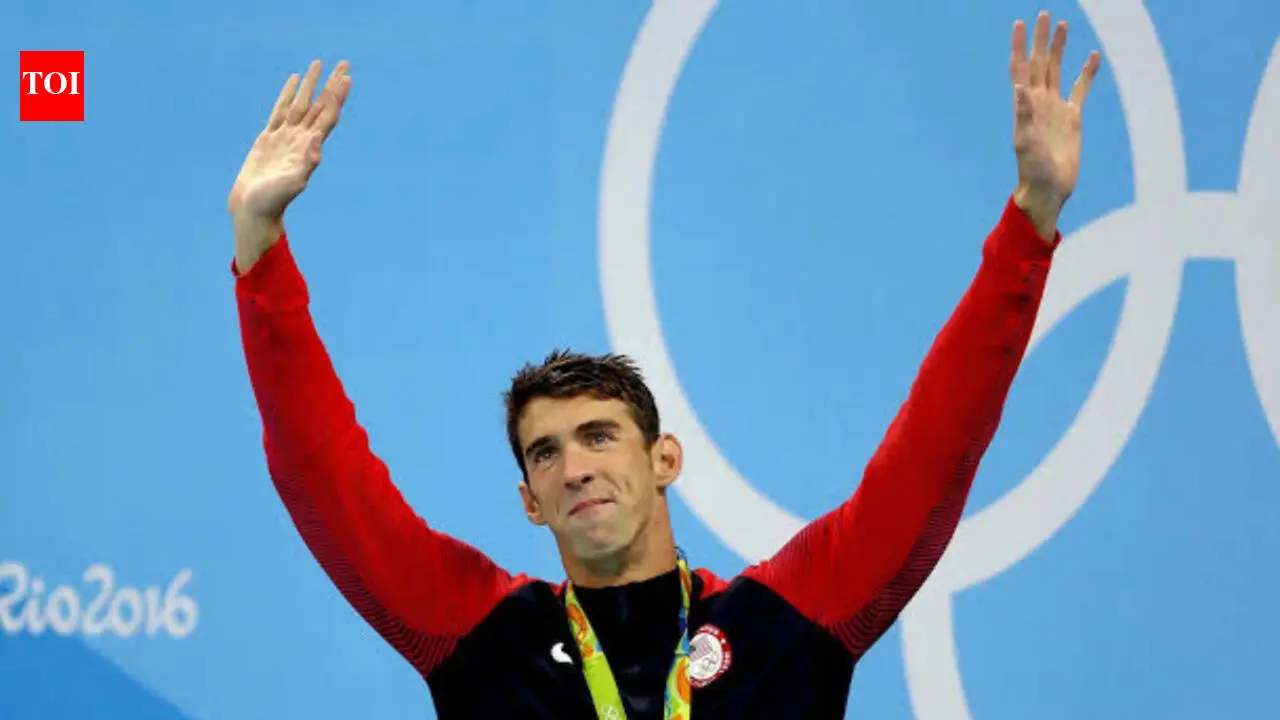
Michael Phelps, the 41-year-old swimmer who holds the record for the most Olympic medals ever won, has always been known for his unparalleled dominance in the pool. With 23 gold medals and a total of 28 Olympic medals, he is a living legend. However, behind the scenes of his glittering career, Phelps faced a constant battle with his mental health that threatened to overshadow his athletic achievements.
The Weight of Greatness
In a recent mental health conference, Phelps revealed a side of his life that few saw. He admitted, "I didn't want to be in the sport anymore. I didn't want to be alive anymore. After every Olympics I think I fell into a major state of depression." These words underscore the isolation and despair that often accompany extreme success, even at the highest level of sport.
Phelps noted that his mental health struggles began early in his career but worsened after each Olympic Games. The intense pressure to perform, the constant scrutiny, and the sheer physical demands took a toll on his emotional well-being. He described feeling an insatiable hunger for more medals and records, but this drive also concealed a growing emptiness inside.
A Childhood Fueled by Energy and Focus
Michael Phelps was born in Baltimore, Maryland, and was diagnosed with attention deficit hyperactivity disorder (ADHD) as a child. Swimming became an outlet for his boundless energy. By age 15, he was already competing in the 2000 Sydney Olympics, becoming the youngest American male swimmer at the Olympics in 68 years. His early success only accelerated the expectations placed on him.
His coach, Bob Bowman, recognized Phelps' extraordinary talent but also saw signs of emotional fragility. Phelps often used swimming as a way to escape from stress, yet the very thing that brought him glory also became a source of anxiety. The 2004 Athens Olympics saw him win six gold medals, but the aftermath left him feeling empty. He later told reporters that the post-Olympic blues were a recurring pattern.
After Every Olympics: A Pattern of Depression
The 2008 Beijing Olympics were historic: Phelps won eight gold medals, breaking Mark Spitz's record. The world celebrated his achievement, but privately, Phelps struggled. He described his mental state as "a black hole" that consumed him after the Games. At a conference, he said, "I was very good at compartmentalizing things and stuffing away things that I didn't want to talk about, I didn't want to deal with, I didn't want to bring up."
This pattern repeated after the 2012 London Olympics, where he won four gold and two silver medals. Despite his visible success, Phelps felt increasingly isolated. He admitted that during this period, he contemplated suicide. "You do contemplate suicide," he said, highlighting the severity of his struggle. For years, he managed to push through by focusing on training and competition, but the emotional burden grew heavier.
Breaking Point and Seeking Help
In 2014, after a DUI arrest and a brief stint in rehab, Phelps realized he needed professional help. He entered a treatment program where he confronted his depression and learned coping strategies. "I remember going to treatment my very first day, I was shaking, shaking because I was nervous about the change that was coming up. I needed to figure out what was going on," he said.
Therapy helped him understand that his relentless pursuit of perfection was both a strength and a weakness. He learned to talk about his feelings rather than suppress them. "Those moments and those feelings and those emotions for me are light years better than winning the Olympic gold medal. I am extremely thankful that I did not take my life," Phelps reflected.
The Rio Comeback and Legacy
After a brief retirement, Phelps returned for the 2016 Rio Olympics, winning five more gold medals. This comeback was driven not just by competitive fire but by a newfound sense of purpose. He became an advocate for mental health awareness, using his platform to speak openly about his own experiences. He partnered with organizations like Talkspace and the Child Mind Institute to reduce stigma.
Phelps also focused on his family. He and his wife Nicole have three sons, and he often credits fatherhood with helping him find balance. His public vulnerability has inspired countless athletes and ordinary people to seek help for their mental health challenges.
Beyond the Medals: A New Chapter
Today, Michael Phelps continues to be a vocal advocate for mental health. He frequently speaks at conferences and interviews, sharing his story without shame. He believes that addressing mental health is as important as physical training for athletes. His message resonates especially in sports culture, where toughness is often equated with silence.
Phelps' journey also highlights the importance of early intervention. He has said that if he had sought help sooner, he might have avoided years of suffering. His story is a powerful reminder that even the most accomplished individuals can face invisible battles.
The Broader Impact on Sports and Society
The conversation around mental health in sports has grown significantly in recent years, with athletes like Simone Biles, Naomi Osaka, and Kevin Love sharing their vulnerabilities. Phelps helped pave the way for this openness. By admitting his own suicidal thoughts, he gave permission for others to do the same. The stigma that once prevented athletes from speaking out is slowly eroding, thanks in large part to his courage.
In addition to his advocacy, Phelps has remained involved in swimming as a mentor and commentator. He also launched the Michael Phelps Foundation, which focuses on water safety and healthy living. His legacy extends far beyond his Olympic medals, encompassing his role as a mental health champion.
Understanding the Toll of Elite Competition
The pressure of elite competition is immense. Athletes are trained to be mentally tough, but that toughness can lead to emotional suppression. Phelps' experience shows that the same traits that drive success—perfectionism, dedication, resilience—can also feed depression when not balanced with self-care. Studies have shown that Olympic athletes often experience post-Olympic depression, a phenomenon characterized by a letdown after the intense high of competition. Phelps' firsthand account brings this issue to the forefront.
He also noted that his depression didn't discriminate—it hit even when he was winning. This underscores that mental health struggles are not solely tied to failure. Success can sometimes amplify the pressure to maintain an image of invincibility, making it harder to ask for help.
A Call for Change in Sports Culture
Phelps has been a strong advocate for integrating mental health resources into sports organizations. He has called for mandatory mental health training for coaches and athletes. At the 2020 Tokyo Olympics (held in 2021), the International Olympic Committee expanded mental health support for athletes, partly in response to voices like Phelps'. The need is clear: athletes should not have to choose between their mental health and their careers.
His story also resonates with the general public. Many people struggle with depression while maintaining successful careers. Phelps' ability to achieve greatness despite his internal battles challenges the notion that mental illness is a barrier to success. Instead, it shows that with proper support, it is possible to thrive.
Never Giving Up
In his own words, Phelps said, "I was always hungry, hungry, and I wanted more. I wanted to push myself really to see what my max was." That drive took him to the pinnacle of sport, but it also led him to the brink. Today, he defines his success not by medals but by his ability to be honest and to help others. His message is one of hope: no matter how dark the moment, reaching out for help can change everything.
Michael Phelps' story continues to inspire billions across the world. He refused to give up on himself, and in doing so, he gave countless others the strength to keep going. His legacy is not just about 28 Olympic medals but about the courage to confront one's own demons and emerge stronger.
Source: The Times of India News