

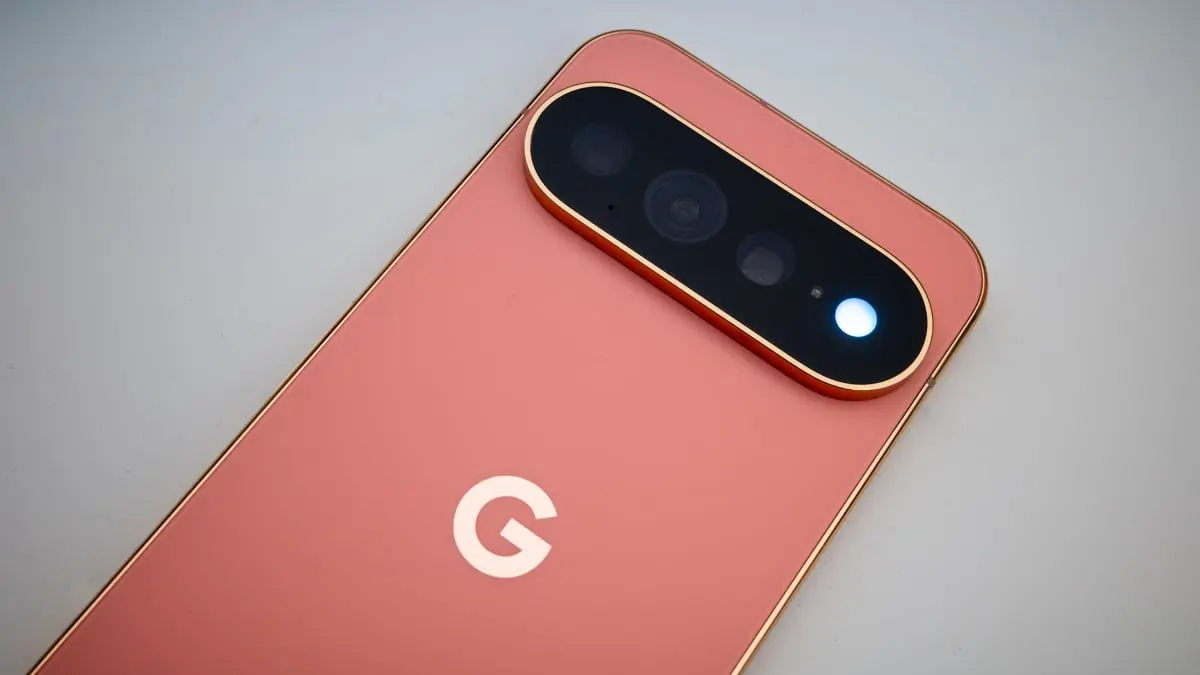
Google has officially announced the Pixel 11 Pro at its Made by Google event, introducing a refined design, a new processor, and an eye-catching hardware feature called HiLight. The device arrives as the latest addition to Google's flagship lineup, building on last year's Pixel 10 Pro with several key upgrades that go beyond the usual annual refresh.
The Pixel 11 Pro starts at $1,099, which is $100 more than the Pixel 10 Pro's launch price. However, Google points out that the base model now comes with 256GB of storage instead of 128GB, so buyers are getting more capacity for their money. The 10 Pro's $999 tier offered only 128GB, and that option has been removed entirely from the 11 Pro lineup. This pricing adjustment brings the Pixel 11 Pro in line with other premium Android flagships, while the increased base storage helps justify the higher entry point.
Design and colors
Google continues with the polished metal and glass construction that characterized the Pixel 10 series. The Pixel 11 Pro is available in four colors: Canyon, Obsidian, Fog, and Olive. The Canyon hue offers a warm, earthy tone, while Obsidian remains the classic black option. Fog is a soft gray, and Olive adds a subtle green tint. The camera bar, a signature Pixel design element, remains prominent on the back and now houses the new HiLight component.
Display and brightness
The Pixel 11 Pro sports a 6.3-inch display with a resolution of 1280x2856 and a refresh rate that scales from 1Hz to 120Hz. This LTPO-style panel allows the screen to dynamically adjust its refresh rate, saving battery life when the content is static and ramping up to 120Hz for smooth scrolling and gaming. Google has also increased the peak brightness from 3,300 nits on the Pixel 10 Pro to 3,600 nits on the 11 Pro. While the difference in number seems modest, it should make the phone more legible under direct sunlight and help HDR content look more punchy.
Performance and processor
Under the hood, the Pixel 11 Pro is powered by the Google Tensor G6 processor. This is Google's latest custom chip, designed to handle both everyday tasks and demanding machine learning workloads. Tensor processors have always prioritized AI and on-device intelligence over raw benchmark scores, and the G6 continues that trend. The new chip enables features like Magic Capture, which uses computational photography to select the best frames from a video and transform them into high-quality still images. It can automatically crop, sharpen, and unblur the chosen frame, making it easier to capture spontaneous moments without having to snap a separate photo.
The Tensor G6 also improves overall system performance and power efficiency. Google has been working on making its processors more efficient each year, and the G6 is expected to deliver better battery life and sustained performance during extended gaming or camera use. It also supports enhanced on-device AI features, including voice recognition, translation, and the increasingly capable Gemini assistant.
Storage and memory configurations
The Pixel 11 Pro comes in three storage tiers: 256GB, 512GB, and 1TB. As noted, the 128GB option is gone, which should be welcome news for users who found the base model too cramped. RAM is also a bit different this year. The 256GB variant is paired with 12GB of RAM, while the 512GB and 1TB models jump to 16GB. This marks a change from previous Pixel Pro devices, which all featured 16GB irrespective of storage tier. The new arrangement means users who opt for the entry-level model may see slightly less background app retention, but 12GB is still ample for most flagship use cases.
Battery and charging
Google has equipped the Pixel 11 Pro with a 4,850mAh battery, a modest increase over the Pixel 10 Pro's cell. Combined with the efficiency gains from the Tensor G6 and the adaptive refresh rate display, the phone should comfortably last a full day on a single charge. Charging speeds haven't been the focus of Google's announcements, but the device is expected to support fast wired and wireless charging, with wireless charging being a hallmark of the Pixel Pro series.
Camera system
The Pixel line is famous for its photography, and the 11 Pro brings a familiar yet refined camera setup. The rear system includes a 50MP wide camera, a 48MP ultra-wide camera, and a 48MP telephoto camera with 5x optical zoom. This mirrors the Pixel 10 Pro's hardware, but Google's expertise lies in software processing. The Tensor G6 enables even better computational photography, with improved HDR, low-light performance, and portrait edge detection. The front camera has been upgraded to a 42MP sensor, which should deliver sharper selfies and better video calls.
One of the standout new camera features is Magic Capture. While the full details are still emerging, the feature appears to use video frames to generate still images. When you record a video, Magic Capture scans for the sharpest and most visually pleasing frames, then processes them to look like dedicated photos. This could be a game-changer for parents trying to photograph active children or pet owners chasing a moving animal. The AI handles cropping and unblurring automatically, so you don't need to do any manual editing.
Introducing HiLight
Perhaps the most surprising addition to the Pixel 11 Pro is HiLight, a small multicolored light embedded within the camera bar. This feature, previously rumored as Pixel Glow, is a thin LED strip that can light up in various colors depending on the situation. It is available on the Pixel 11 Pro and Pixel Fold devices, but not on the base Pixel 11 model.
When your phone is face down, HiLight can notify you of important events. For example, the light will glow when a contact is calling, and you can assign custom colors to specific people in your contacts. If you set your partner's color to red and your best friend's color to blue, a quick glance at the phone's back tells you who is trying to reach you without flipping it over. HiLight can also illuminate when Gemini is being used, serving as a visual indicator that the AI assistant is listening or processing a request.
The implementation is reminiscent of the notification LEDs found on older Android phones, but HiLight is more modern and integrated. It uses the camera bar as a canvas, creating a subtle glow rather than a blinking dot. Google is also opening up customization, allowing users to decide which contacts trigger which colors. While it may not be a utility for everyone, it adds a layer of personalization and practical functionality that many phones have abandoned.
Context and competition
The Pixel 11 Pro enters a highly competitive market. Apple's iPhone Pro models continue to dominate the premium segment, while Samsung's Galaxy S Ultra series offers powerful cameras and integrated S Pen support. Google's Pixel phones have carved out a niche with their clean software, guaranteed updates, and exceptional computational photography. The addition of HiLight gives the 11 Pro a unique hardware differentiator that no other flagship has, at least for now.
Google's Made by Google event also highlighted the broader ecosystem, including the Pixel Fold and other devices. The company is clearly thinking about how hardware and software can work together, and HiLight is an example of that philosophy. It's a small feature, but it shows that Google is willing to experiment with new form factors and notification methods.
Carriers have already started offering promotions for the Pixel 11 Pro. T-Mobile, for instance, is giving away the device to qualifying customers, which could help boost adoption. Pre-orders are expected to open soon, and the phone will ship to retail channels in the coming weeks.
As with any flagship, the true test will be real-world usage. The Tensor G6's performance, the improved brightness, and the practicality of HiLight will all be evaluated in full reviews. Google has made some bold choices with the Pixel 11 Pro, including the higher starting price and the removal of the 128GB tier. Whether these changes resonate with consumers remains to be seen, but the initial impression is a phone that offers meaningful upgrades in several areas, plus a dash of novelty that sets it apart in a sea of iterative releases.
Source: Mashable News