

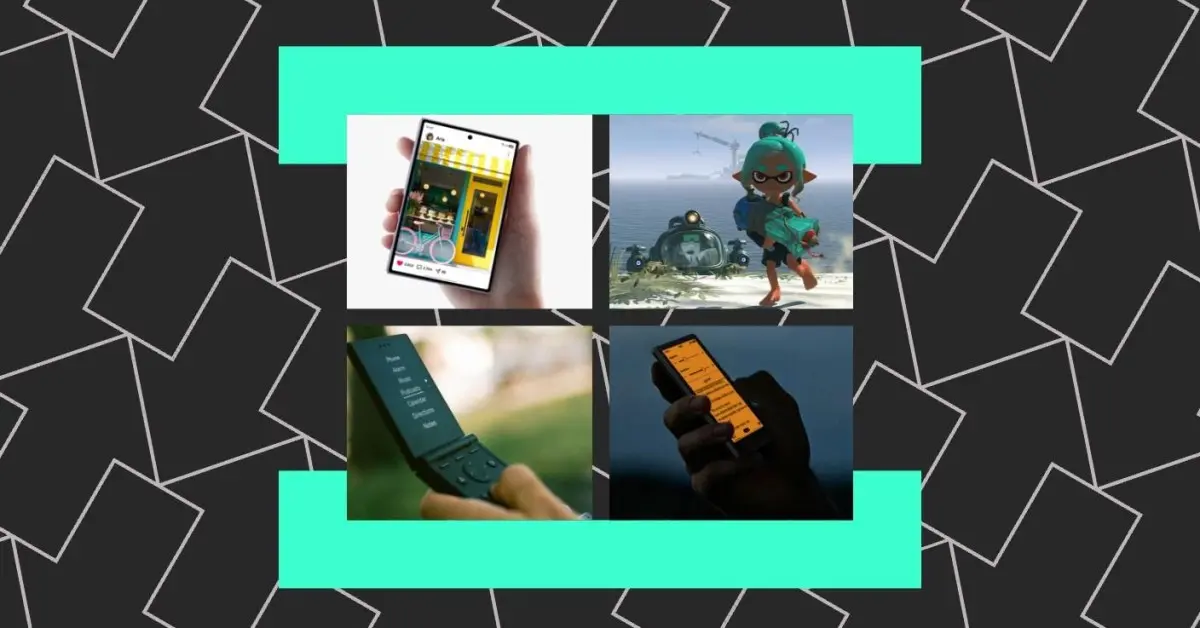
For years, folding phones were a curiosity—expensive, fragile, and often gimmicky. But the tide has turned. In the past few weeks alone, two new devices have made a compelling case that folding and flipping phones are not just viable, but genuinely good. Samsung's Galaxy Z Fold 8 and the newly announced Light Flip represent very different philosophies, yet both point to a maturing category that finally understands what users want.
The Samsung Galaxy Z Fold 8 is the company's latest attempt to perfect the large-screen foldable. After years of tall, narrow front screens, Samsung has finally widened the outer display, making it feel like a normal phone when closed. Early reviews praise the new aspect ratio, which eliminates the need to constantly unfold just to type a message. The inner folding screen remains a spacious 7.6-inch canvas, ideal for multitasking, reading, or watching video. Samsung has also improved the hinge mechanism, reducing the visible crease and making the device feel more solid. At over $1,800, it's still a luxury item, but the usability gains are undeniable.
On the flip side (literally), the Light Flip is a minimalist's dream. Announced this week, it's a $299 flip phone designed not to replace your smartphone entirely, but to give you an escape from it. It features a sleek black or white clamshell design, with a small monochrome display and just the essentials: calls, texts, directions, music, and an alarm. There's no camera, no app store, no web browser. It runs on Light's custom operating system, which is intentionally dumb. The idea is to leave your main phone at home when you go for a walk or meet friends, and still stay reachable. The Light Flip is expected to ship early next year, and the CEO, Kai Tang, has already shared his own homescreen—a minimalist list of tools like Phone, Weather, Directions, and a custom "Language" tool created with Kendrick Lamar's pgLang.
These two devices represent opposite ends of the foldable spectrum: one is a powerful, expensive productivity machine, the other a cheap, limited connectivity device. Yet both succeed because they solve a real problem. The Galaxy Z Fold 8 addresses the years-long complaint that foldables were awkward to use closed. The Light Flip addresses the growing desire to disconnect without going completely off-grid. Together, they show that the technology has matured enough to offer genuine value.
But how did we get here? The history of foldable phones dates back to 2019 with the original Galaxy Fold, which launched with a disastrous crease and debris issues. Since then, Samsung has iterated relentlessly, while other manufacturers like Huawei, Motorola, and Oppo have entered the fray. The Motorola Razr reboot brought back the flip form factor with a nostalgic twist, and Google's Pixel Fold offered a wider, more tablet-like experience. The market has seen steady growth, with global foldable shipments expected to reach 30 million units by 2026, up from about 10 million in 2023. Price remains a barrier, but competition is driving costs down. Samsung's new Galaxy Z Fold 8, for instance, is slightly cheaper than its predecessor, and the Light Flip at $299 is a fraction of that.
Beyond the two headline devices, the article also mentions a host of other products that complement this theme. The Xteink X4 Pro is a tiny e-reader with a built-in light, perfect for reading on the go without pulling out a large phone. Tagline is a new word game from Merriam-Webster that challenges players to solve three puzzles using the same seven letters—a great brain teaser. And the Peak Design Field Bracket is a clever camera accessory that supports vertical shooting and Find My compatibility, appealing to photographers who want to travel light. These items, along with recommendations for shows, games, and apps, paint a picture of a tech ecosystem that is increasingly about intentionality and ease of use.
The smartphone industry has been in a period of incremental upgrades for years, with each new model offering slightly better cameras, faster processors, and slightly larger screens. Foldables offer a genuine leap in form factor, but only if they get the details right. The Galaxy Z Fold 8 and Light Flip suggest that Samsung and Light have listened to feedback. The former has abandoned the narrow screen that frustrated many early adopters. The latter has embraced simplicity that many crave. It's a sign that foldable phones are no longer just prototypes or status symbols—they are becoming practical tools.
Of course, challenges remain. Durability is still a concern, especially for the folding screens, even though Samsung claims to have reinforced the ultra-thin glass and hinge. Battery life on foldables tends to be lower than traditional phones due to the larger displays. And software optimization for multitasking on folding screens is still a work in progress, though Android 15 and One UI 6 continue to improve. The Light Flip, on the other hand, faces a different problem: it's so limited that some users may find it frustrating. It lacks a camera, which is a dealbreaker for many. But for those who want a digital detox device, it's a near-perfect solution.
The wider context is that 2026 is shaping up to be a pivotal year for phone design. Not only are foldables improving, but companies are also experimenting with dual-screen phones, rollable displays, and even transparent screens. The era of the slab phone may be ending. Consumers are increasingly looking for devices that adapt to their lifestyle, rather than forcing them to adapt to the device. The Galaxy Z Fold 8 aims to replace a phone and a tablet in one pocket. The Light Flip aims to replace your phone for a few hours with something that encourages mindfulness. Both are valid answers to the same question: what should a phone be?
In the meantime, the newsletter also highlights a range of crowd-sourced recommendations, from the sci-fi show The Boroughs to the game Unrailed and the camera app Candela Camera. These reflect a community that is actively exploring new ways to use technology—not just consuming content, but curating their digital lives. The folding and flipping phones at the center of this week's edition exemplify that ethos: they are tools that let you choose your level of engagement.
As the industry moves forward, expect more devices that blur the line between phone and tablet, or between phone and companion device. The Light Flip may be a niche product, but it signals a trend toward more specialized hardware. And the Galaxy Z Fold 8 proves that a mainstream foldable can be polished and practical. The days of treating foldables as experimental curiosities are behind us. They are getting seriously good.
Source: The Verge News