

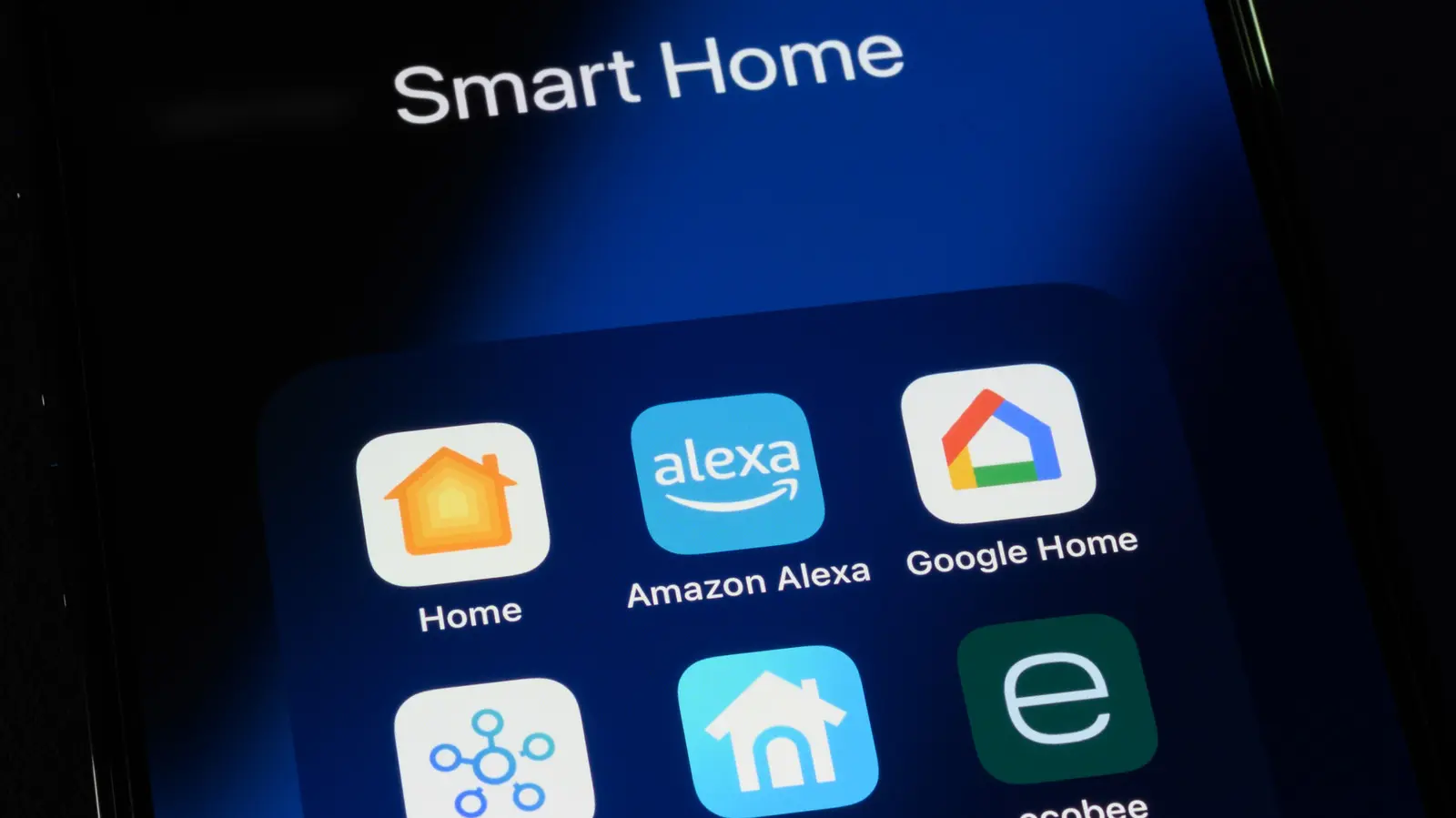
If you are looking for a smart home platform to control all your connected devices, Google Home may seem like an obvious choice. The brand is established and well-known, so it is natural to assume that its smart home platform would be just as dependable as its other products. However, user feedback suggests that Google Home has several notable shortcomings. Understanding these drawbacks can help you make a more informed decision before you invest in the ecosystem. While every smart home solution has trade-offs, Google Home's specific issues may be deal-breakers for certain users. From inconsistent performance to growing costs, the platform presents challenges that are worth examining closely.
Smart home automation can save time, reduce energy use, and add comfort to everyday life. Centralizing control in one app or hub makes these benefits even more appealing. But the platform you choose must work reliably and support your devices. Unfortunately, Google Home has faced criticism on multiple fronts. The following are four key downsides to consider, according to user experiences and expert evaluations.
Google Home is becoming increasingly unreliable
Complaints from current and former Google Home users reveal a pattern of frustration. Discussions on popular online communities such as the Google Home subreddit frequently highlight the app's inconsistent performance. Users report that the app may stop doing things it used to do reliably. Sometimes the problems are minor, like failing to play a radio station. In other cases, more serious issues occur. For example, Google Home might lose the ability to control smart devices that it previously managed without trouble.
A particularly concerning issue is that devices that are fully powered on and connected to the internet sometimes appear as offline in the Google Home interface. This makes it difficult to know whether a command failed because of the device or because of the app. Even when tasks do eventually work, the process can be exasperating. In the era of Google Assistant, some users found it so hard to get the platform to understand voice commands that they concluded it would have been easier to complete the tasks manually. This defeats the primary purpose of a smart home hub, which should streamline routines and reduce the need for manual effort.
Google Home has been transitioning from Google Assistant to the AI chatbot Gemini. This shift was intended to improve functionality, but so far the results have not been encouraging. Gemini has reportedly told users that it cannot perform basic functions, such as setting an alarm, despite this being a standard feature on virtually every smart assistant. The introduction of new AI technology seems to have introduced new reliability concerns rather than eliminating old ones. As of early 2026, users continue to share stories about sudden glitches and unresponsive commands. This is a crucial issue because a platform that is not reliable cannot be trusted to manage essential tasks like locking doors or turning off appliances when you are away from home.
Google Home may become increasingly expensive
The shift toward Gemini has also brought a stronger emphasis on AI-powered features. Google has introduced a subscription tier called Google Home Premium to unlock these features. While some users are happy to pay for enhanced functionality, others argue that the features behind the paywall are too basic to justify another recurring cost. For example, certain advanced automation routines, faster voice processing, or enhanced device history are being reserved for paying customers. This has led to concerns about the future direction of the platform.
It is too early to predict exactly how this subscription model will evolve, but the trend suggests that Google is moving away from a one-time purchase or free app model. Instead, users may need to pay a regular fee to get the full value out of their smart home system. For budget-conscious consumers, this is a significant consideration. Adding yet another subscription to an already crowded list of monthly expenses may not be appealing. If the idea of paying for features that used to be free bothers you, an alternative platform might be a better fit.
There is also the question of whether paying for Premium actually guarantees a better experience. Based on existing user complaints, even paying customers have encountered bugs and glitches. This means shelling out extra money does not necessarily protect you from the reliability problems described earlier. In fact, it could make the situation more frustrating, because you may be paying for a product that fails to perform as advertised. Before committing, research whether the subscription adds real value or simply unlocks features that should have been included from the start.
Google Home might not be the ideal platform for users who value privacy
When selecting a smart home platform, the privacy policy is often overlooked. Yet it deserves careful attention, especially if you are concerned about how your personal data is collected and stored. Google Home, by default, records various types of activity and stores it in the My Activity section of your Google account. This includes voice recordings that you make when issuing commands. Google says this is done to improve its products, but many users feel uneasy knowing that their words and activities are being logged automatically.
It is important to note that Google does provide options to review and delete these recordings. Users can periodically clean out their saved voice data and disable voice recording altogether. This is a positive step and it would be unfair to claim that Google gives users no control. However, the burden is on the user to remember to do this. If privacy is a high priority for you, manually deleting sensitive recordings on a regular basis can become tedious. You may prefer a platform that does not harvest your data by default, or one that gives you local storage or on-device processing options.
Beyond voice recordings, Google Home can log details about which devices you control, when you control them, and how often you use certain routines. This information can create a detailed profile of your daily habits. While this data might be used to offer personalized suggestions, it also represents a potential intrusion. For individuals who have smart door locks or security cameras, the thought of Google retaining a history of when doors are locked or unlocked could be unsettling. Consider whether you trust Google to handle this sensitive information responsibly, and review your privacy settings carefully before setting up your system.
Regional limitations and compatibility issues may limit Google Home's value to some users
Not every smart home platform works with every device, and Google Home is no exception. The platform supports a wide range of products, but there are notable gaps. If you already own smart devices that are incompatible with Google Home, you would need to replace them or use a different platform. Google does publish compatibility lists, so you can verify whether your devices are supported. But the need to check every product can be inconvenient, especially if you own gadgets from lesser-known brands whose integrations are not always up to date.
Compatibility issues also extend to software and services. Some third-party apps and smart home ecosystems are not fully integrated with Google Home. For example, certain proprietary smart home hubs may offer only limited control through Google Home, forcing you to switch between apps. This undermines the convenience of single-platform control, which is often the primary reason people choose Google Home in the first place.
There is also a significant regional limitation. While users in the United States typically have access to all of Google Home's features, the same is not true in every country. International users may find that some services are missing entirely, while others offer only a subset of the features available in the U.S. For instance, certain voice assistant capabilities, AI features, or integration with local smart home services might be unavailable. If you live outside the U.S., it is essential to research how Google Home works in your specific region before purchasing devices. What works seamlessly for one user in New York might be a frustrating experience for someone in Europe or Asia.
The combination of regional quirks and compatibility gaps means that no single platform is universally right for every person. What makes Google Home a good fit for one household may be exactly the wrong choice for another. That is why you should not only research the platform but also examine the individual smart devices you plan to use. A platform is only as good as the ecosystem it supports. Finding the right combination of devices and software is the key to creating a smart home that delivers the convenience you want, without the headaches that can arise from making the wrong choice.
Source: SlashGear News