

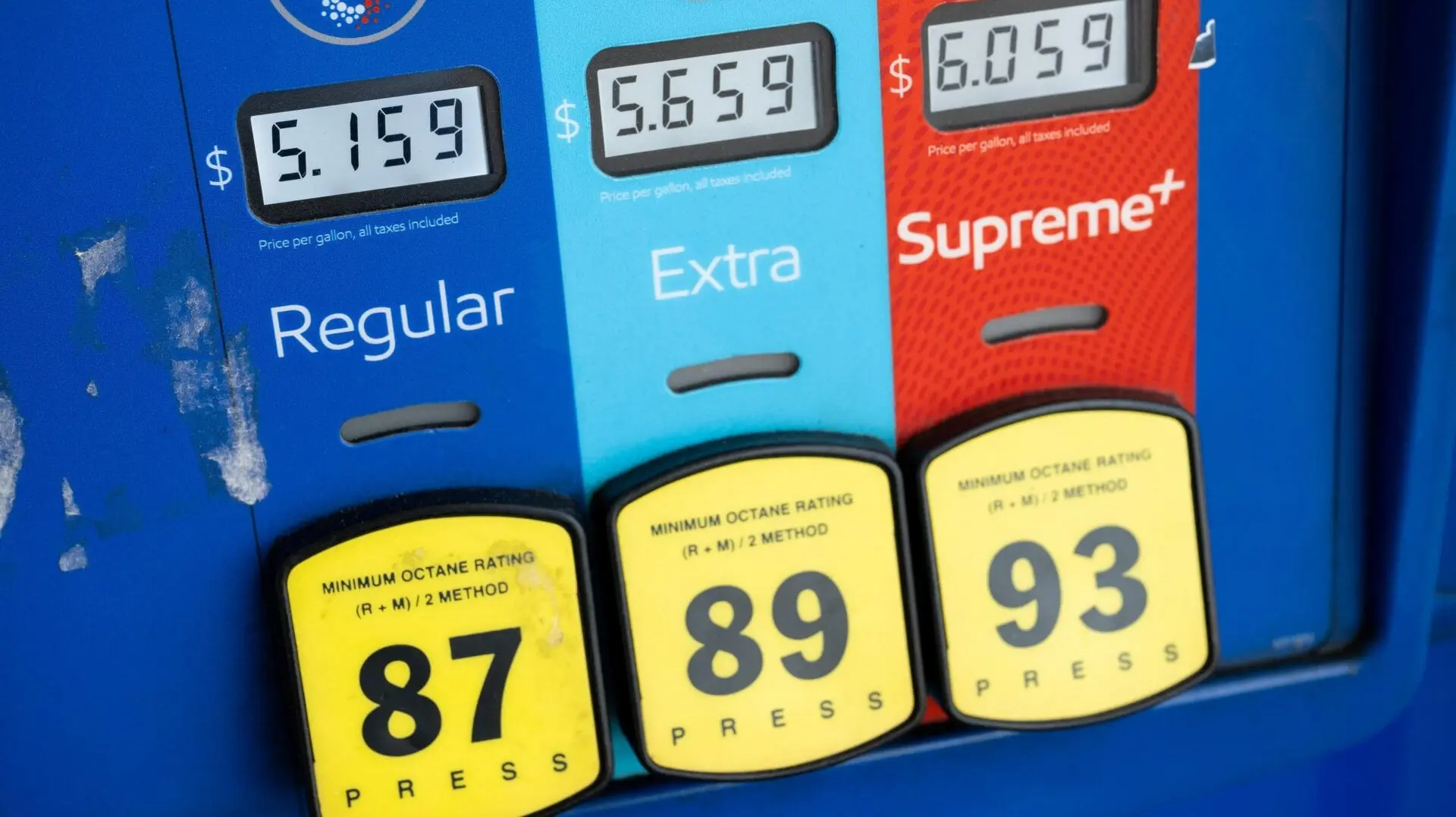
A wave of legal action is shaking the fuel industry in California as a new class action lawsuit accuses some of the largest gas station operators—including BP, 7-Eleven, Walmart, and Albertsons—of using artificial intelligence to coordinate high prices and extract more money from consumers. Filed Monday in Sacramento, the lawsuit centers on a software platform called Kalibrate, which the plaintiffs claim enables competitors to share pricing data and align their rates in real time, effectively fixing gas prices across the state.
The case, originally reported by Reuters, leverages a groundbreaking 2025 amendment to California’s primary antitrust statute, known as the Cartwright Act. That amendment, which took effect January 1, 2026, makes it illegal to “use or distribute a common pricing algorithm as part of a contract, combination in the form of a trust, or conspiracy to restrain trade or commerce.” The law defines a pricing algorithm as “any methodology, including a computer, software, or other technology, used by two or more persons, that uses competitor data to recommend, align, stabilize, set, or otherwise influence a price or commercial term.”
How the Alleged AI Price-Fixing Scheme Works
According to the complaint, Kalibrate’s platform collects and analyzes competitor pricing data from participating gas stations, then uses AI models to recommend optimal prices that maximize profit. The plaintiffs argue that this process effectively replaces independent pricing decisions with a coordinated approach, violating both California law and basic principles of free market competition. The lawsuit seeks damages for all California drivers who purchased gasoline from the defendants during the time the algorithmic system was active.
Kalibrate’s own marketing materials describe the company as having “removed the guesswork and added certainty” to business decisions for decades, and tout “market-leading AI, analytics, and modeling.” The platform is widely used by retailers across multiple industries to set prices on everything from fuel to convenience store items. But in this case, the plaintiffs say Kalibrate crossed a legal line when it enabled direct competitors to share proprietary pricing data and act on it collectively.
California’s Unique Legal Landscape
What makes this lawsuit particularly significant is that it would likely be far harder to pursue in most other U.S. states. California’s 2025 amendment is among the first in the nation to explicitly prohibit algorithmic price fixing. While federal antitrust law already prohibits collusion, the use of AI adds a layer of complexity: algorithms can achieve coordination without traditional direct communication between competitors. Courts have struggled to determine whether such “tacit collusion” falls under existing antitrust statutes. California’s new law removes that ambiguity within the state.
The amendment was championed by state Attorney General Rob Bonta, who argued that AI-driven pricing systems pose a modern threat to consumer welfare. “If a group of business executives sat in a room and agreed to raise prices, we would call that price fixing—and it would be illegal,” Bonta said in a statement when the law was signed. “The algorithm should be treated no differently when it is used to achieve the same end.” The lawsuit, filed by a group of private plaintiffs, is the first major test of that legal theory.
The Defendants Respond
Among the companies named in the suit, only Walmart has provided a public comment. A company representative issued a statement saying, “We are reviewing the complaint and will respond appropriately to the Court.” BP, 7-Eleven, Albertsons, and Kalibrate did not immediately reply to requests for comment. Gizmodo, which first reported the suit, noted that the defendants may argue that Kalibrate’s platform simply provides market data and that each retailer retains full discretion over final pricing decisions. However, the plaintiffs are likely to counter that the platform’s AI recommendations implicitly encourage uniformity and that the sharing of sensitive data itself constitutes illegal coordination.
Potential Impact on Consumers and the Industry
If the suit succeeds, it could lead to significant compensation for California drivers who paid artificially high prices at the pump. Gas prices in the state have long been among the highest in the nation, often exceeding $5 per gallon, due to a combination of taxes, environmental regulations, and market dynamics. The plaintiffs argue that algorithmic price fixing has added an extra layer of cost, keeping prices higher than they would be in a truly competitive market.
The case also has broader implications for the use of AI in retail pricing across the country. While California’s law is unique, other states and even federal lawmakers are considering similar measures. In early 2026, a bipartisan group of U.S. senators introduced the “Algorithmic Price Fixing Prevention Act,” which would extend similar prohibitions nationwide. The bill remains in committee, but the California lawsuit could provide real-world evidence of the harms the proposed federal law aims to prevent.
From a technological perspective, Kalibrate is just one of many AI pricing platforms used by retailers. Competitors include companies like Pricefx, Vendavo, and various custom machine learning solutions developed by large firms. The legal theory used in this case could open the door for lawsuits against any such platform that facilitates data sharing among direct competitors.
Historical Context: Gas Price Fixing in the United States
Allegations of price fixing in the gasoline industry are nothing new. In the early 2000s, major oil companies faced multiple class actions for allegedly colluding to limit supply and manipulate wholesale prices. More recently, state attorneys general have investigated spikes in gas prices following natural disasters, and the Federal Trade Commission has scrutinized mergers that concentrate market power. What distinguishes the current case is its focus on technology: instead of backroom deals and phone calls, the coordination is done through a dashboard and an algorithm.
Legal experts say that the success of this lawsuit will depend heavily on the specific evidence of how Kalibrate’s data was shared and used. “The law is clear that you cannot have an explicit agreement to fix prices,” said Professor Lisa Fairfax, a corporate law scholar at the University of Pennsylvania. “But the question is whether using a common algorithm constitutes an implicit agreement. The California amendment answers yes, but proving that each defendant knowingly participated in that system is a different challenge.”
The Road Ahead
The case is in its earliest stages. The plaintiffs have asked the court to certify a class of all California residents who bought gasoline from the defendants during the period covered by the suit. Discovery will likely focus on internal documents, emails, and data showing how Kalibrate’s pricing recommendations were implemented. The defendants may also argue that the amendment does not apply retroactively or that the conduct fell short of the statutory definition.
Regardless of the outcome, the lawsuit has already sparked debate about the role of AI in everyday commerce. As algorithms increasingly determine prices for everything from airline tickets to groceries, lawmakers face pressure to update antitrust laws for the digital age. California’s bold move may prove to be a model—or a cautionary tale—for other jurisdictions watching closely.
Source: Gizmodo News