

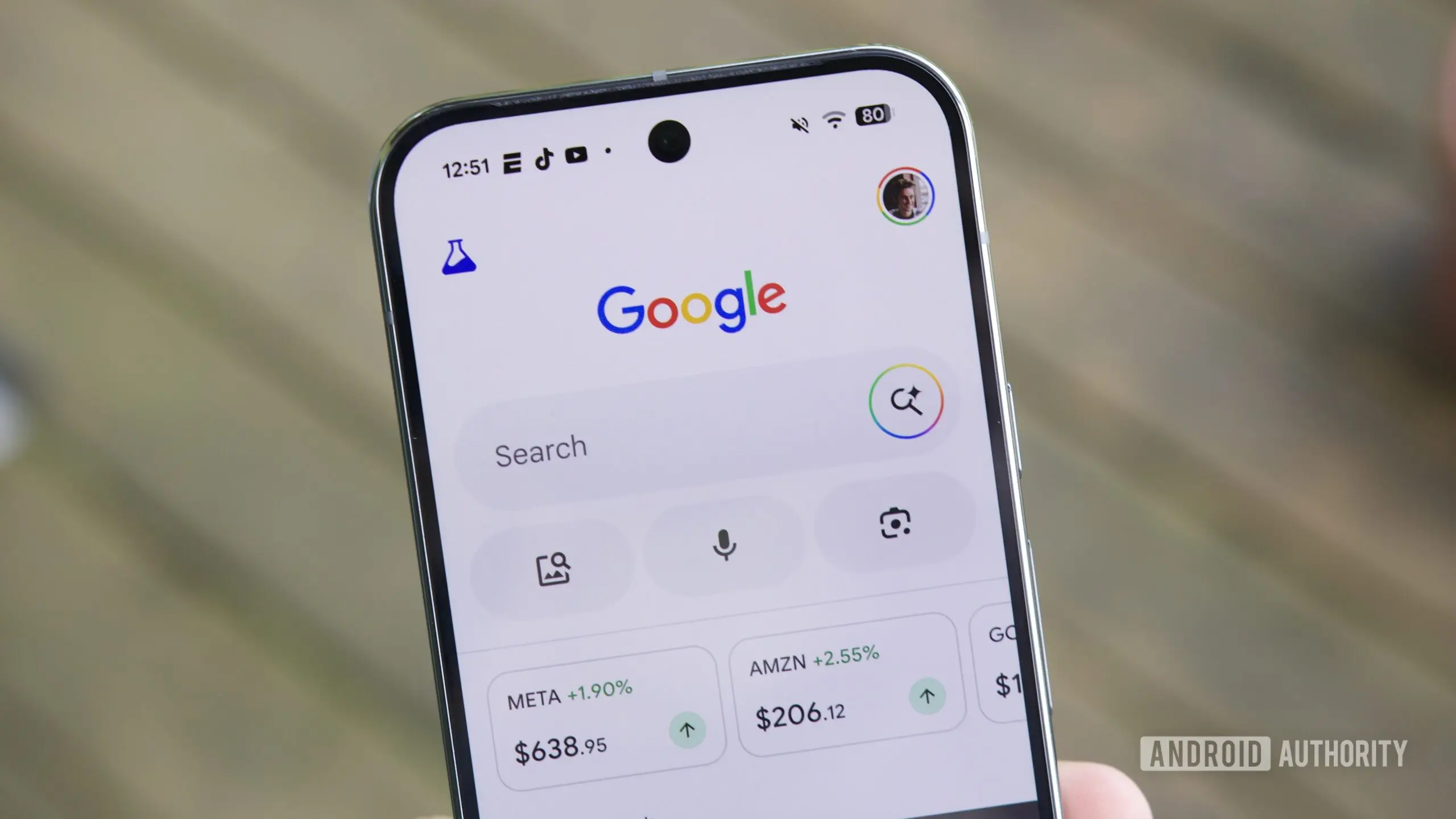
Google’s aggressive push to integrate artificial intelligence into its core search experience has taken an unexpected and ironic turn. The company’s AI Overview, a feature designed to provide conversational summaries and answers directly on the search results page, is now actively recommending competitors to users who want to escape AI-generated content. Specifically, when users type queries like “no AI” or “how to turn off AI search,” Google’s AI system has been observed suggesting DuckDuckGo’s dedicated No AI Search page. This development, first reported by DuckDuckGo itself via a screenshot posted on X (formerly Twitter), has sent ripples through the tech industry and highlights a growing disconnect between Google’s corporate strategy and the desires of a significant portion of its user base.
The Ironic Recommendation
The recommendation appears to be triggered by certain search queries that express a desire to avoid artificial intelligence in search results. DuckDuckGo’s screenshot shows Google’s AI Overview stating something to the effect of: “If you prefer to avoid AI-generated results, consider using a search engine that offers a non-AI search option, such as DuckDuckGo’s No AI Search page. You can also adjust your browser settings to reduce AI-heavy experiences.” This is a stunning admission from Google’s own AI system, which is essentially telling users to leave the platform. While Google has not officially commented on the specific instance, it aligns with broader patterns of user dissatisfaction and the search giant’s inability to offer a simple toggle to disable AI Overviews for all searches.
DuckDuckGo, a search engine that has long positioned itself as a privacy-focused alternative, quickly capitalized on the moment. The company’s No AI Search page is a stripped-down version of its search engine that explicitly blocks any AI-generated summaries, chatbots, or other machine learning features. Users who visit that page are greeted with a classic list of blue links, reminiscent of search engines from a decade ago. This experience is the polar opposite of Google’s current direction, which has been to embed AI Mode, AI Overviews, and other generative features as deep as possible into its user interface.
Background on Google’s AI Push
Google’s commitment to AI in search has been relentless since the launch of Bard (later rebranded as Gemini) and the subsequent introduction of AI Overviews at Google I/O 2025 and 2026. The company views AI as the next evolution of how people find information, moving from a list of links to a conversational assistant that answers questions, summarizes content, and provides context. At Google I/O 2026, the company announced an expanded AI Mode for Chrome and the Google app, allowing users to ask complex questions and receive multi-step reasoning answers. The goal is to keep users within Google’s ecosystem longer, reducing the need to click out to external websites, which in turn threatens the ad revenue models of publishers but strengthens Google’s own data collection and ad targeting capabilities.
However, this strategy has been polarizing. Many users appreciate the convenience of getting a quick answer without reading multiple web pages. Others find AI Overviews intrusive, inaccurate, or simply unnecessary. A significant portion of the user base prefers the traditional ten blue links format, as it allows them to choose which sources to visit and gives them more control over the search experience. Google has made several attempts to address this feedback, such as adding a “web” filter that shows only text-based results, but it has consistently refused to offer a permanent, system-wide switch to disable AI Overviews entirely. This decision has frustrated many power users and even some casual searchers.
The DuckDuckGo Alternative
DuckDuckGo has been a vocal critic of Google’s AI integration. The company has positioned itself as a champion of user choice and privacy. Its No AI Search page is just one component of a broader strategy that includes its own AI features—such as Search Assist and Duck.ai—but with an important difference: users can easily turn those features on or off. DuckDuckGo’s philosophy is that AI should be opt-in, not opt-out. This approach contrasts sharply with Google’s, where AI Overviews are now the default for many queries and there is no global toggle to disable them.
The recent surge in DuckDuckGo’s popularity is evidence that this message resonates. According to data shared with TechCrunch, DuckDuckGo’s US app installs jumped by an average of 18.1% week over week immediately following Google’s major AI announcements. On one peak day, the increase exceeded 30%. iPhone installs saw an even larger spike, suggesting that mobile users, who are often less inclined to tinker with search settings, are seeking out alternatives in frustration. This trend is not just a blip; it reflects a sustained demand for search experiences that prioritize privacy, simplicity, and user control over AI-driven personalization.
User Reactions and Market Dynamics
The ironic recommendation from Google’s own AI has been met with amusement and criticism across social media. Many users see it as a sign that Google’s AI, while advanced, is not aligned with the company’s business goals. Others argue that it demonstrates the AI’s neutrality—it is simply providing the most relevant answer based on the user’s query, even if that answer undermines Google’s own interests. However, this interpretation is problematic because it exposes a fundamental flaw in the design: AI Overviews are supposed to keep users engaged with Google, not send them away. The incident also raises questions about how Google’s AI handles edge cases and whether the company can effectively control its own systems.
From a market perspective, Google’s search dominance is still unshaken. It commands over 90% of the global search market. But the psychology of user behavior is shifting. A growing minority of users are actively seeking alternatives, and incidents like this one accelerate that trend. DuckDuckGo may not be poised to dethrone Google, but it is carving out a loyal niche. Other smaller search engines, such as Brave Search, also offer AI-free options and have seen similar upticks in interest. The collective impact is that Google is facing a perception problem: it no longer feels like a neutral gateway to the web but rather a platform that imposes a specific interaction model on users.
Technical and Ethical Considerations
The recommendation of a competitor by Google’s AI also raises technical questions. How did the AI learn to suggest DuckDuckGo? One possibility is that the training data included discussions and articles about alternatives to Google’s AI search, allowing the model to generate that response. Another possibility is that Google’s own engineers implemented a sort of “safety” feature to handle queries about disabling AI, but without fully thinking through the implications. Regardless of the cause, the episode highlights the challenges of aligning AI behavior with corporate strategy. As generative AI becomes more integrated into search, such unintended consequences may become more common.
There are also ethical dimensions. Some critics argue that Google’s AI is essentially gaslighting users: it knows people want to avoid AI, but the company prevents them from doing so directly. The AI’s suggestion to use DuckDuckGo could be seen as a passive-aggressive way of acknowledging the problem without solving it. Google’s silence on the matter suggests that the company is aware of the tension but is unwilling to change its AI-first course. For now, Google may view the DuckDuckGo recommendation as a minor embarrassment rather than a strategic threat. But if the trend continues, it could erode trust and accelerate user migration.
In the end, this episode serves as a powerful reminder that technology companies cannot always control how their AI systems are perceived or used. The very feature designed to enhance user experience is now driving some users to competitors. The demand for control over search experiences is not going away. DuckDuckGo has demonstrated that providing a simple, AI-free alternative can be a competitive advantage. Whether Google will eventually bow to user pressure and offer a permanent off switch for AI Overviews remains to be seen. For the moment, the search giant’s AI continues to serve up paradoxes that benefit its rivals.
Source: Android Authority News